 Clearwater Window
 Windows for a Waterfront Address
Island Estates sits differently than most Clearwater neighborhoods. It's a waterfront community surrounded by Clearwater Harbor and the Intracoastal, with the Gulf of Mexico just over the causeway. That location is part of what makes it a great place to live, but it also means the homes here take on a heavier dose of everything Pinellas County's climate can throw at a building envelope — salt-laden air, near-constant humidity, intense UV exposure, and direct exposure to hurricane-force wind and wind-driven rain when a storm tracks through the Gulf. Windows are one of the first components on a house to show that wear, and one of the most important to get right.
We've worked on homes across Clearwater and the surrounding Pinellas County coastline long enough to know that "waterfront" isn't just a selling point on a listing — it's a maintenance reality. This page covers what homeowners in Island Estates should actually know about window performance, materials, and upkeep in this specific environment, without the sales pitch.
Why Waterfront Homes Wear Out Windows Faster
Salt Air and Corrosion
Airborne salt from the harbor and Gulf settles on every exterior surface, including window frames, hardware, and screens. On aluminum-framed windows, especially older single-pane units, that salt film accelerates oxidation and pitting over time. Hardware — hinges, locks, cranks — is often the first thing to fail, because it's metal-on-metal and gets less attention during routine cleaning than the glass does. Homes closer to open water generally see this wear develop faster than homes a mile or two inland, even within the same zip code.
UV and Year-Round Sun
Florida sun is intense in every season, not just summer. UV exposure breaks down window seals, gaskets, and vinyl components over years of steady exposure, which is part of why seal failure (that foggy look between double panes) shows up earlier here than in less sun-heavy climates. It also fades interior finishes, trim, and flooring near unprotected glass.
Humidity and Condensation
Pinellas County's humidity puts real demand on a window's seal integrity and on the quality of its installation. A window that isn't flashed and sealed correctly will let moisture work into the wall cavity long before anyone notices a visible leak — which is one of the reasons installation quality matters as much as the product itself.
Hurricane and Wind-Driven Rain Protection
Clearwater and the rest of Pinellas County fall under Florida's High-Velocity Hurricane Zone building code requirements in coastal areas, and local permitting reflects that. For a waterfront community like Island Estates, wind load and impact resistance aren't optional upgrades — they're the baseline a window needs to meet to perform when it matters.
Two separate things protect a home during a storm: the window's ability to resist wind pressure without failing structurally, and its ability to resist impact from wind-borne debris. Impact-rated windows use laminated glass that holds together even if the outer pane cracks, which keeps the opening sealed and keeps wind and rain from getting inside and pressurizing the house. That's a meaningfully different level of protection than a standard window with plywood or shutters as a backup plan, since shutters only work if someone is home and has time to install them before a storm arrives.
We size and spec windows to the wind zone and exposure category for the specific property, not a one-size-fits-all standard, because a waterfront lot in Island Estates carries a different wind load calculation than a home set back further inland.
Choosing the Right Window for a Coastal Pinellas County Home
There's no single "best" window for every house — it depends on budget, how exposed the elevation is, and how long the homeowner plans to stay in the property. Here's how the common options generally compare for a waterfront setting like Island Estates:
| Window Type | Wind/Impact Performance | Salt Air Durability | Typical Trade-Off |
|---|---|---|---|
| Standard vinyl, non-impact | Requires separate shutters or panels | Good — vinyl doesn't corrode | Lowest upfront cost, but storm prep is manual every time |
| Impact-rated vinyl | Meets code without added shutters | Good — vinyl doesn't corrode | Higher upfront cost, no storm-day labor |
| Impact-rated aluminum | Meets code, handles larger spans well | Fair — needs coated/marine-grade hardware and regular rinsing | Better for large openings, more upkeep near open water |
| Standard aluminum, non-impact | Requires separate shutters or panels | Weakest of the group without upgraded finishes | Common in older Island Estates homes; usually first to show corrosion |
For most fully waterfront lots, we steer homeowners toward impact-rated glass regardless of frame material, simply because it removes the guesswork and manual prep from every storm season. Frame material after that becomes a budget and maintenance conversation, not a safety one.
Installation Quality Matters More Near the Water
A high-end window installed poorly will underperform a mid-grade window installed correctly — that's true everywhere, but the margin for error shrinks near open water. Proper flashing, sealant selection, and fastener spacing all have to account for the wind loads and moisture exposure specific to the site. We check the rough opening, confirm the window's design pressure rating actually matches what the elevation requires, and follow manufacturer-specified fastening and sealing methods rather than shortcuts that might pass a casual look but fail under real wind pressure.
We also pull the required permits for window replacement work in Clearwater and Pinellas County rather than treating it as optional paperwork. Permitted, inspected work protects the homeowner's insurance standing and resale value — an uninspected window replacement can become a problem during a future sale or claim, even years later.
Maintenance Checklist for Salt-Air Window Longevity
Regular upkeep extends the life of any window, but it matters more on a waterfront lot where salt buildup is constant. A few habits go a long way:
- Rinse frames, tracks, and hardware with fresh water every few weeks, especially after windy days off the harbor
- Wipe down and lubricate locks, cranks, and hinges on operable windows a couple of times a year
- Check weep holes (the small drainage openings at the bottom of the frame) to make sure they're clear of salt residue and debris
- Inspect exterior caulk and sealant lines annually for cracking or separation
- Look for cloudiness between double-pane glass, which signals a failed seal rather than something that can be cleaned away
- Have hardware and weatherstripping checked before hurricane season each year, not after a storm has already tested it
Signs Your Windows Are Failing
Some warning signs are obvious — a window that won't latch, visible corrosion on the frame, or fogging between panes. Others are subtler: a slightly higher cooling bill than a similar-sized home nearby, a musty smell near a window after heavy rain, or soft trim or drywall around the frame. Any of those can point to a seal or flashing failure that's letting moisture into the wall assembly, which is a bigger and more expensive problem than the window itself if it goes unaddressed. Waterfront exposure tends to speed up this timeline compared to inland homes, so we'd rather a homeowner get an opinion early than wait until there's visible damage.
Why a Local Clearwater Crew Matters
Window work in a community like Island Estates isn't identical to window work three miles inland. A local crew that works this coastline regularly understands the wind exposure categories for waterfront lots, knows what Pinellas County's permitting and inspection process actually requires, and has seen firsthand how fast salt air ages hardware and finishes that aren't rated for it. That local knowledge shows up in small decisions — fastener choice, sealant selection, hardware finish — that a crew unfamiliar with coastal Florida might not weight the same way.
It also matters after the job is done. A local company is still around for warranty service, a hardware adjustment, or a storm-season check-up, rather than being a name on an invoice from a crew that worked the area for one season and moved on.
Beyond Windows: The Rest of the Building Envelope
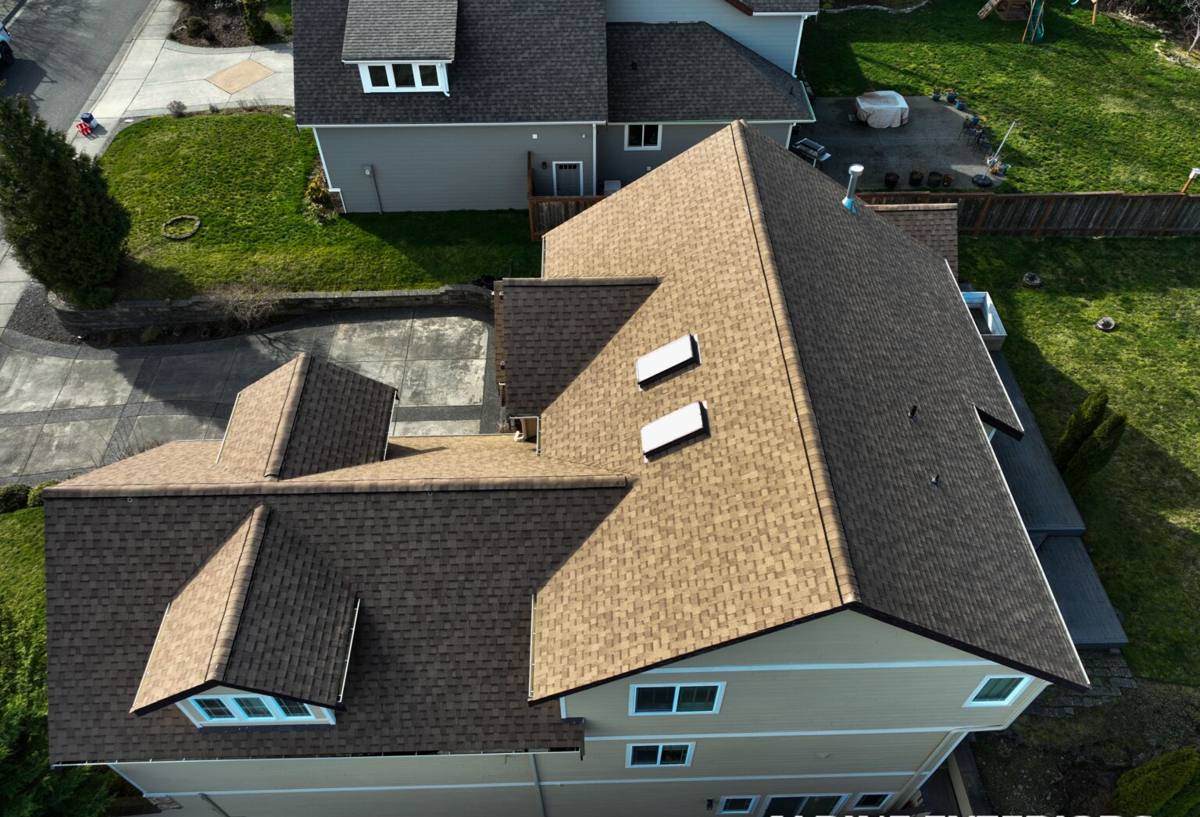
Windows don't operate in isolation — they're one part of a home's overall defense against wind, water, and sun. We also handle siding, roofing, and decking, which matters on a property like an Island Estates home because these systems interact. A roof that's shedding water properly and siding that's sealed correctly both reduce the moisture load a window has to deal with, and vice versa. When we're on site for window work, we're looking at the whole envelope, not just the opening in front of us, and we'll flag anything else worth a homeowner's attention rather than staying narrowly in one lane.
If you're in Island Estates and want an honest read on your windows — whether that's a full replacement, a repair, or just a professional opinion on what shape they're in — we're happy to take a look. The estimate is free, there's no pressure, and you'll get a straight answer about what actually needs attention versus what can wait. Use the form below to get started.