 Clearwater Window
 Dunedin's Gulf Coast Climate Is Hard on Windows
Dunedin sits right up against the Gulf of Mexico on the western edge of Pinellas County, and that location cuts both ways. It's part of what makes the area a great place to live, but it also means homes here take a beating that inland Florida properties simply don't deal with in the same way. Salt-laden air drifts in off the water and settles on everything, including window frames, hardware, and seals. Add in the intense, nearly year-round UV exposure common to this part of Florida, wind-driven rain that finds its way into the smallest gaps, and the real risk of hurricane-force winds during storm season, and you've got a combination that ages windows faster than almost anywhere else in the country.
Older single-pane or aluminum-frame windows, which are still common in a lot of Dunedin's established neighborhoods, weren't built with today's storm codes in mind. Even newer windows installed without proper flashing or the right glass package can underperform once they've spent a few Florida summers baking in the sun and a few tropical systems testing their seals.
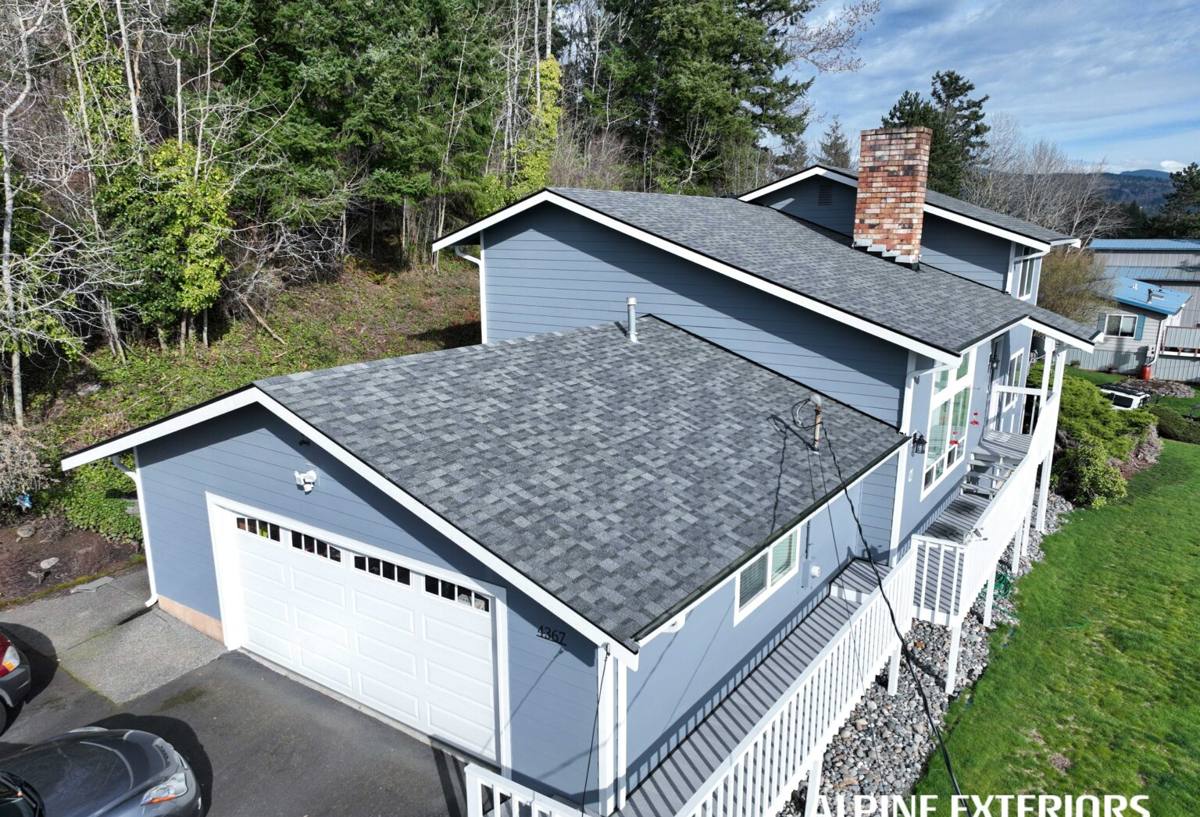
What We See Most Often on Dunedin Homes
Every coastal community has its own pattern of wear, and Dunedin is no exception. Because of the mix of home ages here — from mid-century block construction to newer builds — we run into a wide range of window conditions on service calls throughout Pinellas County.
Common problems we find
- Aluminum frames that have pitted or corroded from salt exposure, making them hard to open and close smoothly
- Failed or fogged double-pane seals, where moisture has worked its way between the glass layers
- Wood or composite frames with sun-damaged, cracked, or chalky exterior finishes from UV exposure
- Weep holes and weatherstripping clogged or degraded, allowing wind-driven rain to seep in during storms
- Older windows that don't meet current wind-load and impact requirements for the region
- Hardware (latches, cranks, balances) that has seized up or corroded to the point of failure
None of this means a homeowner did anything wrong. It's just what happens to windows in a coastal environment over ten, twenty, or thirty years. The question isn't whether the climate will take a toll — it's whether the windows were built and installed to handle it in the first place.
Impact-Rated Windows vs. Standard Replacement Windows
Not every homeowner needs the highest-rated impact glass on every window, and we'll tell you that honestly during an estimate. But it's worth understanding the real differences so you can make a decision based on your home, your budget, and your risk tolerance rather than guesswork.
| Feature | Standard Replacement Window | Impact-Rated Window |
|---|---|---|
| Wind-borne debris resistance | Not designed for direct debris impact | Tested against large and small missile impact |
| Glass construction | Typically single or dual-pane, standard laminate optional | Laminated glass with an interlayer that holds together if cracked |
| Storm shutters needed | Usually recommended | Generally not required for wind-borne debris protection |
| UV and heat performance | Varies by glass package | Often paired with Low-E coatings for better heat rejection |
| Typical cost | Lower upfront cost | Higher upfront cost, often offset by insurance savings |
| Insurance impact | Minimal effect on premiums | Can qualify for wind mitigation discounts |
For a lot of Dunedin homes, especially those close to the water or without existing shutter systems, impact-rated windows end up being the more practical long-term choice once you factor in insurance savings and the fact that you're not scrambling to put up shutters every time a storm is tracking toward the Gulf. For homes further inland or with strong existing protection, a quality standard window may be the more cost-effective fit. We'll walk through both options honestly rather than pushing the more expensive product by default.
Frame Materials: What Holds Up in Salt Air
Frame material matters just as much as the glass. Vinyl frames generally resist salt corrosion well and require little maintenance, which is a big advantage in this climate. Aluminum frames are strong and slim-profile but need a quality finish to resist pitting near the coast. Wood frames offer a classic look but demand more upkeep in humid, salty air unless properly clad or sealed. We'll talk through which option fits your home's style and your appetite for maintenance rather than assuming one material is right for every homeowner.
Our Window Replacement Process
Replacing windows is about more than swapping glass — the installation determines whether the window actually performs the way it's rated to. Here's how we approach it:
- On-site assessment. We look at your existing windows, frame condition, current flashing, and any signs of water intrusion or wood rot around the openings.
- Product selection. We go over frame materials, glass packages, and impact ratings based on your home's exposure, budget, and insurance goals.
- Proper flashing and sealing. This is where a lot of window failures actually originate — not the window itself, but a rushed or incomplete installation. We treat flashing and sealing as non-negotiable steps.
- Installation. Old units are removed carefully to avoid damaging surrounding siding or trim, and new windows are set plumb, level, and properly fastened per manufacturer and code requirements.
- Final inspection. We test operation, check seals, and confirm everything is weathertight before we consider the job done.
Why a Local, Pinellas County Crew Makes a Difference
Window installation isn't the same job in Dunedin as it is in a landlocked state. A crew that mostly works inland climates may not think twice about corrosion-resistant fasteners, proper weep hole placement, or the wind-load requirements that apply to homes in this part of Florida. A local crew that works throughout Clearwater and the surrounding Pinellas County communities sees this climate's effect on homes every week, not once in a while.
That familiarity shows up in small but important decisions — which sealants actually hold up to salt air and sun over years rather than months, how to detail a window opening so wind-driven rain doesn't find its way behind the trim, and which products have a track record of holding up in this specific environment versus just looking good on paper. It also means a real person who knows the area is answering the phone if something needs attention after a storm.
What Affects the Cost of Window Replacement
Every home is different, so we don't quote sight-unseen, but there are a handful of factors that consistently drive cost up or down on a window project:
- Number of windows being replaced and their sizes
- Frame material chosen (vinyl, aluminum, wood, or clad options)
- Glass package — standard dual-pane versus impact-rated laminated glass
- Condition of the existing opening, including any rot or structural repair needed before installation
- Whether trim, casing, or interior finish work is included
- Access and second-story or hard-to-reach openings
We break all of this down clearly during the estimate so you know exactly what you're paying for and why, rather than getting a single lump number with no explanation.
How Windows Fit Into the Bigger Picture of Storm-Proofing Your Home
Windows don't work in isolation. A house is only as weather-tight as its weakest component, and we handle siding, roofing, and decks in addition to windows because these systems all have to work together. A new impact window installed next to deteriorating siding or an aging roofline with compromised flashing still leaves your home vulnerable to wind-driven rain finding another way in. When we assess your windows, we're also happy to flag anything we notice on the roof or siding that could undermine the work you're investing in, even if it's not part of the original scope.
This is especially relevant for older Dunedin homes where the windows, roof, and siding may all be original or close to it. Tackling them as a connected system, even over time and in phases, tends to produce a much more resilient result than treating each one as a separate, unrelated project.
Caring for New Windows in a Coastal Environment
Even the best window installation benefits from basic upkeep in a salt-air climate. A simple rinse with fresh water every few weeks helps clear salt residue off frames and glass before it has a chance to settle in. It's worth checking weep holes periodically to make sure they haven't clogged with debris, since those small openings are what let water drain out rather than pool against the frame. Hardware like locks and cranks should move freely — if something starts to stick, a light appropriate lubricant and a quick wipe-down usually solves it before corrosion sets in. None of this is complicated, but it does make a real difference in how long your windows perform at their best.
Ready to Talk About Your Windows?
If your Dunedin home has windows that are fogging, sticking, letting in drafts, or just aren't built for the kind of weather this coast sees, we're glad to come take a look. We'll give you a straightforward, no-pressure estimate and an honest read on what your home actually needs — use the form below to get started.