 Clearwater Window
 Windows in Seminole Face a Different Kind of Wear
Seminole sits close enough to the Gulf that salt air, humidity, and wind-driven rain are part of daily life for every home in the area, whether you're a few blocks from the water or further inland toward Park Boulevard. Windows here don't fail the way they do in drier, cooler climates. The damage is slower and less obvious: a seal that softens a little more each summer, a frame that starts trapping moisture instead of shedding it, hardware that corrodes from the inside out. By the time a homeowner notices a problem, the window has usually been struggling for years.
Pinellas County's building code reflects this reality. Windows installed here are held to wind-load and impact standards that don't exist in most of the country, and for good reason. A window is one of the largest openings in your home's envelope, and during a storm it's often the first thing that fails, which is why replacing or repairing windows correctly in this area is as much about engineering as it is about appearance.
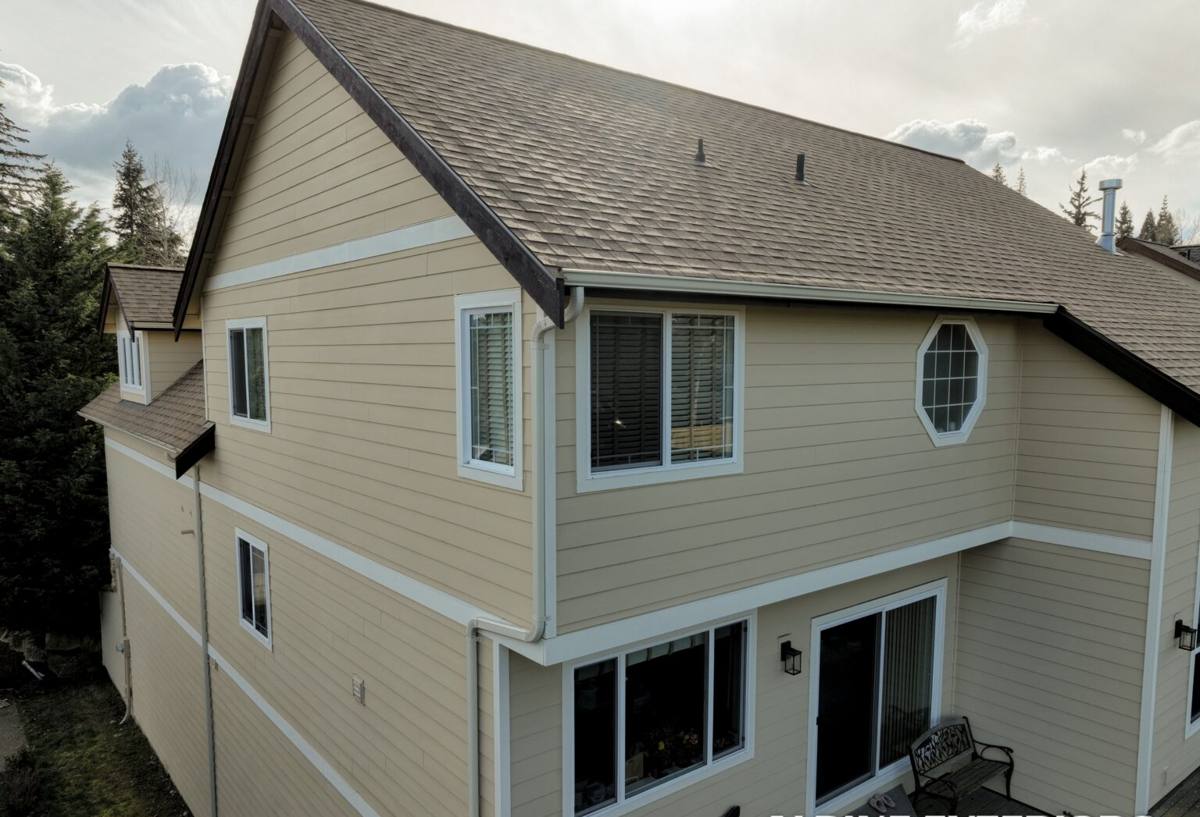
What Actually Wears Windows Out Here
Salt Air and Corrosion
Even a few miles inland, airborne salt settles on window frames, hardware, and screens. Aluminum frames without proper coatings pit and corrode over time. Hinges, cranks, and locking hardware seize up. This is a slow process, but it's constant, and it's one of the main reasons window hardware in this area needs replacing well before the glass itself gives out.
UV Exposure
Florida gets sun nearly year-round, and that UV load breaks down vinyl frames, dries out seals, and fades interior finishes near windows faster than in most of the country. Older single-pane and even early dual-pane windows often show visible frame discoloration or brittleness long before there's an obvious leak.
Wind-Driven Rain
Rain in Seminole rarely falls straight down. Afternoon storms push rain sideways against window frames and seals, testing weatherstripping and flashing details that never get tested in calmer climates. A window that's watertight in a light rain can still leak under wind-driven conditions if the installation wasn't done with that in mind.
Hurricane and Tropical Storm Winds
This is the big one. Pinellas County requires wind-load-rated products in most residential applications, and homes closer to the coast often fall under stricter requirements. A window that isn't rated correctly for its exposure zone is a liability during any significant storm, not just a hurricane.
Signs Your Windows Are Losing the Battle
- Fogging or a permanent haze between panes (a failed seal on dual-pane glass)
- Frames that feel soft, chalky, or discolored to the touch
- Windows that are hard to open, close, or lock, especially after humid weather
- Visible corrosion or rust streaking near hardware or hinges
- Drafts or a noticeable temperature difference near the window when the AC is running
- Water staining on the interior wall or sill after storms
- Rising energy bills without any other clear explanation
Any one of these on its own might not mean much. Several of them together, especially on windows over 12-15 years old, usually mean it's time for an honest evaluation rather than another round of caulk and weatherstripping.
Impact-Rated Windows: What Actually Matters
"Impact windows" gets thrown around as a marketing term, but the substance behind it is what protects a home. An impact-rated window uses laminated glass, a plastic interlayer bonded between two glass panes, so that even if the outer pane cracks under debris impact, the window stays intact and keeps wind and water out. That interlayer, along with a frame and anchoring system engineered to hold under pressure, is what separates a genuinely impact-rated window from one that just looks similar.
We install to the wind-load and impact requirements that apply to your specific property, which can vary by exposure and location even within Seminole. We don't guess at this. It's based on the actual code requirements for your address, not a one-size-fits-all package.
Impact Windows vs. Shutters
Some homeowners ask whether shutters are a cheaper alternative to impact glass. They can be, upfront. But shutters only protect during the specific window of time you deploy them, they require someone to actually put them up before a storm, and they do nothing for the everyday UV, noise, and energy performance that impact windows improve year-round. For homes where storm prep isn't always guaranteed to happen on time, impact glass is the more consistent form of protection.
Choosing the Right Frame Material
Frame material affects how a window holds up to this climate more than most homeowners expect. Here's how the common options compare for a Seminole property specifically:
| Frame Material | Salt/Humidity Resistance | Maintenance | Typical Fit |
|---|---|---|---|
| Vinyl | Good, doesn't corrode | Low, occasional cleaning | Most residential replacements, cost-effective |
| Aluminum | Fair, needs quality coating to resist pitting | Moderate, watch hardware for corrosion | Larger openings, contemporary looks |
| Fiberglass | Excellent, very stable in heat and humidity | Low | Higher-end replacements, long-term durability |
| Wood (clad) | Poor without careful maintenance | High, ongoing sealing required | Interior-driven aesthetic, not our first recommendation on the coast |
Wood-frame windows can look great, but in a coastal, humid climate they demand a level of ongoing maintenance that most homeowners underestimate. We'll always tell you honestly if a product isn't a good fit for your home's exposure rather than sell you something that looks good on day one and struggles by year five.
Why the Installation Matters As Much As the Window
A correctly rated window installed poorly is still a weak point in your home. Most of the leaks and failures we get called out to inspect trace back to installation, not the product itself: flashing that wasn't integrated with the wall's water management, gaps in the sealant, fasteners that weren't set to the anchoring schedule the window actually requires, or a rough opening that wasn't properly prepped before the new unit went in.
Because we also do siding and roofing work, we look at a window replacement as part of the whole exterior envelope, not an isolated swap. That means checking how the window ties into the surrounding siding or stucco, making sure water has somewhere to go if it does get past the outer seal, and confirming the opening is square and sound before anything new goes in.
What Our Process Looks Like
- On-site evaluation of existing windows, framing, and any water intrusion signs
- Confirming the wind-load and impact requirements that apply to your specific property
- Reviewing frame material and glass options honestly, including trade-offs
- Written estimate with a clear scope, no vague allowances
- Permitting handled through Pinellas County or the local jurisdiction, as required
- Installation with proper flashing, anchoring, and sealant details, not just a fast reset
- Final walkthrough and inspection sign-off
Energy Performance in a Hot, Humid Climate
Window performance ratings written for northern climates don't always translate cleanly to Florida. Here, the priority isn't so much keeping heat in during winter, it's keeping solar heat gain and humidity out during a long, intense summer. Low-E coatings and the right glass package can noticeably cut how hard your AC has to work, and tighter seals reduce the humid air infiltration that drives mold and mildew problems inside the home. We'll talk through glass packages in terms of what actually matters for a Seminole house, not a spec sheet written for a different climate zone.
Permits and Code in Pinellas County
Window replacement in this area isn't a swap-it-yourself weekend project if you want it done to code, and it shouldn't be treated as one even by contractors. Permits are typically required, wind-load documentation has to match your property's exposure category, and the finished work needs to pass inspection. We handle the permitting process as part of the job rather than leaving it for the homeowner to sort out, and we won't cut corners on documentation just to move faster.
Maintaining Windows Once They're In
- Rinse frames and tracks periodically to clear salt residue, especially after storms
- Check and lubricate hardware (locks, cranks, hinges) once or twice a year
- Inspect exterior sealant lines annually for cracking or gaps
- Clear weep holes on the sill so water can drain rather than pool
- Watch for soft spots or discoloration in surrounding trim or siding
- Don't ignore a sticking window, it's often an early sign of frame movement or seal failure
Why a Local Crew Makes a Real Difference
Anyone can sell a window. Fewer contractors actually understand how a specific product performs against Pinellas County's wind and moisture conditions over years, not just on installation day. We work in this climate every week, which means we're not learning on your house what a hurricane season or a decade of salt air does to a given frame or seal detail. We also handle the roofing and siding on the same homes, so we see firsthand how windows interact with the rest of the exterior when something goes wrong, and we build our installations to avoid those failure points from the start.
If your windows in Seminole are showing their age, underperforming in storms, or just costing you more in energy bills than they should, we're happy to come take an honest look. We'll tell you what we see, walk you through real options, and give you a straightforward estimate, no pressure, no upsell. Reach out using the form below to schedule a free evaluation.