 Clearwater Window
 Why This Decision Deserves More Than a Showroom Glance
Every window replacement conversation in Clearwater eventually comes down to the same fork in the road: vinyl or fiberglass. Both are legitimate, code-compliant choices. Both can be built to meet Florida's impact standards. But they behave differently over a 15- to 25-year lifespan, and the differences matter more here than they would in a milder climate. Pinellas County homes deal with hurricane-force wind events, intense year-round UV exposure, wind-driven rain that finds every gap in a poor installation, and salt air drifting in off the Gulf and the bay. Material choice interacts with all four of those stresses, and an honest comparison has to account for that instead of just quoting price per opening.
This page lays out what each material actually is, how it performs, where the real trade-offs sit, and what tends to matter most for homes in this part of Florida.
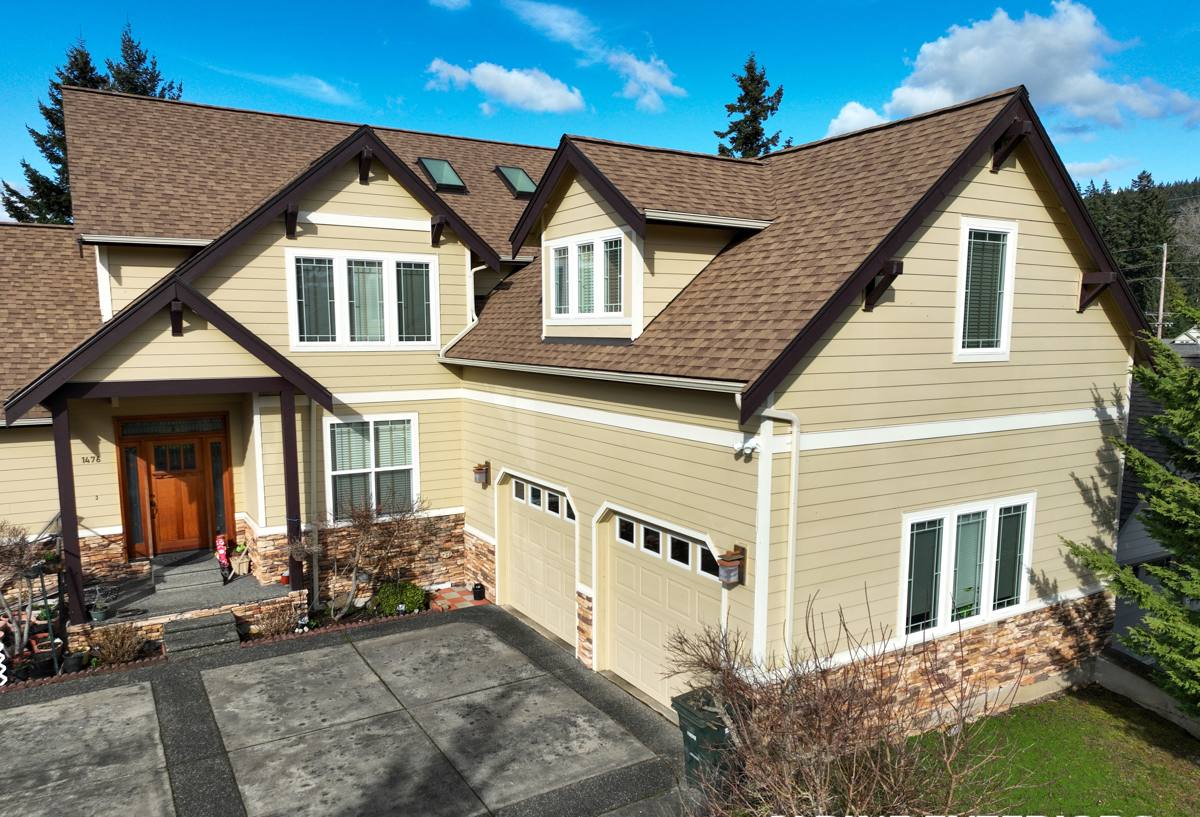
Vinyl Windows: What They Are and How They Perform
Vinyl frames are extruded PVC, often reinforced internally with aluminum or fiberglass stiffening bars in larger impact-rated units to keep them from flexing under wind load. Vinyl has been the most common window material installed in Florida for decades, and for good reason — it's cost-effective, widely available in impact-rated configurations, and doesn't rust or rot.
Where vinyl holds up well
- Lower material and installation cost compared to fiberglass, generally by a meaningful margin
- No corrosion risk from salt air — a real advantage this close to the coast
- Good insulating properties; the hollow-chamber frame design resists heat transfer well
- Wide selection of impact-rated products from major manufacturers, with predictable lead times
Where vinyl has real trade-offs
PVC expands and contracts with temperature swings more than fiberglass does. In Florida that's less about freeze-thaw (which isn't a factor here) and more about long-term UV exposure softening or discoloring lower-grade vinyl over many years of intense sun. Darker frame colors absorb more heat and can expand more, which is why some manufacturers restrict which colors are available in larger impact sizes. Vinyl also can't be painted after the fact in most cases, so the color you choose is the color you're committed to for the life of the window.
Fiberglass Windows: What They Are and How They Perform
Fiberglass frames are pultruded composite material — essentially glass fibers embedded in resin, formed into the frame shape under heat and pressure. The result is a frame that's dimensionally stable across a wide temperature range, meaning it expands and contracts far less than vinyl as it heats up in direct Florida sun.
Where fiberglass holds up well
- Excellent dimensional stability — less prone to warping, bowing, or seal stress over time from heat cycling
- Strong strength-to-weight ratio, which helps in larger impact-rated openings
- Can typically be painted, giving homeowners more flexibility if they want to change exterior color down the road
- Holds up well against UV exposure without the long-term surface degradation that lower-grade vinyl can show
Where fiberglass has real trade-offs
The upfront cost is higher — often noticeably so — and fewer manufacturers produce it, which can mean longer lead times and fewer style or grid-pattern options in some product lines. Fiberglass is also less forgiving of a sloppy installation: because the frame doesn't flex the way vinyl does, proper shimming, fastening, and sealant work matter even more to avoid stress points.
Side-by-Side Comparison
| Factor | Vinyl | Fiberglass |
|---|---|---|
| Typical upfront cost | Lower | Higher |
| Salt air / corrosion resistance | Excellent (no metal to corrode) | Excellent |
| Thermal expansion/contraction | Higher — can be a factor in dark colors | Low — very stable |
| UV resistance over decades | Good, varies by product grade | Very good |
| Paintable after install | Generally no | Usually yes |
| Impact-rated availability | Widely available, many manufacturers | Available, fewer manufacturers |
| Installation sensitivity | Moderate | Higher — precision matters more |
How Pinellas County's Climate Actually Changes the Math
Wind load and impact rating
Both vinyl and fiberglass can be manufactured to meet Florida Building Code's high-velocity hurricane zone and large missile impact requirements, but the frame reinforcement, glass makeup, and anchoring method all have to be engineered together as a system. A window's material alone doesn't tell you its wind rating — the specific tested assembly does. This is why we always talk in terms of the product line and its Notice of Acceptance or Miami-Dade/Florida Product Approval number, not just "vinyl" or "fiberglass" as a category.
Salt air and coastal exposure
Homes closer to the water — and a lot of Clearwater is closer to the water — see accelerated wear on hardware, screens, and exterior finishes. Neither vinyl nor fiberglass corrodes the way an aluminum-only frame can, but the locks, hinges, and other hardware components still need to be a marine-grade or corrosion-resistant spec regardless of which frame material you choose.
UV and heat
Direct Florida sun is relentless on south- and west-facing elevations. This is where the thermal stability difference between the two materials shows up most over a 15-20 year window. It's a real factor worth weighing, though good glass package and proper installation matter at least as much for comfort and energy performance.
Wind-driven rain
Frame material has very little to do with water intrusion — installation quality does. A vinyl window installed with correct flashing, sealant, and fastening will outperform a fiberglass window installed carelessly, every time. We'll say more on that below because it's the point most comparison articles skip.
Cost Considerations Beyond the Sticker Price
Sticker price is only part of the picture. A few things worth factoring in when comparing quotes:
- Glass package: Impact-rated laminated glass, Low-E coatings, and gas fill all add cost independent of frame material — and often affect comfort and energy bills more than the frame does
- Frame size and configuration: Larger openings, sliders, and picture windows put more stress on the frame, which is where fiberglass's stability can justify its premium
- Color: Dark vinyl frames in large sizes may carry restrictions or upcharges due to heat expansion; fiberglass has more flexibility here
- Warranty structure: Compare what's actually covered — glass seal failure, frame defects, and labor are often warrantied separately and for different lengths of time
- Installation labor: Fiberglass's precision requirements can mean slightly more labor time for a proper install
Which One Makes Sense for Your Home
Neither material is the "right" answer for every house. Here's a practical checklist to work through before deciding:
- Are you replacing large openings (sliders, picture windows) where frame stability under heat matters more?
- Is budget the primary constraint, with performance needs met by a quality impact-rated vinyl product?
- Do you want the option to repaint the frame color in the future without replacing the window?
- Is your home on a south- or west-facing exposure with heavy direct sun for most of the day?
- How close is your property to the water, and how much salt exposure does the exterior actually see?
- What's your realistic time horizon in the home — 10 years versus 20+ changes how much the long-term stability differences matter?
Answering these honestly, with actual measurements and sun exposure for your specific openings, is more useful than picking a material off a marketing brochure.
Installation Quality Matters More Than Which Material You Choose
We say this to every homeowner regardless of what they end up buying: the single biggest factor in how a window performs during a Florida storm and over its lifespan is the quality of the installation — correct rough opening prep, proper flashing and sealant sequencing, anchoring to the actual substrate per the product's engineering, and correct shimming so the frame isn't stressed once it's fastened. A premium fiberglass window installed poorly will leak and underperform. A well-installed, quality vinyl window will do its job for decades. Material selection matters, but it's one input among several, and it's not worth agonizing over at the expense of vetting who's actually doing the installation work.
Getting to a Decision You're Comfortable With
The honest answer for most Clearwater homeowners is that both vinyl and fiberglass, in a quality impact-rated product line, will serve you well. The decision usually comes down to budget, the specific openings you're replacing, sun exposure, and how long you plan to stay in the home. We're happy to walk through your specific situation — window by window, elevation by elevation — and give you a straight recommendation rather than steering you toward whichever material happens to be more profitable to sell.
If you'd like an honest, no-pressure look at your windows and a clear comparison of options for your home, reach out for a free estimate using the form below.