 Clearwater Window
 Windows in Safety Harbor Work Harder Than Most
Safety Harbor sits along the edge of Old Tampa Bay, and that waterfront position is part of what makes the community so livable — and part of what makes its windows age faster than windows a few hundred miles inland. Between the humidity that never really lets up, the salt-tinged air drifting off the bay, intense UV exposure most of the year, and the wind-driven rain that comes with Gulf Coast storm season, a home's windows are one of the hardest-working components of the building envelope. They're also one of the most overlooked, right up until a frame swells, a seal fails, or a storm exposes a weak point.
We work on homes throughout Clearwater and Pinellas County, and Safety Harbor has its own character: a mix of older bungalows and cottages near downtown, mid-century ranch homes, and newer construction closer to the water. Each of those housing types tends to have different window problems, but the underlying cause is almost always the same regional climate — heat, moisture, UV, and salt air, all working on the window year-round instead of just seasonally.
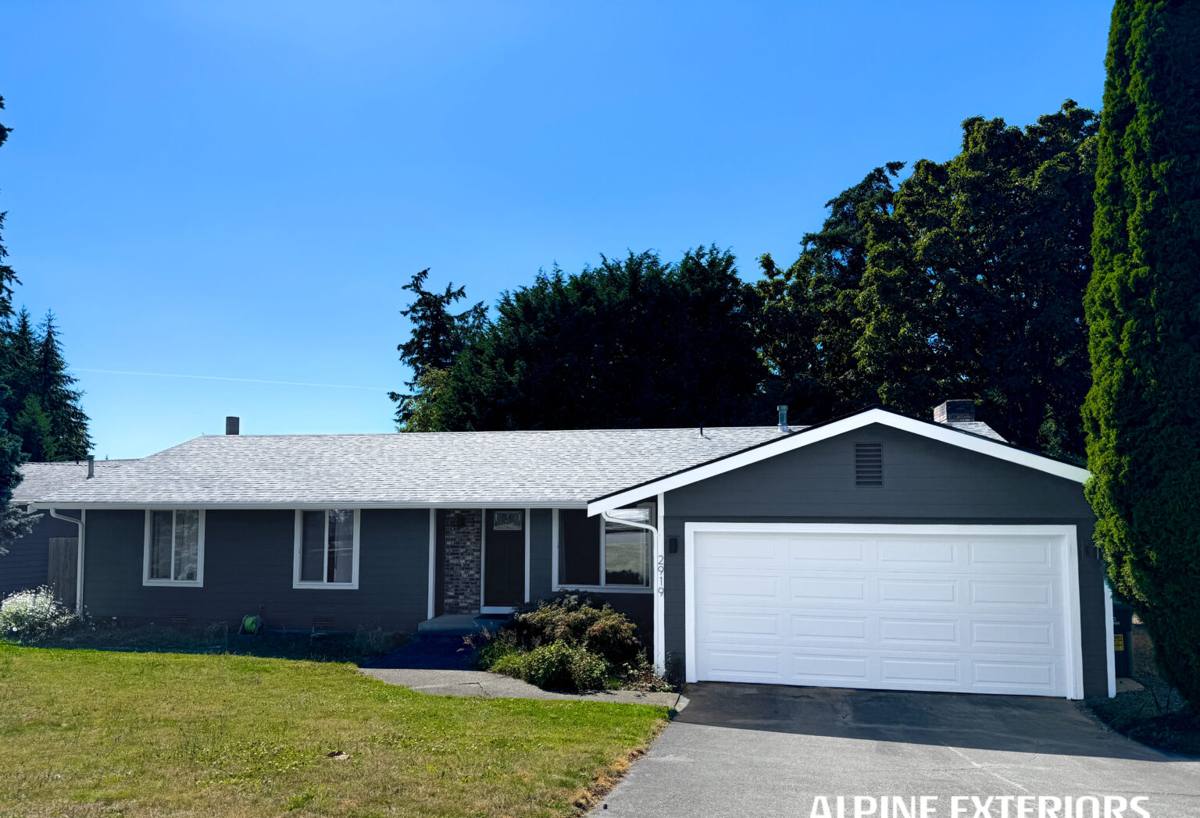
What the Local Climate Does to a Window Over Time
Heat and UV
Central Florida sun is relentless. UV exposure breaks down window seals, weatherstripping, and vinyl components faster than in most parts of the country, and it's a major reason why cheaper vinyl frames can look chalky or brittle within a decade. Heat also causes materials to expand and contract daily, which stresses seals and hardware over time.
Humidity and Moisture
Pinellas County's humidity keeps moisture pressed against window frames and sills almost constantly. On older single-pane or poorly sealed windows, that moisture works its way into wood framing and drywall, leading to soft spots, mold, and eventually rot around the opening — problems that are far more expensive to fix than the window itself.
Salt Air
Being close to the bay means salt-laden air reaches Safety Harbor homes more than it does inland Pinellas neighborhoods. Salt is corrosive to metal hardware, screens, and aluminum framing components, which is why hardware finish and frame material matter more here than in a landlocked climate.
Wind and Storms
Whether it's a tropical system or a strong summer thunderstorm, wind-driven rain finds every gap in an aging window. Older windows that were fine for decades can start leaking once seals degrade, and in a named storm, an under-built window is a real vulnerability for the whole house.
Signs Your Windows Need a Closer Look
Homeowners often live with window problems for years before addressing them, mostly because the symptoms show up gradually. Here's what we tell people to watch for:
- Fogging or a permanent haze between panes of double-pane glass (a sign the seal has failed)
- Windows that are difficult to open, close, or lock — often a sign of frame warping
- Visible daylight or drafts around the frame when the window is closed
- Soft or discolored drywall, trim, or sill below or around the window
- A noticeable rise in cooling costs without other explanation
- Chalky, pitted, or cracked exterior frame material
- Condensation forming on the interior glass regularly, even in mild weather
- Visible corrosion on hinges, locks, or screen frames
Any one of these on its own might just need a repair. Several at once, especially on windows installed decades ago, usually points to replacement being the more cost-effective long-term choice.
Repair or Replace? How We Help You Decide
Not every window problem calls for full replacement, and we don't push replacement when a repair will genuinely solve the issue. Hardware failures, a cracked pane in an otherwise sound frame, or a failed seal on a newer window are often straightforward repairs. But if the frame itself has moisture damage, the window is original to a much older home, or you're dealing with problems on multiple windows at once, replacement usually costs less over a 10-15 year horizon than repeated repairs — and it gives you the chance to upgrade to better-performing glass and framing suited to this climate.
We'll always give you a straight answer on which category your situation falls into, including when a repair is the right call even if replacement would be the bigger job for us.
Choosing the Right Window for a Safety Harbor Home
Frame material and glass package both matter more here than in a dry, inland climate. The table below is a general guide — the right choice depends on your home's age, exposure, and budget, which is something we walk through on-site.
| Frame Material | Coastal/Humidity Durability | Maintenance | Typical Cost Position |
|---|---|---|---|
| Vinyl | Good, if UV-stabilized | Low | Most affordable |
| Aluminum | Strong structurally, needs quality coating to resist salt corrosion | Low to moderate | Mid-range |
| Fiberglass | Excellent — stable in heat and humidity, resists warping | Low | Higher upfront |
| Wood | Weakest in this climate without diligent upkeep | High | Varies, often higher long-term |
Wood-frame windows can look great and work fine in drier climates, but in a humid, salt-air environment like Safety Harbor they require more consistent maintenance to avoid moisture problems at the joints. We're upfront with homeowners about that trade-off rather than selling a look that fights the climate.
Glass Packages Worth Considering
Beyond frame material, the glass itself makes a real difference:
- Low-E coatings reduce UV transmission and heat gain, which helps with both cooling bills and fading of interior furnishings
- Impact-rated laminated glass is built to resist wind-borne debris and is increasingly common in Pinellas County, especially for homes closer to the water
- Insulated (double-pane) glass with a properly sealed gas fill improves energy performance over single-pane glass significantly
Impact Windows and Local Building Requirements
Pinellas County, like the rest of coastal Florida, has wind-borne debris and building code requirements that affect window specifications, particularly in areas closer to the coast. Impact-rated windows use laminated glass designed to stay intact under impact, which protects the opening even if the outer surface cracks. They also tend to hold up better against the everyday wear of wind-driven rain and pressure changes that come with frequent storms, not just named events.
Non-impact windows paired with code-compliant shutters are also a valid path for some homes, and the right choice depends on your budget, the home's age, and whether you want the lower-maintenance, always-on protection that impact glass provides versus the lower upfront cost of shutters. We'll walk through what applies to your specific property rather than assuming one answer fits every home.
What to Expect From the Installation Process
A quality window installation is as much about the details around the window as the window unit itself. Here's what we focus on:
Before Removal
We inspect the existing opening for hidden moisture damage or rot in the framing, which is common in older Safety Harbor homes and needs to be addressed before a new window goes in — not covered up behind it.
Flashing and Sealing
Proper flashing and sealant work around the window opening is what actually keeps wind-driven rain out over the long run. This step matters more in a wet, humid climate than the window brand does, and it's where a lot of corner-cutting installs fail years down the line.
Final Fit and Finish
Windows are shimmed, leveled, and secured to manufacturer specification, then finished with interior and exterior trim work so the result looks intentional, not patched in.
Energy Efficiency and Comfort Benefits
Given how much of the year Safety Harbor homes run air conditioning, window performance has a direct effect on comfort and utility bills. Old single-pane or poorly sealed windows let heat pour in during the day, forcing the AC to work harder, and let conditioned air leak back out. Upgrading to a well-sealed, Low-E insulated window package is one of the more noticeable comfort upgrades a homeowner can make, on top of protecting the home during storm season.
Why Choose a Local Window Crew
Window replacement isn't just a product transaction — it's a construction job that touches your home's structure, weatherproofing, and appearance. A crew that works throughout Clearwater and Pinellas County day in and day out understands how homes in this area are built, what problems show up most often in Safety Harbor's mix of older and newer construction, and what actually holds up against this specific combination of heat, humidity, salt air, and storms. That local, on-the-ground experience matters more here than picking whichever window brand has the flashiest marketing.
As a company that also handles siding, roofing, and decking, we see the whole exterior envelope of a home, not just the window opening in isolation — which helps us catch related issues, like trim or siding damage around a window, that a windows-only company might miss.
Keeping Your Windows in Good Shape
Once new windows are in, a little regular upkeep goes a long way in this climate:
- Rinse frames and tracks periodically to clear salt residue, especially on homes closer to the bay
- Check and lubricate hardware annually so locks and rollers don't seize
- Inspect exterior caulking and sealant yearly and touch up before hurricane season
- Keep weep holes clear of debris so water can drain properly
- Address any soft trim or discoloration around a window promptly rather than waiting
Let's Take a Look at Your Windows
If you're dealing with drafty, foggy, or hard-to-operate windows in Safety Harbor, or you're planning ahead of storm season, we're happy to come out, take an honest look, and give you a straightforward estimate — no pressure, no upsell. Use the form below to get started.