 Clearwater Window
 What "Low-E" Actually Means
Low-E stands for low-emissivity, which is just a technical way of saying the glass has a microscopically thin metallic coating that controls how much heat radiates through it. The coating is invisible to the eye — you won't notice it looking at the glass — but it changes how the window behaves all day, every day, for as long as you own the house. It's not a film you apply later and it's not a tint. It's baked into the glass itself during manufacturing, usually on one of the interior surfaces of a dual-pane unit.
For homeowners in Clearwater, this matters more than in most parts of the country. Between the intense year-round UV, the long stretch of months where the AC runs constantly, and the general heat load coming off the Gulf, glass performance isn't a minor spec on a spreadsheet — it's a real factor in your monthly power bill and in how fast your furniture and flooring fade.
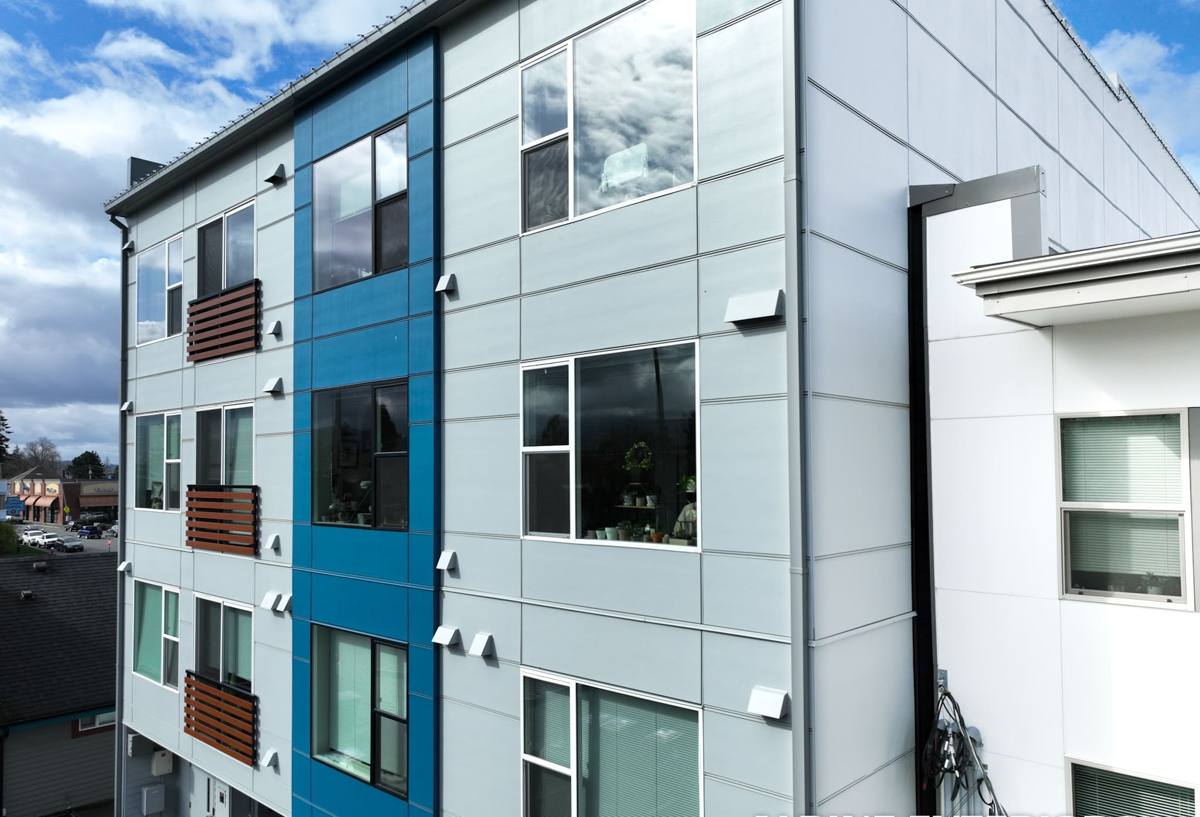
How the Coating Actually Works
Think of low-E coating as a selective filter. It's designed to let visible light pass through — so the room stays bright — while reflecting a large share of infrared (heat) energy and blocking most ultraviolet radiation. In a hot, sunny climate like Pinellas County, the goal is almost always to keep solar heat out during the day, rather than trying to trap indoor heat in like you'd want in a northern climate.
Soft-Coat vs. Hard-Coat
There are two broad manufacturing methods. Hard-coat (pyrolytic) low-E is applied while the glass is still molten and fused directly into the surface — it's durable and inexpensive but less effective at blocking heat. Soft-coat (sputtered) low-E is applied in a vacuum chamber after the glass has cooled, using multiple ultra-thin layers, often including silver. It performs significantly better at controlling solar heat gain, which is the priority for most homes in this area, but it has to be sealed between panes of glass rather than exposed, since it's more delicate.
Where the Coating Sits
In a standard dual-pane window, the coating is usually placed on the third surface — the inside face of the outer pane — so it's protected from weather and cleaning but positioned to reflect solar heat before it ever reaches the airspace between the panes. Where exactly the coating sits, and how many silver layers are used, changes the balance between visible light, heat rejection, and UV blocking.
What It Actually Saves You
Here's the honest answer: low-E glass doesn't cut your energy bill in half, and anyone who tells you it will is overselling it. What it does is reduce the load your air conditioner has to fight against, which is the single biggest energy draw in a Florida home for eight or nine months of the year. Less solar heat coming through the glass means your AC cycles less, runs shorter, and doesn't have to work as hard to hold a setpoint on a 95-degree afternoon.
The actual dollar savings depend on your home's orientation, how much glass you have, your current windows' condition, and your utility rate — so we won't hand you a made-up percentage. What we can tell you honestly is that the biggest gains come from replacing older single-pane or early dual-pane windows that have no low-E coating at all, especially on west- and south-facing exposures that take the brunt of the afternoon sun.
| Factor | Effect on Savings |
|---|---|
| Window orientation (west/south exposure) | Bigger impact — these faces carry the most direct solar heat load in the afternoon |
| Age/type of existing glass | Replacing single-pane or clear dual-pane glass shows the most noticeable difference |
| Home shading (trees, overhangs, awnings) | Reduces the marginal benefit of low-E somewhat, since less direct sun hits the glass |
| AC system condition and duct sealing | A poorly maintained system won't fully capture the reduced load — savings show up less on the bill |
| Coating type (solar control vs. passive) | Solar control low-E is built for heat rejection and performs better in this climate than passive low-E |
Low-E and Florida's Specific Climate Challenges
Windows here have to deal with more than just heat. Hurricane-force winds, wind-driven rain, intense UV exposure, and salt air off the Gulf all take a toll on a house's exterior, and glass is not exempt from that. Low-E coatings address a specific piece of that puzzle — heat and UV — but it's worth understanding what they do and don't cover.
UV and Fading Protection
Low-E coatings block a large share of ultraviolet radiation, which is the primary cause of fading in flooring, upholstery, artwork, and cabinetry. Given how much direct sun a Pinellas County home takes in over a year, this is a real, noticeable benefit — rooms with low-E glass show far less UV fading over time than rooms with clear glass.
Heat Gain Isn't the Only Job
Low-E glass doesn't do anything for wind resistance, impact resistance, or water infiltration on its own — those are separate performance categories tied to the frame, the glazing method, and whether the unit is rated for the local wind zone. A window can have excellent low-E performance and still be the wrong choice for a coastal-exposure home if it isn't also built to the wind and impact standards this area requires.
Pairing Low-E With Impact-Rated Glass
Most homes in this part of Florida need windows that meet both energy code and wind-borne debris requirements, and the good news is those two things aren't in conflict. Impact-rated glass — laminated glass with an interlayer designed to stay intact under impact — can absolutely carry a low-E coating. In fact, most manufacturers now build their impact packages with low-E as a standard or easily added option, since Florida's energy code effectively expects it.
When we spec windows for a home, we're balancing the wind zone requirement for that specific address, the coating package for heat and UV control, and the frame and glazing method that will hold up to years of salt air and wind-driven rain without seals failing prematurely. Skipping any one of those to save money up front usually costs more in comfort, energy bills, or maintenance down the road.
Choosing the Right Low-E Package
Not every low-E coating is the same, and the "best" one depends on your home's exposure and priorities. A few things worth working through before you commit to a specific glass package:
- Which sides of the house get the most direct afternoon sun (usually west and south) — those windows benefit most from a stronger solar-control coating
- Whether you want maximum visible light for a bright interior, or you're willing to trade some brightness for more heat rejection
- The window's Solar Heat Gain Coefficient (SHGC) and U-factor numbers — lower is generally better for heat control in this climate, and both should be listed on the NFRC label
- Whether the glass package also meets your home's required wind zone and impact rating
- How the coating and frame combination is warrantied — coatings and seals are two different failure points and should both be covered
Ask any contractor quoting your job to show you the NFRC label numbers for the specific glass package they're proposing, not just a general claim that it's "energy efficient." Those numbers are standardized and let you compare quotes apples to apples.
Installation Matters As Much As the Glass
A high-performance low-E unit installed poorly will underperform a mid-grade unit installed correctly. Gaps around the frame, inadequate flashing, or poor sealing let air and moisture bypass the glass entirely, which undercuts the energy benefit and, worse, opens the door to water intrusion during wind-driven rain events. The glass coating is only one part of the system — the frame, the installation seal, and the flashing details around the rough opening all have to work together for the window to perform the way its rating suggests it should.
This is also where salt air exposure becomes relevant. Fasteners, weep systems, and frame materials near the coast need to be corrosion-resistant, or you end up with a window that looks fine but has hardware or seals degrading years ahead of schedule. A window installed correctly with attention to these details will hold its performance far longer than one that was rushed.
Maintenance and How Long It Lasts
Low-E coatings that are sealed between panes of glass (which is the standard for soft-coat, high-performance coatings) don't require any special maintenance — you clean the glass normally, and the coating itself is protected from the elements by its position inside the sealed unit. The coating itself typically lasts as long as the window does, since it's not exposed to weathering or cleaning chemicals.
What can fail over time, especially in a coastal environment, is the seal around the edge of the insulated glass unit. If that seal fails, moisture gets between the panes and you'll see fogging or condensation trapped inside the glass — at that point the low-E performance is compromised along with the clarity, and the glass unit typically needs to be replaced rather than repaired. Good manufacturer warranties on the seal itself are worth checking before you buy, since seal failure is the most common issue we see on older dual-pane units in this area.
Getting a Straight Answer for Your Home
Every house faces the sun differently, and the right glass package for a west-facing living room in Clearwater isn't necessarily the same one that makes sense for a shaded, north-facing bedroom. If you're weighing your options and want a clear, no-pressure look at what would actually make a difference on your specific home, we're glad to come take a look and walk you through it honestly — no invented numbers, just what fits your situation. Fill out the form below for a free estimate.