 Clearwater Window
 Belleair Homes Face a Tougher Climate Than Most
Belleair sits close to the water in Pinellas County, tucked between Clearwater Harbor and the Intracoastal Waterway, which means homes here take a different kind of beating than houses further inland. It's a quieter, more established community — tree-lined streets, a mix of older Florida homes and newer construction — but proximity to the water cuts both ways. The same setting that makes Belleair a pleasant place to live also means more salt in the air, more direct exposure to wind off the water, and more moisture working its way into every seam and joint in a home's exterior.
Windows take the brunt of this. They're the weakest point in an exterior envelope by design — glass, seals, and moving hardware wear differently than solid wall assemblies — and in Belleair they're dealing with intense UV exposure nearly year-round, wind-driven rain during storms, and the slow corrosive effect of salt air on hardware and frames. None of that is unique to any one house; it's just what comes with living this close to the Gulf coast in Pinellas County.
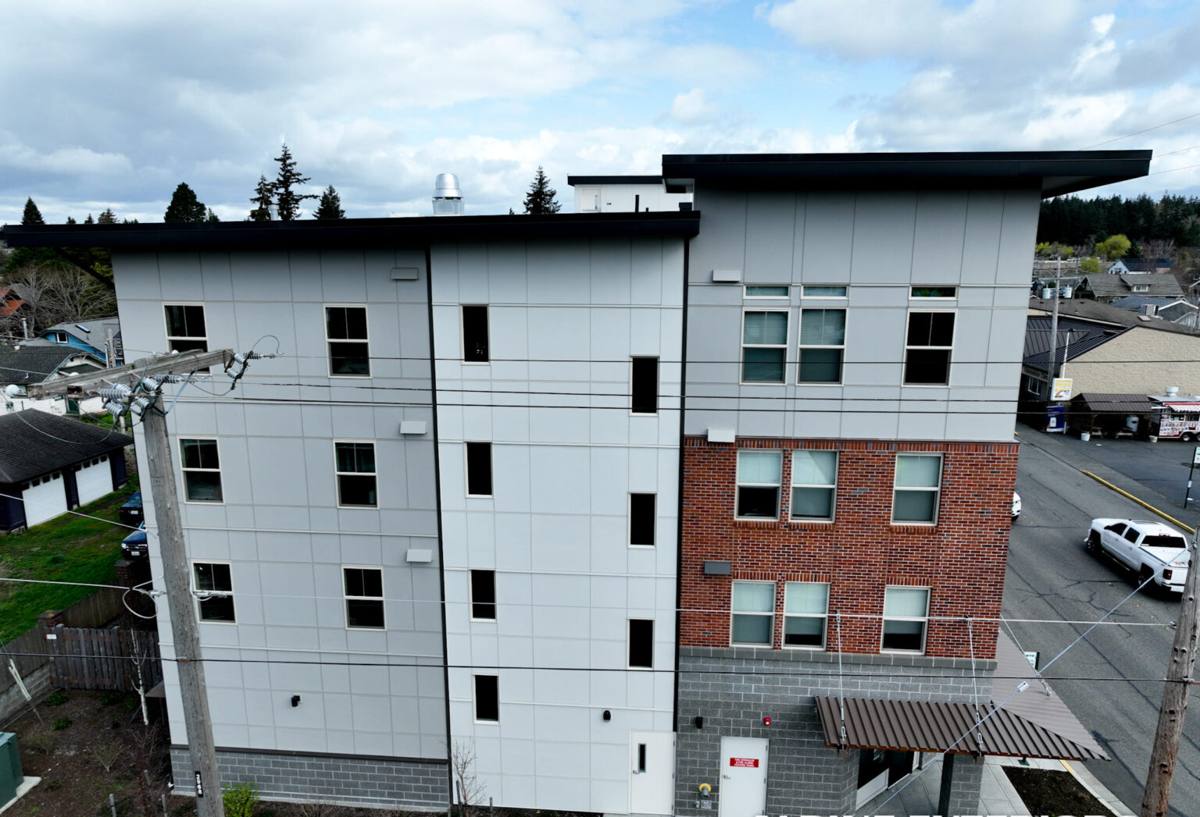
How Coastal Exposure Actually Damages Windows
UV and Heat
Florida sun is hard on window components most homeowners never think about. UV breaks down the seals and gaskets that keep glass units airtight, and constant heat cycling — hot days, cooler nights, air conditioning running behind the glass — stresses the seal between panes on double-pane windows. Once that seal fails, you get fogging or moisture between the panes, and at that point the insulated glass unit needs to be replaced; it can't be repaired.
Wind-Driven Rain
Rain that comes in sideways during a storm doesn't behave like rain falling straight down. It gets pushed into gaps around frames, under poorly sealed trim, and through aging weatherstripping. Over time this shows up as water staining on interior sills, soft spots in surrounding drywall or wood trim, or a musty smell that doesn't go away. It's often a sign the window's seal to the rough opening — not just the glass — has failed.
Salt Air
Salt in the air accelerates corrosion on anything metal — hinges, cranks, locks, balance mechanisms, and aluminum frame components. A window that operates smoothly when it's new can start sticking, binding, or resisting the lock within a few years near the coast if the hardware isn't built or finished for that exposure. This is one of the most common reasons we see otherwise sound windows fail early in homes near Belleair's waterways.
Repair or Replace? How We Make That Call
Not every window problem means a full replacement, and we don't push replacement when a repair will genuinely hold up. Here's roughly how we think about it:
- Repair usually makes sense for a single failed seal, a damaged screen, a stuck or misaligned sash, worn weatherstripping, or hardware that's corroded but the frame and glass are still sound.
- Replacement usually makes sense when multiple windows in a home are original and past 15-20 years old, when frames show rot or corrosion damage beyond the surface, when you're chasing recurring leaks around the same opening, or when energy bills and comfort are the real driver.
- Whole-home replacement is worth considering when a home still has builder-grade single-pane or early-generation windows — the efficiency and impact-resistance gap between those and current products is significant, especially this close to the water.
We'll tell you honestly which category your situation falls into. There's no benefit to us talking a homeowner into replacing windows that still have useful life left in them.
Impact Windows: What They Actually Buy You
For a coastal Pinellas County property, impact-rated windows are worth understanding even if you don't need them for code compliance. Impact glass uses a laminated interlayer, similar in principle to a windshield, so the glass can crack under wind-borne debris without opening a hole in the wall. That matters for two reasons beyond storm protection: it removes the need for separate shutters or panels, and it typically improves the window's performance against wind-driven rain and outside noise year-round, not just during storms.
The trade-off is upfront cost — impact windows cost more than standard units — and we're straightforward about that. For homes closer to the water or with a lot of west- or south-facing glass, most homeowners find the year-round benefits (rain intrusion resistance, noise reduction, insurance considerations) make the difference worth it over the life of the window. For more sheltered properties, a quality non-impact window paired with proper installation may be the more practical call. We'll walk through both honestly rather than defaulting to the more expensive option.
Frame Material Matters as Much as the Glass
The glass gets most of the attention, but frame material drives a lot of the long-term performance near salt air:
| Frame Material | Coastal Durability | Maintenance | Typical Trade-Off |
|---|---|---|---|
| Vinyl | Good — won't corrode or rust | Low; occasional cleaning | Can discolor or soften under prolonged intense UV over many years |
| Aluminum | Fair — prone to corrosion near salt air unless properly coated | Moderate; hardware needs attention | Strong and slim sightlines, but a poor coating shows pitting early in coastal exposure |
| Fiberglass | Very good — dimensionally stable, resists corrosion | Low | Higher upfront cost than vinyl |
| Wood-clad | Weakest near salt air unless meticulously maintained | High; needs regular sealing/painting | Best interior appearance, highest ongoing maintenance burden |
We don't install every material on that list on every job — we'll recommend what actually holds up for your specific exposure and budget, and explain the trade-off rather than just pushing what's easiest for us to install.
It's Not Just Windows: The Whole Exterior Works Together
Windows don't fail in isolation. A window can be installed and flashed correctly and still develop problems if the siding around it is trapping moisture, or if a roof leak is running water down behind the wall and showing up at the window sill. Because we handle siding, roofing, windows, and decks, we look at the whole envelope when we're on site, not just the one component you called about.
Siding and Windows
Proper flashing and sealing where siding meets a window frame is one of the most common places for leaks to start — and one of the easiest to get wrong if it's not done carefully. When we replace windows, we make sure the surrounding siding integrates cleanly, rather than just caulking around the gap and calling it done.
Roofing and Water Intrusion
A surprising number of "window leaks" we get called out for turn out to be roof or soffit issues, with water traveling down inside the wall cavity before it ever reaches a windowsill. Wind-driven rain during Gulf coast storms makes this worse, pushing water into gaps that would stay dry in a straight-down rain. We'll trace the actual source before recommending a fix.
Decks and Outdoor Living
Outdoor spaces near the water deal with the same sun and moisture exposure as the rest of the home, just with less protection. If you're planning window work alongside a deck refresh or repair, it's worth scheduling both at once — access and staging overlap, and it's one project instead of two separate disruptions to your property.
Why a Local Crew Makes a Real Difference Here
Anyone can sell a window. Installing it correctly for this specific coastal environment is a different matter. A crew that works Pinellas County regularly knows how salt air behaves on hardware over a few years, knows what wind-driven rain during a Gulf storm does to a poorly flashed opening, and has seen enough Belleair-area homes to recognize patterns — which directions take the worst weather, which construction eras tend to have particular issues, what actually holds up here versus what looks fine on a spec sheet.
That local experience also means faster response. If a storm damages a window or a leak shows up during hurricane season, you're not waiting on a crew driving in from another market. We're already working in this area.
What to Check Before You Call Anyone
A quick walk around your home can tell you a lot before you even need an estimate:
- Fogging or a hazy appearance between panes of glass (a failed seal, not a cleaning issue)
- Windows that are hard to open, close, or lock — often a sign of frame movement or corroded hardware
- Visible gaps, cracked caulk, or daylight around the frame edges
- Soft or discolored trim, drywall, or sill area near a window
- A musty smell near windows after rain, even without visible water
- Noticeably higher cooling bills without another clear cause
- Drafts you can feel with a hand near the frame on a windy day
Any one of these is worth a look. Several at once, especially across multiple windows, usually means it's time for a real evaluation rather than another round of caulk.
What Drives Cost on a Window Project
Every home is different, and we won't quote a number without seeing the actual openings, but these are the main factors that move a window project up or down in cost:
| Factor | Why It Matters |
|---|---|
| Number and size of openings | More or larger windows means more material and labor |
| Impact vs. non-impact glass | Impact-rated units cost more but reduce or eliminate the need for shutters |
| Frame material | Vinyl, fiberglass, aluminum, and wood-clad all sit at different price points |
| Condition of the rough opening | Rot or water damage behind the old window adds repair work before a new one goes in |
| Access and home layout | Second-story or hard-to-reach openings take more time and equipment |
| Trim and finish work | Matching existing interior or exterior trim can add scope |
Ready When You Are
If you're dealing with a window that's fogging, sticking, leaking, or just old enough that you're wondering whether it's worth fixing, we're happy to take a look and give you a straight answer — repair, replace, or leave it alone for now. We offer free, no-pressure estimates for homeowners in Belleair and the surrounding Pinellas County area, and since we handle windows alongside siding, roofing, and decks, we can flag anything else worth knowing about while we're there. Fill out the form below to get started.