 Clearwater Window
 Belleair Roofs Work Harder Than Most
Belleair sits close enough to the Gulf that salt-laden air, near-constant UV exposure, and wind-driven rain are part of daily life for every roof in the area, not just the ones facing the water directly. Add in the wind gusts that come through Pinellas County during tropical systems and even routine summer thunderstorms, and you've got a combination that ages an asphalt shingle roof faster here than it would inland. A roof that might get 20+ years of quiet service in a drier, calmer climate can start showing granule loss, seal failure, or lifted tabs well ahead of schedule if it wasn't built and installed with this environment in mind.
That's the real difference between a shingle roof that merely looks finished and one that's actually correct for a Belleair address. The materials, the fastening pattern, the underlayment, and the flashing details all need to account for wind uplift and moisture intrusion from day one, not as an afterthought once a problem shows up.
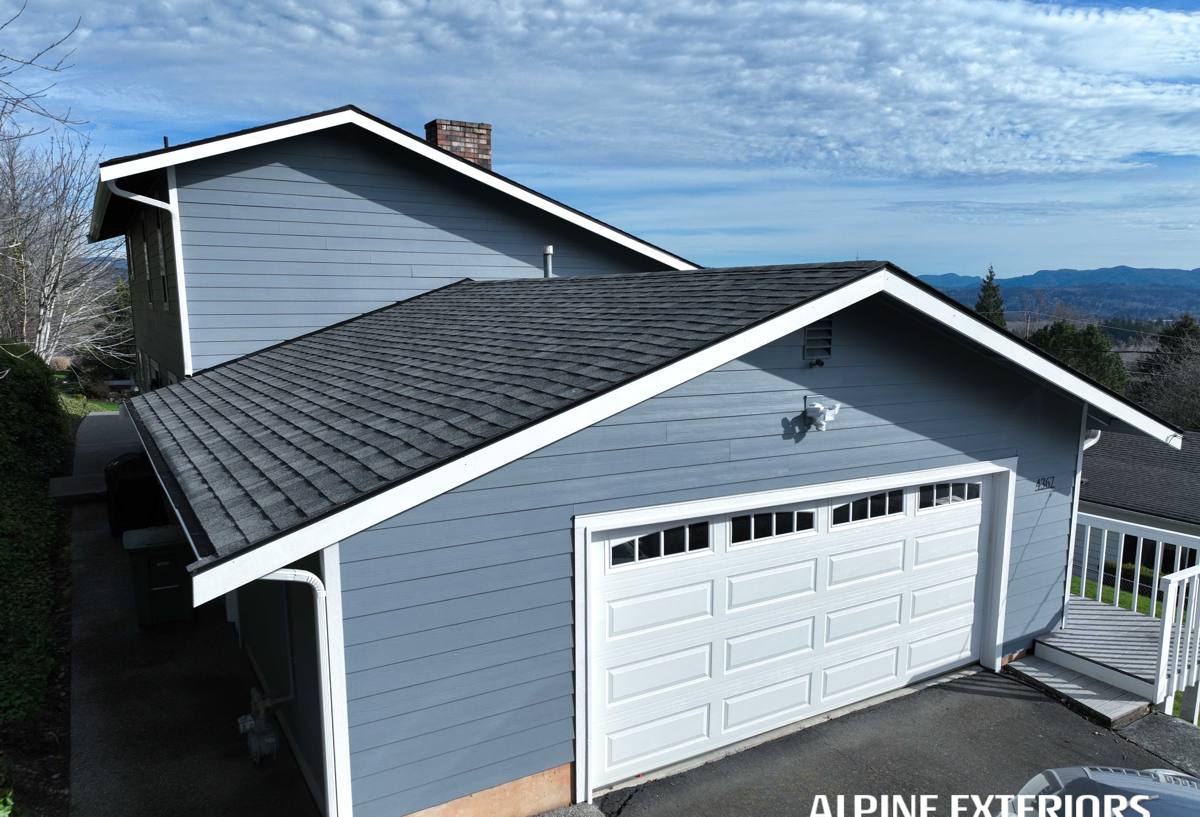
What a Correct Shingle Roof Looks Like Here
Shingle Selection and Wind Rating
Not every asphalt shingle sold at a supply house is rated for the wind speeds Pinellas County building code requires. We spec shingles with wind ratings that match or exceed local code minimums, and for most Belleair homes that means a laminated (architectural) shingle rather than a basic three-tab. The laminated construction has more surface area bonded to the roof deck and a heavier profile, which gives it meaningfully better wind resistance and a longer service life in coastal conditions.
Underlayment and the Secondary Water Barrier
Shingles are the visible layer, but the underlayment is what actually keeps water out if a shingle is ever damaged or lifted. In this climate we install a synthetic or self-adhering underlayment system that gives the roof deck a real secondary water barrier, not just a felt layer that's there to satisfy a checklist. Around valleys, eaves, and any area prone to wind-driven rain intrusion, that secondary barrier is what prevents a lifted shingle from turning into a ceiling stain.
Flashing Details
Most roof leaks that show up years after installation trace back to flashing, not the shingles themselves — step flashing at walls, counter-flashing at chimneys, and metal at every roof penetration (vent stacks, skylights, HVAC curbs). We flash these areas correctly the first time and don't rely on roofing cement as a substitute for proper metal work.
Ventilation
A hot, poorly ventilated attic bakes shingles from underneath, shortening their life regardless of how good the product is. We check ridge and soffit ventilation as part of every roofing job and correct it when the balance is off, since Florida's year-round heat makes this a bigger factor here than in most parts of the country.
Fastening and Wind Uplift Resistance
Correct nailing pattern matters more in Belleair than it does in a lot of the country. Manufacturer wind warranties are only valid if the shingle was installed with the specified number of fasteners, placed in the manufacturer's nailing zone, and driven flush (not overdriven or underdriven). We follow the fastening schedule that matches the wind rating we're installing to, and on homes exposed to open wind — corner lots, homes near open water, taller roof pitches — we often use the higher fastener count option even when code would allow fewer, because it's a small labor cost against a real reduction in wind-related callbacks.
Signs Your Belleair Roof Needs Attention
Most shingle roof problems give warning signs well before a leak shows up inside the house. Worth checking for periodically, especially after a named storm or a hard windy season:
- Granules collecting in gutters or at downspout outlets — a sign of shingle wear, not just normal runoff debris
- Shingle tabs that look curled, cupped, or lifted at the edges
- Bald or dark patches where granule loss has exposed the asphalt mat
- Cracked or missing shingles after a windstorm, even a small number
- Rust streaks or gaps around vent stacks, chimneys, or skylights
- Soft spots when walking the roof, or sagging visible from the ground
- Daylight visible through the attic decking, or musty odor in the attic
- Interior ceiling stains, especially near exterior walls or valleys
Any one of these on its own isn't necessarily an emergency, but they're worth having looked at before the next storm season rather than after a leak forces the issue.
How We Approach a Belleair Roofing Job
Inspection and Estimate
We start by getting on the roof, not just looking at it from the driveway. That means checking the deck condition, flashing, ventilation, and the actual extent of shingle wear before quoting anything, so the estimate reflects what your roof actually needs rather than a generic package price.
Tear-Off and Deck Prep
We remove the old roofing down to the deck rather than layering over it. This lets us inspect the decking itself for soft or delaminated plywood, which is common on older Belleair homes that have taken on some moisture over the years, and replace only the sections that actually need it.
Installation
Underlayment, flashing, and shingles go on in that order, with the fastening pattern matched to the wind rating discussed above. We keep the work area contained and clean up debris and nails from the property daily, not just at the end of the job.
Final Walkthrough
Before we consider the job finished, we walk the roof and the property with you, review the workmanship, and go over the paperwork you'll want on hand for warranty purposes and, if applicable, for your insurer's wind mitigation records.
Shingle Options and What They Cost to Consider
Every roof is different, but here's a general comparison of the shingle tiers homeowners in this area typically weigh against each other:
| Shingle Type | Typical Lifespan | Wind Performance | Best Fit |
|---|---|---|---|
| 3-Tab Shingle | Shorter end of the range | Lower wind rating, lighter profile | Budget-driven projects, rental properties |
| Architectural / Laminate | Mid-to-long range | Higher wind rating, better mat bonding | Most owner-occupied Belleair homes |
| Impact-Rated (Class 3/4) | Long range with proper care | Highest resistance to wind-driven debris | Open-exposure lots, insurance premium credits |
Beyond the shingle tier itself, the biggest cost factors on a real Belleair roof are the condition of the existing deck (how much plywood replacement is needed), the roof's complexity (valleys, penetrations, multiple pitches), and whether the ventilation system needs correction along with the reroof. We'll walk through each of these with you before any number gets put on paper.
Permits, Code, and Wind Mitigation
Pinellas County requires a permit for shingle roof replacement, and the installation has to meet current Florida Building Code wind provisions for this area. We handle the permit and inspection process as part of the job rather than leaving it to the homeowner. Once the new roof is in, it's also worth having a wind mitigation inspection done — insurers in Florida offer premium credits for verified features like secondary water barriers, roof deck attachment method, and roof-to-wall connections, and a recent reroof is often the best time to document those upgrades.
Why a Local Crew Matters for This Job
A roofing crew that already works regularly in Clearwater and the surrounding Pinellas County communities knows what actually holds up here versus what looks fine on paper. That includes knowing which flashing details tend to fail first in this salt air, how to sequence a job around Florida's afternoon storm patterns so a torn-off roof isn't left exposed overnight, and what the local permitting office actually wants to see on an inspection. It also means we're not a phone number that disappears after the invoice is paid — if a storm rolls through and you have a concern about your roof, you're calling a crew that's still working in your neighborhood, not chasing down an out-of-town outfit that moved on to the next region.
Keeping Your Roof Sound Between Services
A correctly installed shingle roof still benefits from a bit of homeowner attention in this climate. Rinsing off accumulated salt residue and debris periodically, keeping gutters clear so water isn't backing up under the shingle edge, trimming back overhanging branches that scrape granules loose, and having the roof looked at after any major storm all go a long way toward getting the full service life out of the materials. None of this requires climbing on the roof yourself — a quick visual check from the ground and a call to us if something looks off is usually enough.
If your Belleair home is due for a new roof, showing early wear, or you just want an honest read on what shape it's in, we're happy to take a look. Fill out the form below for a free, no-pressure estimate.