 Clearwater Window
 Why Decks in Coachman Ridge Take a Different Kind of Beating
A deck in Coachman Ridge doesn't fail the same way a deck in a drier, cooler climate does. Pinellas County stacks several stresses on top of each other, and they hit the structure year-round, not just during storm season. Intense UV exposure, often close to twelve months a year, breaks down the lignin in untreated or poorly sealed wood fibers, drying them out and making them brittle even before rot sets in. Add in the humidity and near-daily summer thunderstorms, and you get wind-driven rain that finds its way into board end grain, screw holes, and any gap where the deck meets the house.
Salt air is the part homeowners tend to underestimate. Coachman Ridge isn't a beachfront address, but Clearwater sits on a narrow peninsula between the Gulf and Tampa Bay, and salt-laden air travels well inland on prevailing winds. That aerosol settles on exposed metal fasteners, joist hangers, and railing hardware, and it accelerates corrosion even on decks that never see direct salt spray. Combine that with hurricane-season wind loads, and a deck built with standard-grade materials and generic hardware is working against four different failure modes at once: UV degradation, moisture intrusion, corrosion, and wind stress.
None of this means a deck in this neighborhood can't last. It means the materials, fasteners, and construction details have to be chosen for this climate specifically, not for a national average.
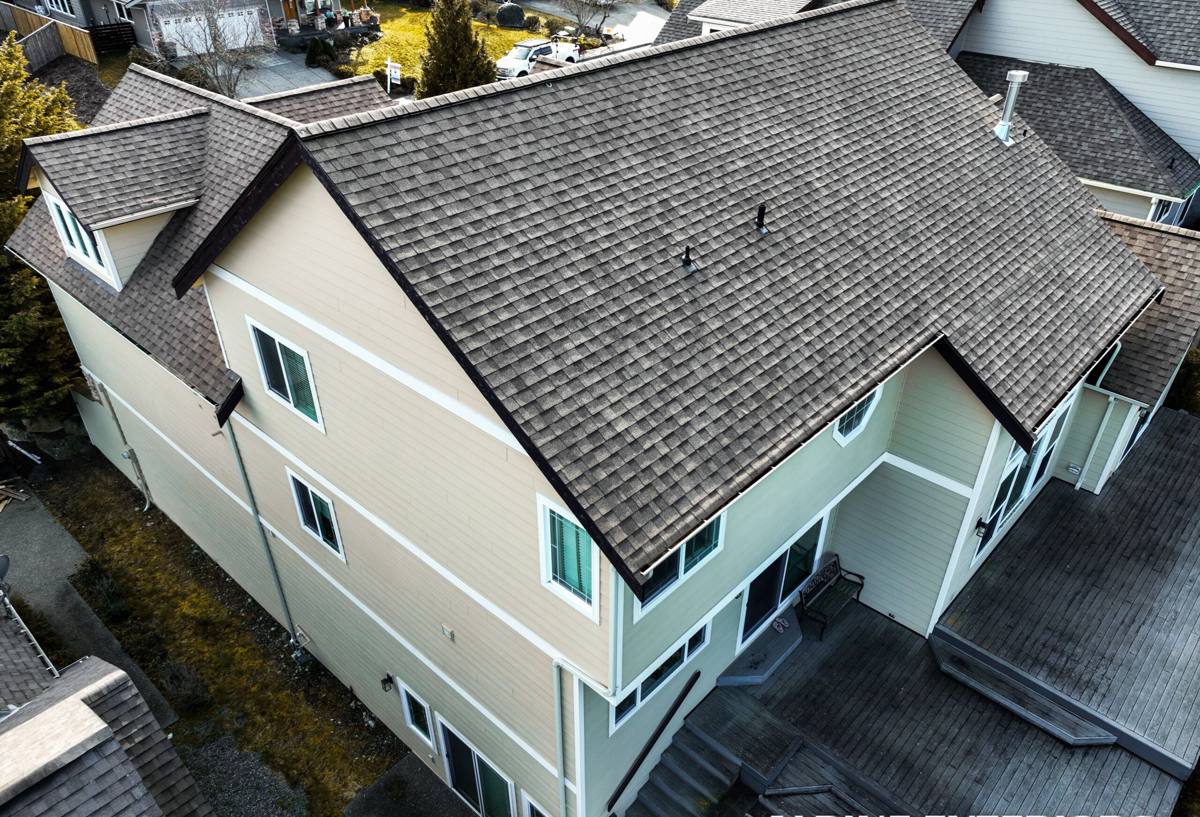
What a Correct Deck Replacement Actually Involves
"Replacing a deck" sounds simple, but the difference between a deck that lasts eight years and one that lasts twenty-five comes down to a handful of details that are easy to skip and hard to inspect once the boards are down.
Structural Framing and Fasteners
The framing underneath the decking is what actually holds the structure together, and it's also the part most homeowners never see again after the job is done. In this climate, framing lumber needs to be properly rated for its exposure, joist spacing needs to match the decking material's actual span rating (composite and PVC often require tighter spacing than wood), and every connector — joist hangers, post bases, hurricane ties — should be hot-dip galvanized or stainless, not the mill-standard coating found on a lot of hardware sold for drier regions. Cutting corners here is invisible on installation day and expensive to fix later.
Ledger Board and Moisture Control
The ledger board, where the deck attaches to the house, is the single most common failure point we see on decks in this part of Florida. If it isn't flashed correctly to shed water away from the band board and wall sheathing, moisture gets trapped behind the deck and rots the framing from the inside, often long before the surface decking shows any sign of a problem. Correct flashing detail here matters more than almost anything else in the whole project.
Permitting and Wind-Rated Construction
Deck replacement in Clearwater and unincorporated Pinellas County generally requires a building permit, because the structure has to meet Florida Building Code wind-load requirements, not just a generic deck-building standard. That means engineered footings sized for the soil and structure, connections rated for regional wind speeds, and inspections at the footing, framing, and final stages. A permitted job also means there's a record that the work meets code if the deck is ever part of an insurance claim or a home sale.
Choosing Decking Material for Clearwater's Climate
There's no single "best" decking material — there's a best fit for how much upkeep you want to do and how the material handles sun, moisture, and salt air over time. Here's how the common options compare for a Coachman Ridge install.
| Material | Upfront Cost | Maintenance | UV / Heat Behavior | Moisture & Salt Air Resistance |
|---|---|---|---|---|
| Pressure-treated wood | Lowest | Annual cleaning and re-sealing recommended | Grays and can splinter without upkeep | Vulnerable at fasteners and end cuts if not maintained |
| Tropical hardwood (e.g., ipe-type species) | High | Periodic oiling to maintain color | Naturally dense, handles UV well | Good, but hardware corrosion is still a factor |
| Capped composite | Mid-high | Low — occasional washing | Fade-resistant capping layer, stays cooler with lighter colors | Strong; the cap resists moisture wicking |
| PVC / cellular PVC | Highest | Lowest — no sealing ever needed | Excellent UV stability | Best — fully moisture-proof board material |
Wood costs less to install but asks for the most ongoing attention in this climate. Capped composite and PVC cost more up front but are built to shrug off the exact conditions — sun, humidity, salt aerosol — that wear a deck down here fastest. We'll walk through the real trade-offs for your budget and how you use the space, not just push the highest-margin product.
Signs Your Deck Needs Replacement, Not Just Repair
Homeowners often call about a repair and find out the deck has passed the point where patching makes sense. A few boards can usually be swapped out. Structural rot, corroded connectors, or a failing ledger board generally can't be spot-fixed safely.
- Boards feel soft, spongy, or flex noticeably when you walk across them
- Rust streaks running down from screws, nails, or metal connectors
- Visible gap or separation where the deck meets the house at the ledger board
- Wood at post bases or near ground contact feels crumbly or spongy to a screwdriver test
- Railings wobble or shift when pushed, even slightly
- Nail or screw heads have popped up above the board surface
- Wood has gone deeply gray and rough despite past sealing attempts
- The deck was never permitted or you're unsure it meets current wind-load code
If more than one or two of these apply, a full replacement is almost always the more honest recommendation, even when a repair would be the easier sale.
Our Deck Replacement Process
Assessment and Design
We start by inspecting the existing structure down to the framing where possible, checking for rot, the condition of the ledger connection, and how the deck's footprint fits your yard and how you actually use the space. This is also when we talk through material options and layout changes, if you want any.
Permitting
We handle the permit application and engineering documentation needed to meet Florida Building Code wind-load requirements for your property, and we schedule inspections at the required stages so the finished deck has a clean permit record.
Demolition and Framing
The old deck comes out down to the ledger and footings, which are reused only if they check out structurally — otherwise they're replaced. New framing goes in with corrosion-resistant hardware and correctly flashed ledger attachment before any decking is installed.
Decking, Railing, and Fasteners
Decking is installed to the manufacturer's span and fastening specifications for your chosen material, with railing systems and hardware selected to hold up against salt air exposure, not just meet minimum code.
Final Walkthrough and Inspection
The finished deck passes final permit inspection, and we walk the site with you to go over the completed work and any material-specific care before we call the job done.
Railings, Fasteners, and Hardware That Actually Hold Up
The decking surface gets most of the attention, but hardware is usually what fails first in a coastal-influenced climate like this one. Standard zinc-plated screws and connectors corrode faster here than in most of the country, and once a fastener starts rusting, it weakens its grip on the wood around it. We spec hot-dip galvanized or stainless fasteners and connectors for anything structural, and railing hardware rated for coastal exposure, even on projects that aren't waterfront. It costs more than the hardware-store standard, but it's the difference between hardware that's still solid at year fifteen and hardware that's staining and loosening by year five.
Why a Crew That Already Works Coachman Ridge Matters
Deck replacement done right depends on knowing the local permitting process, the inspection sequence Pinellas County and Clearwater expect, and the kind of framing and footing conditions common to homes in this area. A crew that's already pulled permits and passed inspections on decks nearby isn't guessing at what the inspector will flag or how long the process realistically takes — they've done it enough times to plan the job around it instead of around surprises. That familiarity also means fewer change orders and a schedule that accounts for Florida's storm season instead of getting blindsided by it.
Living With Your New Deck
Whatever material you choose, a little seasonal attention keeps a Clearwater deck performing the way it should. Wood and hardwood decking benefit from an annual inspection of the finish and a re-seal when water stops beading on the surface. Composite and PVC need far less — mostly just periodic washing to clear pollen, salt residue, and organic debris before it can hold moisture against the board. On any material, it's worth glancing at fastener heads and railing connections once a year, since that's where corrosion shows up first.
If your current deck is showing its age, or you're planning a replacement before it becomes a safety issue, we're happy to take a look and give you a straightforward, no-pressure estimate — just fill out the form below.