 Clearwater Window
 Skycrest and the Realities of Clearwater's Climate
Skycrest sits inland enough from the Gulf to feel like a break from beach-front exposure, but the difference is smaller than most homeowners assume. Clearwater and the rest of Pinellas County are a peninsula wrapped in water on nearly every side, and salt-laden air, intense UV, and wind-driven rain reach neighborhoods like Skycrest just as reliably as they reach anything sitting on the sand. Add in the hurricane-force wind events that Tampa Bay has to plan for every season, and the windows on a Skycrest home are doing more work than most people realize just by hanging in the wall.
We work this neighborhood regularly, alongside the rest of our roofing, siding, and deck jobs across Clearwater. That means we're not guessing about how a Skycrest house behaves in August humidity or a February cold snap — we've already been in the attic, on the roof, and standing in the driveway with the homeowner talking through what actually needs to happen.
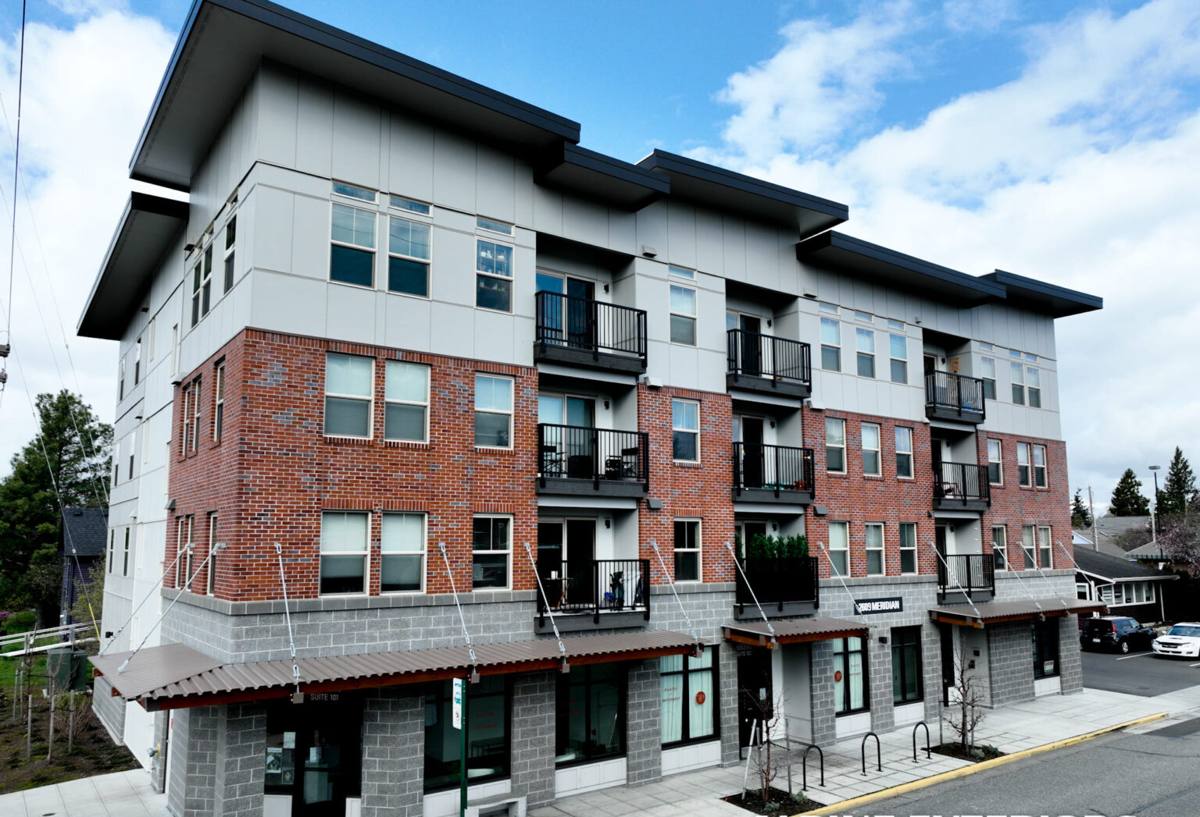
How the Gulf Coast Environment Wears Down Windows
UV Exposure
Florida sun is relentless almost year-round, not just in summer. UV breaks down vinyl frames, dries out old glazing compounds, and fades interior finishes near south- and west-facing glass. Windows that were fine ten years ago start showing chalky frames, warped sashes, or seals that no longer sit flush.
Salt Air and Humidity
Even inland of the beach, salt particles carried on Gulf breezes settle on hardware, screens, and metal components. Combined with Florida's constant humidity, this accelerates corrosion on hinges, locks, and balance mechanisms faster than it would in a drier or land-locked climate.
Wind-Driven Rain
Pinellas County doesn't just get rain — it gets rain pushed sideways by wind, which finds every gap in an aging window's weatherstripping or frame seal. This is usually how homeowners first notice a problem: water staining below a sill, or a musty smell in a wall cavity that traces back to a leaking window rather than the roof.
Hurricane-Force Wind Loads
Pinellas is a designated wind-borne debris region under the Florida Building Code, which means window performance during a storm isn't optional — it's structural. A window that fails under wind pressure or debris impact can take pressure loads inside the house that stress the roof structure from underneath, which is part of why window and roofing decisions in this area are connected, not separate projects.
What This Looks Like in Skycrest Specifically
Skycrest, like a lot of established Clearwater neighborhoods, has a mix of home ages and window generations. Some houses still carry original single-pane aluminum-frame windows or older jalousie-style units from a prior era of Florida construction. Others have had one or two rounds of replacement windows installed over the decades, with varying quality depending on who did the work and when. We don't assume anything about a given house until we've actually looked at the frames, the flashing, and how the opening was built out originally — that inspection is what drives an honest recommendation, not a sales script.
Common issues we run into on inspection calls in this kind of neighborhood:
- Single-pane glass with no meaningful wind or impact rating
- Aluminum frames that have pitted or corroded from decades of salt air exposure
- Foggy or "milky" double-pane glass where the seal has failed and moisture has gotten between the panes
- Caulking and flashing around the window opening that has dried out, cracked, or was never properly detailed to begin with
- Windows that technically open and close but no longer lock tight or seal against wind-driven rain
Impact Windows: Our Standard Recommendation, and Why
For most Skycrest homeowners replacing windows today, we recommend impact-rated windows rather than standard windows paired with separate shutters. Impact glass is built with a laminated interlayer, similar in concept to a windshield, so the glass can crack under debris impact without opening a hole in the building envelope. That matters for two reasons: it protects the house during a storm, and it removes the daily hassle of installing and storing shutters or panels every time a storm threatens.
We're not going to tell you shutters are a bad product — plenty of homes use them successfully. Our position is a practical one: shutters only work if someone is home and able to put them up before a storm arrives, and Pinellas County storms don't always give generous notice. Impact windows are protection that's already in place, every day of the year, without depending on anyone remembering to act.
Impact Windows vs. Standard Windows With Shutters
| Factor | Impact-Rated Windows | Standard Windows + Shutters |
|---|---|---|
| Storm protection readiness | Always in place, no action needed | Depends on shutters being installed in time |
| Daily UV and noise reduction | Laminated glass cuts UV transmission and outside noise year-round | No benefit unless shutters are closed |
| Upfront cost | Higher per window | Lower window cost, but shutters add their own expense |
| Curb appeal | No visible change to the home's exterior | Shutters or panels change the home's look when deployed |
| Long-term maintenance | Standard window upkeep only | Shutter tracks, hardware, and storage need upkeep too |
Our Window Replacement Process
The process is the same whether it's one window or a whole-house replacement — what changes is the schedule, not the steps.
- On-site inspection. We look at every opening, check the framing and flashing condition, and talk through what you're actually trying to solve — storm protection, energy costs, leaks, or just windows that don't function anymore.
- Product selection. We walk through frame material, glass package, and impact rating options based on your home's exposure and your budget, without pushing a single "one size fits all" product.
- Measurement and ordering. Windows are measured to the actual opening, not a catalog size, since older Florida homes often have openings that have shifted slightly over the decades.
- Permitting. Window replacement in Pinellas County requires a permit and inspection under the Florida Building Code. We handle that paperwork so you're not the one navigating the county process.
- Installation. Old units come out, the opening is checked and re-flashed as needed, and new windows go in properly sealed and shimmed — not just caulked over the old gaps.
- Final inspection and walkthrough. We confirm the county inspection passes and walk the job with you before calling it done.
Beyond Windows: How This Ties Into Roofing, Siding, and Decks
Windows don't fail in isolation. A leaking window can point to a flashing problem that also affects the siding around it, and a roof that's shedding water improperly can put extra stress on the windows below it. Because we handle siding, roofing, windows, and decks, we're able to look at a Skycrest home as one system rather than quoting a window job while ignoring a roofing issue that's actually driving the water intrusion. If your inspection turns up something outside the original scope — a soft spot in the siding, a section of roof near end of life, a deck that's seen better days — we'll tell you plainly instead of quietly working around it.
Why a Local Clearwater Crew Matters Here
Window installation in a wind-borne debris region isn't a generic skill — it's specific to how Florida Building Code inspectors expect flashing, fastening, and sealing to be done, and that knowledge comes from doing the work here repeatedly, not from a national playbook. A local crew also means someone can get back out to a Skycrest home quickly if a question comes up after installation, rather than routing a service call through a call center. We're not a franchise passing through Pinellas County — this is the area we work in every week.
What Drives Window Replacement Cost
Every home is different, but the same handful of factors move the price up or down on most Skycrest jobs:
| Cost Factor | Why It Matters |
|---|---|
| Frame material | Vinyl, aluminum, and fiberglass carry different price points and different long-term maintenance needs |
| Impact rating | Impact-rated glass costs more per unit than standard glass but removes the need for separate storm protection |
| Number and size of openings | Larger openings and unusual shapes (bay windows, oversized picture windows) cost more to fabricate and install |
| Condition of the existing opening | Rotted framing, damaged flashing, or out-of-square openings add labor beyond a straight swap |
| Permitting and inspection | A standard cost in Pinellas County, but it's part of doing the job to code, not an optional add-on |
We give exact numbers after seeing the actual openings — anyone quoting a firm price over the phone for a Florida wind-zone home hasn't seen what they're pricing.
Signs It's Time to Replace, Not Repair
- Glass that's permanently foggy or has visible moisture between the panes
- Frames that are soft, cracked, or corroded rather than just cosmetically worn
- Windows that won't lock securely or don't seal tight against wind-driven rain
- Noticeable drafts or a jump in cooling costs during Florida's long summer stretch
- Visible water staining on the wall or sill below the window
- Single-pane or non-impact glass with no wind rating on a home that needs storm protection
If a home only shows one or two of these on a single window, repair may be reasonable. Once several windows on a house show this pattern, replacement usually ends up being the more cost-effective path over standard repair-by-repair maintenance.
Get a Free, No-Pressure Estimate
If you're weighing window replacement for a Skycrest home — whether it's storm protection, a leak you can't pin down, or windows that have simply aged out — we're happy to come take a look and give you a straight assessment. There's no obligation and no pressure, just an honest read on what your home actually needs. Use the form below to request your free estimate.