 Clearwater Window
 Windows Built for Countryside's Climate
Countryside sits inland from the immediate coastline but still lives under the same Pinellas County sun and storm exposure as the rest of Clearwater. That means the windows on a Countryside home are doing more work than most homeowners realize. Between hurricane season wind and rain, months of intense UV exposure, and the salt-laden air that drifts across the county even a few miles from the water, window frames, seals, and glass here age differently than they would in a drier, milder climate. A window that would last decades in a northern state can start showing stress in half that time on the Gulf Coast if it wasn't built or installed with that reality in mind.
We work on homes throughout Countryside and the surrounding Clearwater area, and the patterns repeat: failed seals letting in humidity, sun-baked vinyl going brittle and discolored, and older aluminum-frame windows that were never rated for the wind loads Pinellas County now requires. None of that is a surprise once you understand what these windows are actually up against year-round.
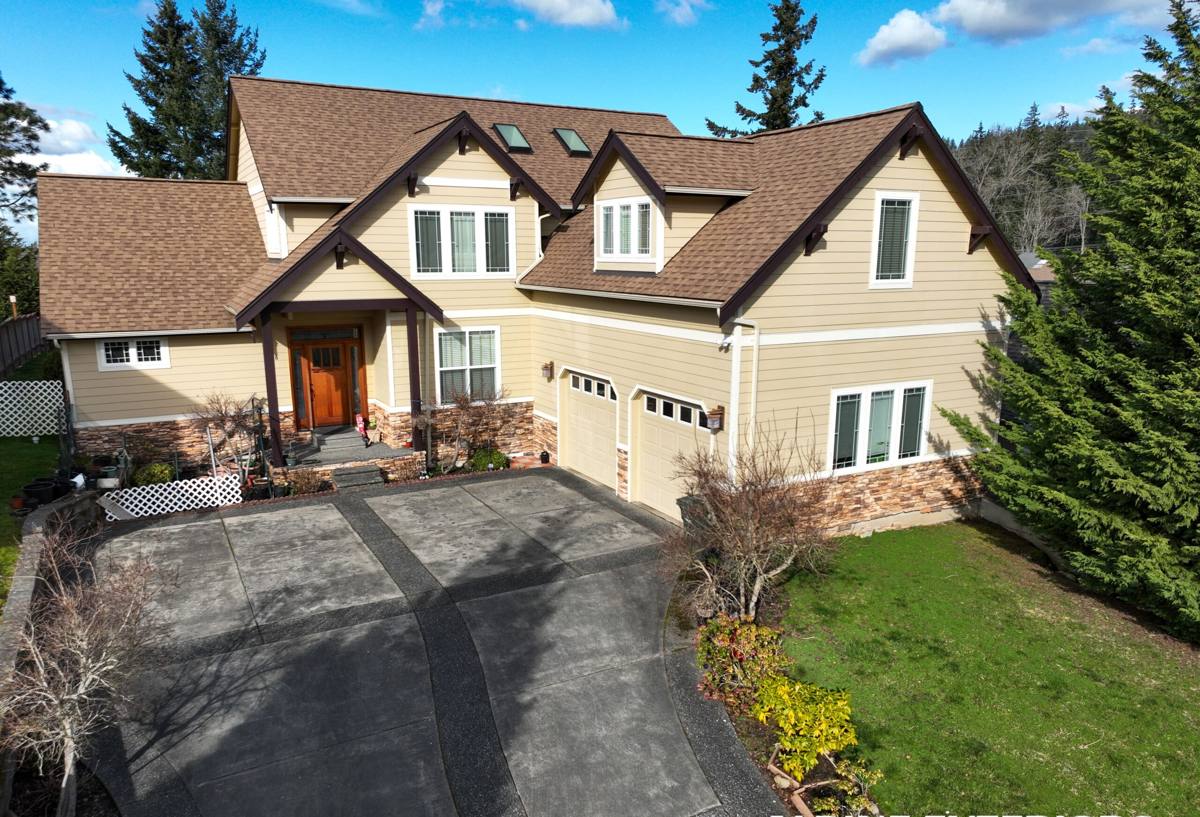
What Countryside Homes Are Up Against
Hurricane-Force Wind and Wind-Driven Rain
Even homes that never take a direct hit still get repeatedly tested by tropical storms and the outer bands of hurricanes that pass through the Gulf. Wind-driven rain is the bigger day-to-day threat — it doesn't take a major storm to push water sideways into a window that has a compromised seal or aging weatherstripping. Over enough storm seasons, that water finds its way into the wall cavity, and by the time it shows up as a stain on an interior sill, the damage has usually been building for a while.
Intense, Nearly Year-Round UV
Florida sun is a slower but steadier problem. UV exposure breaks down vinyl frames, dries out glazing compounds, and fades window treatments and flooring near south- and west-facing glass. Low-E and UV-filtering glass packages exist specifically because standard clear glass in this climate lets in more heat and more fading potential than most homeowners want.
Salt Air and Corrosion
Countryside isn't beachfront, but Pinellas County is a peninsula, and salt-laden air travels. Metal window hardware, screen frames, and especially older aluminum window frames are vulnerable to corrosion over time, even set back from the coast. It's usually a slower process than what waterfront homes see, but it's not nothing over a 15- or 20-year window lifespan.
Heat and Humidity Load
Between the heat and the humidity, older or poorly sealed windows also drive up cooling costs and can contribute to condensation issues between panes or around frames — a sign the seal has failed and the insulating gas fill (on double-pane units) has escaped.
Signs a Window Needs Attention
- Fogging or condensation between panes of double-pane glass — the seal has failed
- Frames that feel soft, warped, or show visible cracking, especially on vinyl
- Difficulty opening, closing, or locking a window that used to operate smoothly
- Visible daylight or a draft around the frame when the window is closed
- Water staining on the wall or sill below or beside the window
- Noticeably higher cooling bills without another clear cause
- Chalky, faded, or discolored vinyl or aluminum frames
- Rattling or excessive noise transfer during wind or storms
Any one of these can be a minor fix. Several at once, especially on a home with its original windows, usually points to replacement being the more cost-effective long-term move.
Impact Windows vs. Standard Windows with Storm Protection
One of the first decisions homeowners in this area face is whether to install impact-rated windows or stick with standard windows paired with separate storm shutters or panels. Both are legitimate approaches, and the right one depends on budget, how the home is used, and personal preference around daily convenience.
| Factor | Impact-Rated Windows | Standard Windows + Shutters/Panels |
|---|---|---|
| Upfront cost | Higher per opening | Lower window cost, added shutter/panel cost |
| Storm prep effort | None — always protected | Requires installing panels/shutters before a storm |
| Daily noise reduction | Noticeably better, year-round | No benefit unless panels are up |
| UV and fading control | Built into the laminated glass | Depends on the glass package chosen |
| Insurance premium impact | Often eligible for wind mitigation credits | Credits usually tied to the shutter system, not the window |
| Aesthetics | Clean, unobstructed look at all times | Shutters/panels visible when deployed or stored |
We'll walk through both options honestly during an estimate, including what your specific insurance carrier tends to credit — that varies enough that we don't like to promise a number until we've seen your policy.
Frame Materials: What Holds Up Here
Frame material matters as much as the glass in this climate. We install and work with a range of options, and each has real trade-offs worth understanding rather than a single "best" answer:
| Material | Strengths in this climate | Trade-offs |
|---|---|---|
| Vinyl | Won't corrode, good insulator, lower cost | Quality varies widely by manufacturer; cheaper vinyl can yellow or warp under sustained UV |
| Aluminum | Strong, slim sightlines, common in impact-rated systems | Conducts heat more than vinyl; hardware needs corrosion-resistant coatings near salt air |
| Fiberglass | Very stable dimensionally, resists warping and fading | Higher material cost than vinyl |
| Wood (clad) | Interior appearance, insulating value | Highest maintenance burden in humid, salt-exposed climates — we're selective about where we recommend it |
We steer homeowners away from bare, uncoated wood frames on exterior-exposed openings in this part of Florida — not because wood is a bad material generally, but because the maintenance schedule needed to keep it sound here is more demanding than most people want to sign up for. Clad wood, vinyl, aluminum, and fiberglass all give better long-term value for the climate.
Florida Building Code and Wind Zone Considerations
Pinellas County falls under Florida's stringent building code requirements for wind-borne debris regions. Replacement windows have to meet specific pressure and impact ratings tied to your home's wind zone, and permitting is required for most window replacement work — this isn't optional paperwork, it's what protects you if there's ever a warranty or insurance question down the road. We pull the required permits and make sure the products we install carry the Florida Product Approval documentation your county inspector will look for.
Our Installation Process
Every job starts with an honest look at your existing openings, not just a sales pitch for the newest product. That means:
- An in-person assessment of your current windows, frames, and any signs of underlying moisture or structural issues
- A clear explanation of which product tiers actually make sense for your home's exposure and your budget
- Accurate measurement and ordering — Florida's supply chains for impact glass can run several weeks, so we set expectations up front
- Proper flashing and sealing at installation, which matters at least as much as the window itself for keeping wind-driven rain out
- Permitting and inspection handled as part of the job, not left for you to sort out
Why a Local Crew Matters
Window installation quality in this climate comes down to details that are easy to get wrong: flashing sequence, sealant selection, and fastening patterns that meet the wind load requirements for your specific zone. A crew that works in Pinellas County day in and day out knows what inspectors here are checking for and has seen firsthand what happens when a window is installed to a lower standard — the seal failures and water intrusion we get called out to fix are almost always installation issues, not product defects. We're also the ones you can reach after the job is done if a question comes up during the next storm season, rather than a national installer working from a call center out of state.
Beyond Windows: The Rest of Your Home's Exterior
Windows don't fail in isolation. A home with worn-out windows in Countryside often has a roof, siding, or attached deck that's dealt with the same years of sun and storms. Because we handle siding, roofing, windows, and decks, we can look at the whole exterior envelope during a window estimate and flag anything else worth watching — a soft spot near a window header that traces back to roof flashing, for instance, or siding that's no longer shedding water the way it should. You're not obligated to act on any of it; it's just part of doing an honest assessment rather than a narrow one.
Keeping Your Windows Sound Between Projects
- Rinse frames and tracks periodically to clear salt residue and grit, especially after storms
- Check and clean weep holes so water can drain properly out of the frame
- Inspect caulking and weatherstripping annually and before hurricane season
- Lubricate hardware and tracks to keep locks and rollers working smoothly
- Watch for condensation between panes as an early sign of seal failure
- Trim vegetation and irrigation spray away from window frames to reduce moisture exposure
If your Countryside home has windows that are struggling to keep up with what Clearwater's climate throws at them, we're happy to take a look. We offer free, no-pressure estimates — just an honest read on what your windows need and what your options actually cost, with no obligation to move forward.