 Clearwater Window
 Siding Installation for Countryside Homes in Clearwater
Countryside is one of Clearwater's larger established residential areas, built out mostly from the 1970s through the 1990s with a mix of single-family homes, patio homes, and villas. A lot of that original siding — whether it was old lap board, aging vinyl, or a previous fiber cement job that wasn't installed to spec — is now well past the point where patching makes sense. When a Countryside homeowner calls us about siding, the conversation usually isn't "do I need new siding," it's "what should go up in its place, and who's going to install it correctly."
This page is about that second question, specific to this neighborhood. We're not going to repeat a generic siding overview here — we're going to talk about what Countryside homes specifically deal with, what correct installation actually requires in this climate, and why we've built our process around one product line instead of offering a menu of options.
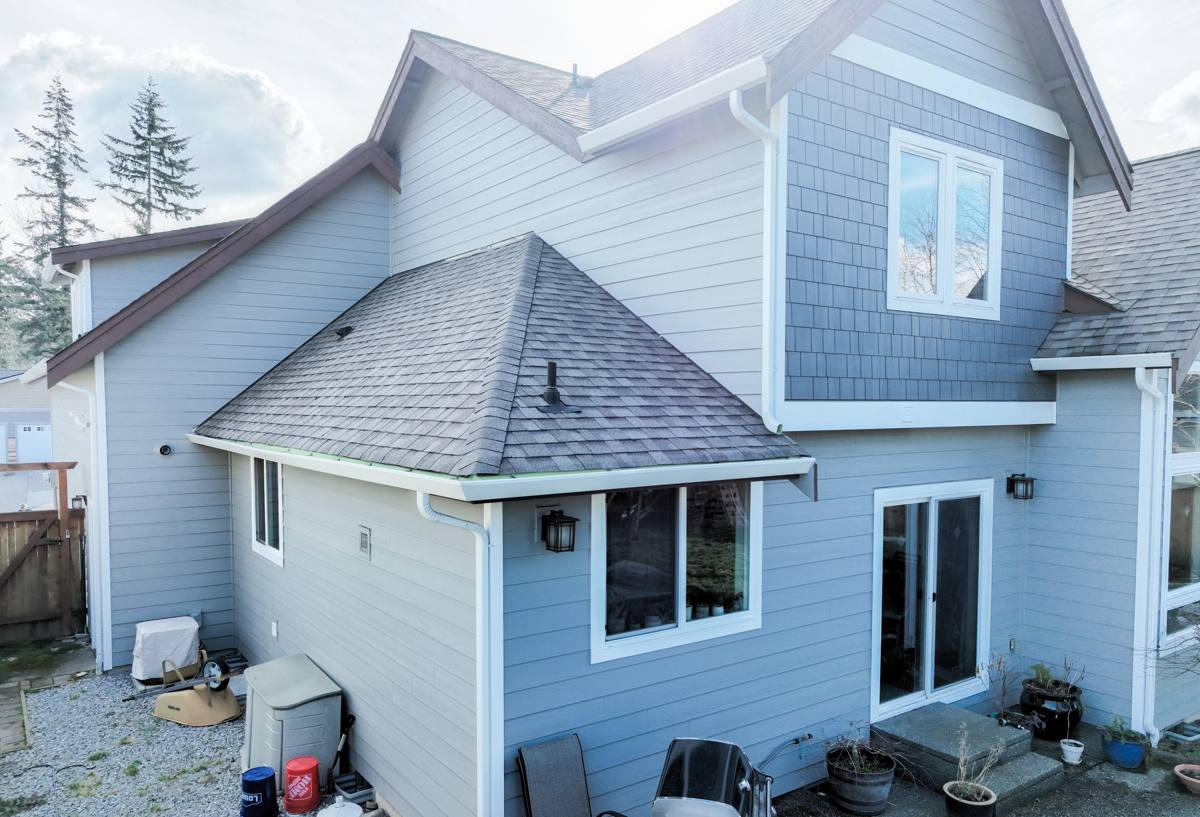
What Pinellas County Climate Does to Siding
Clearwater and the rest of Pinellas County sit in a coastal, hurricane-exposed climate, and Countryside's inland-of-the-beach location doesn't exempt it from any of the four things that wear siding down fastest:
- Hurricane-force wind: Even homes several miles from the water take direct wind loading during tropical systems. Siding that isn't fastened to manufacturer spec becomes the first thing that peels, cracks, or blows off.
- Intense, year-round UV: Florida sun runs hard on siding color and substrate integrity twelve months a year, not just in summer. Cheap or poorly-sealed finishes chalk, fade, and become brittle faster here than almost anywhere else in the country.
- Wind-driven rain: Storms in this area rarely fall straight down. Rain gets pushed sideways into wall assemblies, which means the water management behind the siding — flashing, house wrap, laps, caulking — matters as much as the siding itself.
- Salt air: Even away from the immediate coastline, salt-laden air moves inland on sea breezes and slowly attacks fasteners, trim, and any material not built to resist it.
None of this is unique to Countryside — it's true across Clearwater and Pinellas County generally. But it's worth saying plainly because it's the entire reason siding choice and installation quality matter more here than they would in a drier, calmer climate.
Where Older Countryside Siding Jobs Tend to Fail
Original Construction-Era Siding
Homes from Countryside's main build-out decades often went up with whatever siding was standard and inexpensive at the time — wood-based products or early composite boards not engineered for this climate. Decades of UV and moisture cycling have usually left this siding soft at butt joints, delaminating at the surface, or holding paint poorly no matter how many times it's been repainted.
Vinyl Replacements
A common second act for these homes was a vinyl siding replacement at some point in the last 20-30 years. Vinyl handles rain fine but has real limits in a hurricane-wind zone — it can crack in impacts, deform in high heat against dark colors, and pull loose from fastener strips in sustained wind events. We'll talk about this more below.
Fiber Cement Installed Off-Spec
We also see homes where fiber cement siding was already installed at some point, but incorrectly — face-nailed instead of properly fastened, joints butted tight with no gap, or trim and flashing details skipped to save labor. Fiber cement is an excellent material, but it only performs to its engineering when it goes up correctly. A bad installation of a good product still fails.
What a Correct Siding Installation Actually Involves
Whatever the starting condition, a correct siding job on a Countryside home involves the same non-negotiable steps. Skipping any of them is how homeowners end up back in the same position ten years later.
Tear-Off and Substrate Inspection
Old siding comes off down to the sheathing so we can actually see what's underneath — soft wood, hidden moisture damage, or rot around windows and penetrations. You can't install new siding correctly over a compromised substrate; problems found here get repaired before anything new goes up.
Water-Resistive Barrier and Flashing
A weather-resistant barrier goes over the sheathing, and flashing gets properly integrated at every window, door, and penetration — overlapped in the correct shingle-style order so wind-driven rain has nowhere to get behind the siding. This layer does more long-term work than the siding itself.
Manufacturer-Spec Fastening
Fastener type, spacing, and placement all follow the manufacturer's published requirements for this wind zone — not a generalized "close enough" pattern. This is the single most common shortcut we see in bad installs, and it's the difference between siding that survives a named storm and siding that doesn't.
Joints, Clearances, and Caulking
Board joints get correct gapping and sealing, siding is held to proper clearance off roof lines, decks, and grade, and every seam that needs sealant gets it — done right the first time rather than papered over with caulk during a future service call.
Fiber Cement vs. the Alternatives
We install exclusively James Hardie fiber cement siding. We don't offer vinyl, LP SmartSide, Cemplank, Allura, or primed wood species like spruce or cedar, and we think Countryside homeowners deserve an honest explanation of why, not just a sales pitch for what we do sell.
| Material | Where It Falls Short Here | Why We Don't Install It |
|---|---|---|
| Vinyl siding | Can crack or deform under intense heat and impact; fastener strips can loosen in sustained hurricane wind | Not the durability profile we're willing to stand behind in this wind zone |
| LP SmartSide (engineered wood) | Wood-strand core is more moisture-sensitive over time than fiber cement, especially with wind-driven rain exposure | Long-term moisture performance doesn't match what we require for coastal Florida |
| Primed spruce or cedar | Natural wood movement and moisture uptake mean higher maintenance and shorter service life in humid, storm-exposed climates | Maintenance burden and longevity don't fit what we want to deliver |
| Cemplank / Allura fiber cement | Also fiber cement, but we've standardized on one manufacturer's system, warranty, and factory finish for consistency | We know the Hardie product line, installation specs, and warranty terms thoroughly — that consistency is worth more than offering every brand |
James Hardie's fiber cement is non-combustible, dimensionally stable in heat and humidity, and available in HZ5 products engineered specifically for high-humidity, storm-prone climates like ours. The factory-applied ColorPlus finish holds color far longer under constant Florida UV than a job-site paint job, and the transferable warranty backs the product for the timeframe homeowners actually care about — through a sale, not just while you own the home.
Our Installation Process
- On-site assessment: We walk the home, check existing siding and substrate condition, and identify problem areas — moisture damage, poor prior installation, storm damage — before quoting anything.
- Product and color selection: We walk through the relevant James Hardie lines and ColorPlus options for the home's style and HOA or neighborhood expectations, where applicable.
- Tear-off and prep: Old siding and trim come off, substrate gets inspected and repaired as needed, and the weather barrier goes on correctly.
- Installation to spec: Fastening, flashing, joints, and clearances all follow manufacturer requirements for this wind zone — not a generic install pattern.
- Trim, caulking, and final detail: Every seam and transition gets finished properly, not just visually but functionally.
- Walkthrough and cleanup: We review the finished work with the homeowner and clear the site fully before we call the job done.
Signs a Countryside Home May Need Siding Attention Now
- Visible cracking, buckling, or warping anywhere on the siding surface
- Soft spots when you press on boards, especially near the bottom courses or around windows
- Paint that's peeling or chalking heavily despite being repainted in recent years
- Gaps opening up at joints, corners, or trim that weren't there a year or two ago
- Visible fastener heads, popped nails, or boards that have shifted slightly out of line
- Rising energy bills that track with visible siding deterioration, suggesting compromised insulation or air sealing behind the boards
Any one of these on its own might just need a repair. Several at once, or on siding that's already 15-20+ years old, usually means it's time to talk about full replacement before a storm forces the issue.
What Affects the Cost of a Countryside Siding Job
| Factor | Why It Matters |
|---|---|
| Home size and complexity | More square footage, corners, gables, and roof lines mean more material and labor |
| Substrate condition | Hidden rot or moisture damage found during tear-off adds repair scope before new siding can go up |
| Product line and finish | James Hardie offers multiple board profiles and ColorPlus finish tiers, which affect material cost |
| Trim and detail work | Homes with more window/door trim, fascia, and architectural detail take more finishing labor |
| Access and site conditions | Fencing, landscaping, tight lot lines, and multi-story sections can add labor time |
We give a written, itemized estimate after the on-site assessment — not a phone-quoted range — because these factors genuinely vary house to house, even within the same neighborhood.
Why It Matters That We Already Work in Countryside
A crew that regularly works this neighborhood already knows the housing stock — the era-typical construction details, the common substrate issues under older siding, and what HOA or community expectations tend to look like for exterior changes. That familiarity shows up in faster, more accurate assessments and fewer surprises once tear-off starts. It also means we're a known, findable local business if a warranty question or storm-related concern ever comes up years down the road — not a crew that worked the area once and moved on.
We're a Clearwater-based siding contractor serving Pinellas County, and Countryside is a neighborhood we know well. If your home's siding is showing its age, or you're planning ahead of the next storm season, we're glad to come take a look, walk you through what we're seeing, and put together a straightforward, no-pressure estimate — no obligation, just an honest read on where things stand. Use the form below to get started.