 Clearwater Window
 Windows on a Barrier Island Take a Different Kind of Beating
Indian Rocks Beach sits on a narrow strip of land between the Intracoastal Waterway and the Gulf of Mexico, and that location changes what a window has to survive. Homes here deal with a combination most inland Pinellas County properties never see at the same intensity: constant salt-laden air, unfiltered coastal sun, wind-driven rain that gets pushed sideways during storms, and the periodic threat of hurricane-force wind loads. Any one of those on its own is manageable. Together, over years, they wear down window frames, seals, hardware, and glazing faster than homeowners expect.
We work throughout the Clearwater area, and Indian Rocks Beach is one of the barrier island communities where we see window failures show up earlier than they would a few miles inland. That's not a sales pitch — it's just what salt air and constant UV exposure do to building materials over time. Understanding why helps explain how we approach window projects out here differently than we might on the mainland side of Pinellas County.
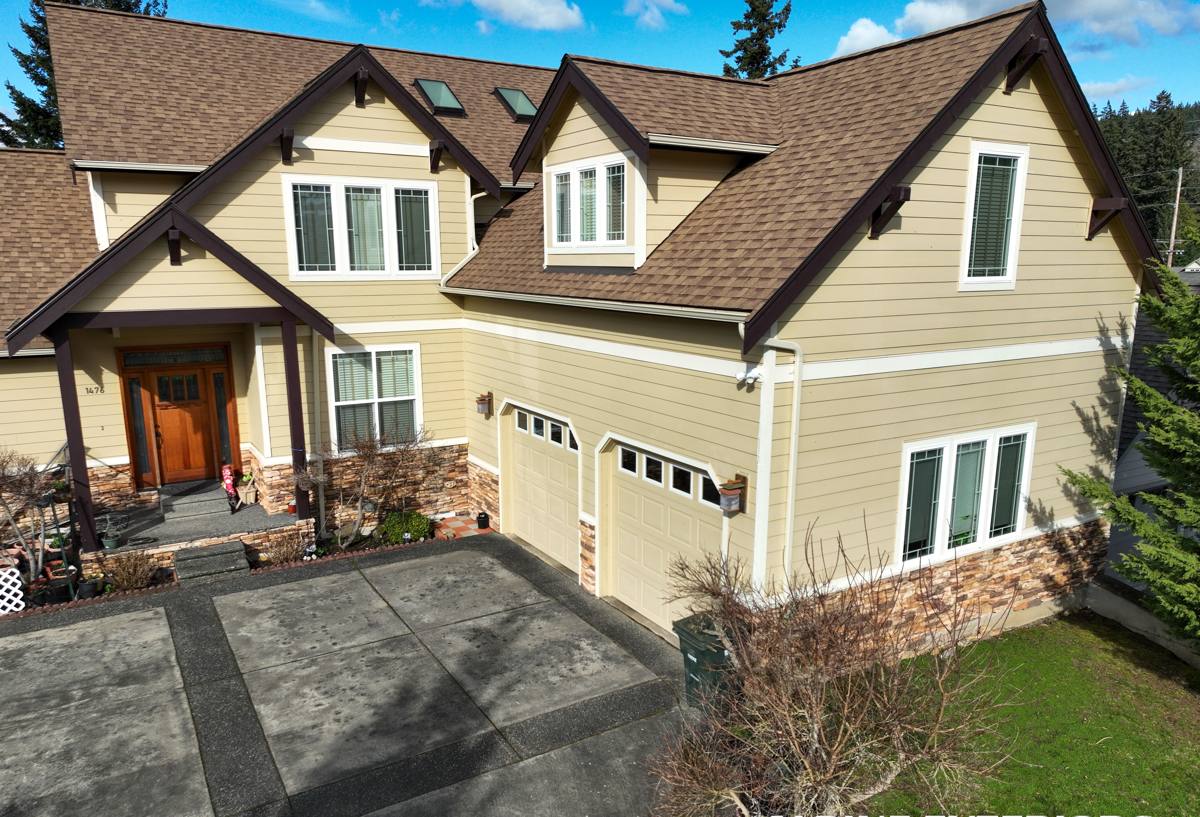
Common Window Problems We See in Indian Rocks Beach Homes
Salt Corrosion on Frames and Hardware
Airborne salt settles on everything near the coast, and it's more aggressive than typical outdoor grime. On windows, it works into hinges, locks, balance mechanisms, and screen frames. Aluminum frames can pit and corrode. Steel fasteners and hardware rust from the inside out, even when the visible surface still looks okay. We routinely find windows on barrier island homes where the glass itself is fine but the hardware has seized or corroded to the point that the window won't open, close, or lock properly.
UV Degradation of Seals and Glazing
Florida sun is intense everywhere, but homes with unobstructed exposure toward the Gulf get more direct, reflected, and prolonged UV exposure than a typical inland lot with mature tree cover. That accelerates the breakdown of window seals, gaskets, and glazing compounds. Once a seal degrades, you start losing the insulating gas between panes on double-pane units, and you'll often see fogging or condensation trapped between the layers of glass.
Wind-Driven Rain Intrusion
Even outside of named storms, Indian Rocks Beach catches stiff onshore wind regularly, and it drives rain into places a calm-weather window seal never has to deal with. Older windows, or windows installed without proper flashing and sealant detail around the rough opening, are prone to water intrusion at the frame-to-wall joint long before the window itself fails. This is one of the most common issues we diagnose on service calls out here — the window looks fine, but water is getting in around it.
Wind Zones, Building Code, and What That Means for Your Project
Pinellas County's wind-borne debris and wind speed requirements determine what kind of window protection your home needs under current Florida Building Code. Depending on your property's specific wind zone and the age of your existing structure, that can mean impact-rated windows, non-impact windows paired with code-compliant shutters, or a mix depending on which openings are protected. Requirements can also vary based on your home's elevation, roof line, and prior permit history, so we don't guess at this — we pull the specifics for your address before recommending a scope of work.
Permitting is required for window replacement in almost all cases in this area, and that's a good thing for you as the homeowner. A permitted, inspected installation protects your insurance position and your resale value. We handle the permitting process as part of the job rather than treating it as an extra step, because skipping it — or having someone else skip it — tends to become the homeowner's problem later, at closing or at claim time.
Choosing the Right Window for a Coastal Barrier Island Home
Impact Glass vs. Shutters
Impact-rated windows use laminated glass with an interlayer that keeps the glass bonded together even when cracked, so the window stays intact against wind pressure and debris impact. The tradeoff is upfront cost. Non-impact windows paired with approved storm shutters cost less on the window itself but require you to actually deploy shutters before every storm, which isn't always practical if you're not local or travel frequently. For barrier island homes, especially second homes or rentals, most of our clients end up preferring impact glass specifically because it removes the "did someone put the shutters up" problem entirely.
Frame Material
Vinyl and aluminum are the two frame materials we install most often in this market, and each has real tradeoffs in a salt-air environment.
| Factor | Vinyl Frames | Aluminum Frames |
|---|---|---|
| Salt/corrosion resistance | Does not corrode; UV-stable formulations hold up well | Can pit or corrode over time without proper coatings and maintenance |
| Strength for large openings | Adequate for standard sizes; can need reinforcement for large impact units | Higher strength-to-weight, common for larger impact-rated openings |
| Maintenance | Low; occasional cleaning | Periodic hardware and finish checks recommended near the coast |
| Relative cost | Generally lower | Generally higher |
Neither is a wrong choice — it depends on your opening sizes, budget, and how the rest of your home's exterior is built. We'll walk through this with you rather than defaulting to one material for every job.
Cost Factors for an Indian Rocks Beach Window Project
| Factor | Why It Moves the Price |
|---|---|
| Impact vs. non-impact glass | Impact-rated laminated glass costs more per unit than standard glass |
| Frame material and size | Larger openings and aluminum frames typically run higher than standard vinyl |
| Number of openings | Whole-house replacement has better per-unit pricing than piecemeal jobs over time |
| Structural condition | Wood rot or water damage around old openings adds repair scope before the new window goes in |
| Access and elevation | Second-story or hard-to-access openings take more labor time |
We give straightforward, itemized estimates rather than a single vague number, so you can see exactly what's driving the cost and where there's room to adjust scope if your budget calls for it.
How We Approach a Window Installation Here
- On-site assessment of existing openings, framing condition, and any water intrusion or rot
- Confirmation of your property's wind zone and code requirements before we quote
- Detailed, itemized estimate covering materials, labor, and permitting
- Permit submission and approval before any work begins
- Removal of old units with attention to the surrounding wall assembly, not just the window itself
- Proper flashing and sealant detail at the rough opening — this is where most future leaks originate if it's rushed
- Installation, final adjustment, and a walkthrough with you before we consider the job done
- Final inspection coordination with the county
Keeping Windows Performing in a Salt-Air Environment
Even a well-installed, high-quality window needs some upkeep near the coast. A little routine attention goes a long way toward getting the full service life out of your investment.
- Rinse frames, tracks, and hardware with fresh water every few weeks to clear salt buildup
- Check and lubricate locks and rollers a couple of times a year
- Inspect exterior caulk and sealant lines annually for cracking or gaps
- Watch for fogging between panes, which signals a failed seal, not a dirty window
- Clear debris from weep holes so water can drain properly out of the frame
- Have a professional check hardware condition every few years, even if nothing looks obviously wrong
Why It Matters Working With a Local Clearwater Crew
Window and door companies that don't work this specific stretch of coastline regularly can miss the details that matter here — the difference between what code and construction practice looks like a few miles inland versus what actually holds up on a barrier island with direct Gulf exposure. We're a Clearwater-based crew that works Pinellas County day in and day out, including Indian Rocks Beach and the surrounding coastal communities, so we're not learning the local conditions on your project. We know what salt air does to hardware over five years, we know what a poorly flashed opening looks like after one wind-driven rain event, and we build our recommendations around that experience rather than a generic playbook.
We also handle roofing, siding, and decking, which matters more than it might seem for a window project. Windows don't fail in isolation — a leaking roofline or deteriorating siding around an opening can be the real source of a water problem that looks like a window issue. Because we work across all of a home's exterior systems, we can flag those connections instead of treating your window in a vacuum.
Get a Straightforward Estimate
If you're dealing with windows that are hard to open, showing fogging between the panes, or you're just planning ahead of the next storm season, we're happy to come take a look. The estimate is free, there's no pressure, and we'll give you a clear, honest picture of your options and what they cost — use the form below to get started.