 Clearwater Window
 Building New in Indian Rocks Beach: Why Window Choice Matters From Day One
New construction is the one chance to get windows right before drywall, trim, and finishes lock everything in place. On Indian Rocks Beach and the surrounding barrier island communities along the Pinellas County coast, that first choice carries more weight than it does in most parts of the country. Homes here sit close to open water, take direct salt air almost every day of the year, and have to be built to withstand hurricane-force wind events. A window that's merely "code minimum" on paper can still turn into a callback, a leak, or a failed inspection if it wasn't specified and installed with this specific environment in mind.
We work new-construction window packages for homes in this area regularly, coordinating with builders, GCs, and homeowners acting as their own owner-builder. This page covers what actually matters for a new build here — not generic window-buying advice, but the decisions that are specific to putting new windows into a new Indian Rocks Beach home.
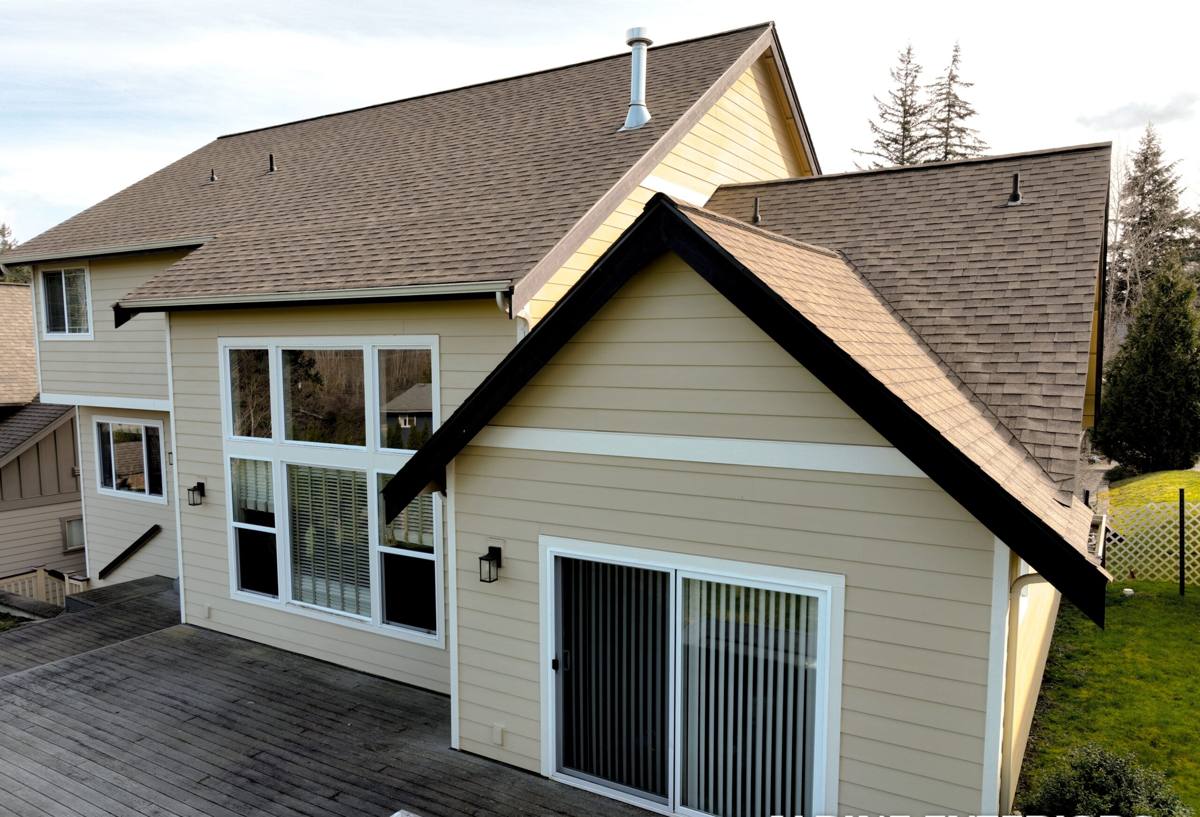
What Indian Rocks Beach's Climate Demands From New Windows
Pinellas County sits in one of the more demanding wind and moisture zones in the continental U.S. for exterior building products. A few realities shape every new-construction window decision here:
- Wind load: Homes near the coast fall under high-velocity hurricane zone design pressures. Your windows need documented Design Pressure (DP) ratings that match your specific elevation and exposure category, not just a generic "impact-rated" label.
- Wind-driven rain: Storms here don't just bring wind — they push rain sideways under enough pressure to find any gap in flashing or sealant. New-construction framing gives us the chance to flash openings correctly before there's a wall to fight around.
- Salt air corrosion: Being this close to the Gulf means airborne salt settles on and around window frames, hardware, and fasteners year-round. Materials and hardware finishes that aren't rated for coastal exposure corrode faster than most homeowners expect.
- UV load: Florida's sun is intense and constant. Frame materials, seals, and low-E glass coatings all age differently under this much UV exposure than they would in a milder climate.
None of this is unique to Indian Rocks Beach specifically — it's shared across the Pinellas County coastline — but it is meaningfully more severe here than in inland Florida or in most other states, and it's why we don't treat coastal new construction as a smaller version of an inland job.
Getting the Specification Right the First Time
Design Pressure and Impact Rating
Every window opening on a new coastal build has a required DP rating driven by the home's height, exposure category, and location relative to the coastline. Getting this wrong doesn't just risk storm performance — it can stall your final inspection or trigger a costly change order mid-build. We pull the actual wind load requirements for your specific lot and elevation rather than assuming one spec fits the whole neighborhood.
Impact-Resistant Glass vs. Shutters
Florida code allows impact-rated glazing or approved shutter systems to meet windborne debris requirements. For new construction, we generally recommend impact glass over shutter systems as the primary strategy — it removes the burden of deploying protection before every storm, keeps the home's exterior lines cleaner, and holds its value if you ever sell. Shutters still have their place as a supplemental layer, but relying on them as the sole protection means the system only works if someone is home and able to install them in time.
Frame Material Trade-Offs
| Frame Material | Coastal Performance | Maintenance |
|---|---|---|
| Vinyl | Good corrosion resistance; quality varies significantly by manufacturer | Low |
| Aluminum | Strong structurally; needs marine-grade coatings to resist salt corrosion long-term | Moderate |
| Fiberglass | Excellent dimensional stability and corrosion resistance | Low |
| Wood/wood-clad | Attractive but vulnerable to moisture intrusion in this climate without diligent upkeep | High |
We frame this as trade-offs, not a single "right answer" — the correct material depends on your budget, your architectural style, and how much upkeep you want to take on down the road.
What a Correct New-Construction Install Actually Involves
New construction gives us an advantage retrofit work doesn't: access to the rough opening before it's closed in. That access only pays off if the sequence is followed correctly.
- Rough opening verification: Confirm dimensions, plumb, level, and square before the window ever shows up on site.
- Flashing integration: Window flashing has to tie into the home's weather-resistive barrier in the correct shingle-lap order — over the sill pan, under the head flashing — so bulk water is directed out, not trapped in the wall assembly.
- Sill pan installation: A properly sloped sill pan is the last line of defense if water ever does get past the primary seal. This is one of the most commonly skipped steps in production building, and it's one we don't skip.
- Fastening to structural framing per manufacturer specification: Coastal DP ratings are only valid if the window is fastened exactly per the manufacturer's tested installation instructions — wrong fastener spacing or type quietly voids both the rating and the warranty.
- Sealant and backer rod at the interior and exterior: A continuous air and water seal on both sides of the frame, using sealants rated for sustained UV and salt exposure.
- Final inspection walk-through: Every opening checked for operation, seal continuity, and hardware function before we call the install complete.
Skipping or rushing any one of these steps is how a brand-new home ends up with a moisture problem behind the drywall within a few storm seasons — long after the window itself would otherwise have performed fine.
Our Process for New-Construction Projects
1. Plan Review
We review architectural plans and window schedules early, before framing is finalized, to catch any opening sizes or DP requirements that need adjustment.
2. Product Selection and Ordering
We walk you through frame material, glass package, and hardware options suited to a Gulf-facing home, then place orders with enough lead time to avoid holding up the build schedule.
3. Coordinated Installation
We schedule install to align with your builder's framing and dry-in timeline, so windows go in at the right point in the sequence — not too early, not after the weather barrier is already compromised by delay.
4. Documentation
You receive product approval documentation and installation records, which matter for both your final building inspection and, later, for insurance purposes.
Why Hiring a Crew That Already Works Indian Rocks Beach Matters
A window installer who mostly works inland jobs isn't necessarily doing anything wrong — they're just solving a different problem. Coastal new construction in this part of Pinellas County means routinely pulling the correct DP tables for barrier-island exposure categories, sourcing hardware and sealants rated for daily salt exposure, and sequencing flashing details that hold up against wind-driven rain rather than ordinary rainfall. A crew that installs here regularly has already worked through those specifics on other homes nearby — they're not learning the coastal requirements for the first time on your build.
Common Mistakes We See in Coastal New Construction
- Specifying windows by "impact-rated" alone without confirming the DP rating matches the home's actual exposure category
- Standard fasteners or hardware finishes used where marine-grade corrosion resistance was needed
- Sill pans omitted or improperly sloped, relying on sealant alone to keep water out
- Flashing integrated in the wrong order relative to the weather-resistive barrier
- Window orders placed without confirming lead times, causing rushed installs that skip steps to hit a schedule
Planning Your Window Package
A few questions worth settling early with your contractor or builder:
- What is the confirmed design pressure requirement for each elevation of the home?
- Will impact glass or an approved shutter system meet the windborne debris requirement, and which fits the home's design better?
- What frame material fits the architectural style and your long-term maintenance preference?
- Has the manufacturer's specific installation instruction been reviewed by whoever is doing the physical install?
- What documentation will you receive for final inspection and insurance records?
Getting these answered before framing closes in saves time, money, and headaches compared to catching a spec mismatch after the fact.
Ready to Talk Through Your Build
Every new-construction project on Indian Rocks Beach has its own lot exposure, architectural style, and builder schedule to work around. If you're planning a new home here and want a window package specified correctly for this coastline from the start, we're happy to take a look at your plans and walk through the options. Reach out for a free, no-pressure estimate using the form below.