 Clearwater Window
 Deck Repair Built for Del Oro's Weather, Not a Generic Climate
Decks in Del Oro take a different kind of beating than decks almost anywhere else in the country. This is a Clearwater neighborhood, which means every deck here sits under Gulf Coast sun for most of the year, gets soaked by wind-driven rain during summer storms, and breathes salt-laden air pulled in off the water. None of that is unusual for Pinellas County. What's unusual is how fast it adds up if a deck wasn't built, fastened, and finished with that combination in mind.
We repair decks in Del Oro regularly enough to know the patterns: which boards fail first, which fasteners corrode early, and which "repairs" from a few years back were never going to hold up in this environment. This page walks through what actually goes wrong with decks here, what a correct repair looks like, and how we approach the work.
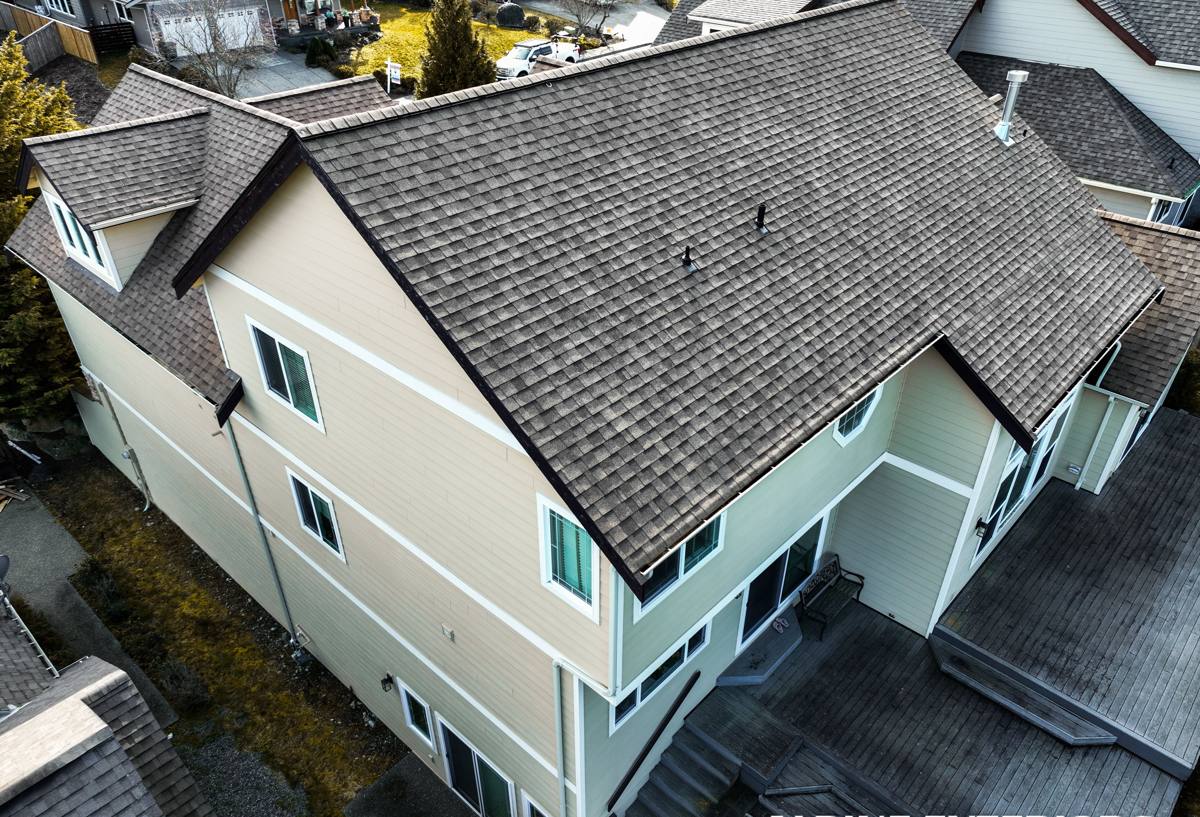
Why Decks in This Area Wear Out Faster Than the Manuals Say
UV exposure is nearly constant
Florida sun is intense and it's present almost every month of the year. UV breaks down the lignin in wood fibers, which is what causes graying, splintering, and surface checking on wood decking. On composite and PVC boards, UV exposure over years can fade color and, on lower-grade products, make the surface brittle. A deck built for a milder climate — using standard fastener spacing, standard board gaps, or a finish schedule meant for four seasons — simply doesn't get the years of service here that it would further north.
Wind-driven rain finds every gap
Summer storms in this part of Florida don't just rain straight down — wind pushes water sideways, up under boards, and into any gap in flashing, ledger connections, or railing posts. Water that gets trapped between decking boards or behind ledger boards is often the real cause of a deck's structural problems, even when the visible symptom looks like something else, like a spongy board or a stained fascia.
Salt air corrodes fasteners and hardware from the inside
Being close to the coast means airborne salt settles on everything, including the metal holding a deck together. Standard fasteners, joist hangers, and bolts can corrode well before the wood around them shows any obvious damage. A deck can look fine on the surface while its connections are quietly weakening underneath.
Hurricane-force wind loads stress connections
Beyond the day-to-day wear, decks here need to survive tropical storm and hurricane-force wind events. That puts real stress on ledger attachments, post bases, and railing systems — connections that a lot of older or poorly repaired decks were never properly built to handle in the first place.
Signs a Del Oro Deck Needs Repair
Homeowners often wait until a board fails underfoot, but most deck problems give warning signs well before that point. Look for:
- Boards that feel spongy, springy, or noticeably softer than the boards around them
- Rust streaks bleeding out from screw heads, joist hangers, or bolts
- Gaps opening up between the deck and the house at the ledger board
- Railings or posts that wiggle, lean, or feel less solid than they used to
- Fading, graying, or splintering concentrated on the sun-facing side of the deck
- Visible sagging between joists, or steps that feel uneven
- Mold, algae, or dark staining in shaded or low-airflow areas of the deck
- Nails or screw heads that have backed out or are sitting proud of the board surface
Any one of these on its own might be minor. Several together, especially near the ledger board or support posts, usually mean the issue is more than cosmetic.
What a Correct Deck Repair Actually Involves
It starts underneath, not on the surface
A repair that only replaces the top boards without checking the framing underneath is a repair that treats a symptom, not the cause. Before we touch decking boards, we check the ledger board attachment, joists, beams, post bases, and any hardware for corrosion, rot, or movement. In this climate, hidden framing problems are common enough that skipping this step means the repair won't last.
Fastener and hardware selection matters more here
Given the salt air along this stretch of coast, we use fasteners and structural hardware rated for coastal or corrosive environments rather than standard-grade hardware. It costs a little more up front. It also means the repair isn't quietly corroding again within a couple of seasons.
Proper flashing and water management
Where a deck attaches to the house, flashing needs to direct water away from the ledger board and the home's structure, not let it pool or wick in. A large share of the deck failures we see trace back to missing or failed ledger flashing, which is invisible until you know to look for it.
Board spacing and drainage
Decking boards need consistent gaps so water can drain and air can circulate underneath. Boards installed too tight — sometimes done to look cleaner on day one — trap moisture and accelerate rot, especially in Florida's humidity.
Structural connections rated for wind
Railings, posts, and stair stringers get checked and reinforced to current wind-load expectations, not just patched back to their original (sometimes undersized) condition.
Repair or Replace? A Cost-Factor Comparison
Not every deck problem calls for full replacement, but not every deck is worth repairing either. These are the factors that usually decide which way it goes.
| Factor | Favors Repair | Favors Replacement |
|---|---|---|
| Framing condition | Joists, beams, and posts are structurally sound | Widespread rot or corrosion in the load-bearing structure |
| Age of deck | Under 10-15 years, good original construction | Original build is old, undersized, or built to outdated codes |
| Extent of damage | Isolated boards, localized rail or post issues | Damage spread across most of the deck surface or frame |
| Ledger attachment | Solid, properly flashed connection to the house | Failed flashing causing ongoing water intrusion at the house |
| Material | Decking still structurally serviceable, just worn | Decking is failing due to a poor original material choice |
| Budget goals | Extend usable life at lower cost | Want a long-term reset with updated materials and code compliance |
We'll give you an honest read on which category your deck falls into. If a repair is the right call, we won't push a replacement just to sell a bigger job — and if the framing is compromised, we'll tell you that plainly rather than patching over a structural problem.
Our Deck Repair Process in Del Oro
- On-site inspection. We check the framing, ledger connection, fasteners, decking, and railings, both visually and by testing for soft spots and movement.
- Honest scope and plan. You get a clear explanation of what's actually wrong, what needs to be repaired versus what can be left alone, and a straightforward estimate.
- Permitting, when required. Structural deck repairs in Clearwater and unincorporated Pinellas County can require permits depending on scope. We handle that process so you don't have to track it down yourself.
- Repair work. Framing and structural connections are addressed first, using corrosion-resistant fasteners and hardware suited to this coastal environment, followed by decking, railings, and finish work.
- Final check. We walk the deck with you, checking for level, secure connections, and proper drainage before we consider the job done.
Why Hiring a Crew That Already Works in Del Oro Matters
Deck repair isn't the same job in every part of the country, and honestly it isn't the same job in every part of Florida either. A crew that mostly works inland doesn't run into the same combination of salt exposure, wind-driven rain, and near-constant UV that a Clearwater deck sits under. Working regularly in and around Del Oro means we already know which fastener grades hold up, which older construction methods tend to fail first, and what Pinellas County and City of Clearwater permitting expects for deck work. That local familiarity shortens the guesswork and reduces the chance of a repair that looks fine now but fails again in a couple of years.
Keeping a Repaired Deck in Good Shape
Once a deck is repaired correctly, a little regular attention keeps it that way in this climate:
- Rinse off salt residue and debris periodically, especially after storms
- Check fasteners and hardware for early rust once or twice a year
- Keep gutters and downspouts clear so runoff doesn't pour onto or under the deck
- Reapply sealant or finish on wood decking on the schedule the product calls for — UV here breaks it down faster than in milder climates
- Trim back vegetation that shades the deck and traps moisture against boards
Get an Honest Look at Your Deck
If your deck in Del Oro is showing any of the signs above, or you just want a professional opinion before storm season stresses it further, we're glad to take a look. We'll give you a free, no-pressure estimate and a straight answer on what it actually needs — use the form below to get started.