 Clearwater Window
 Deck Replacement Built for Harbor Oaks, Not a Generic Backyard
Harbor Oaks is one of Clearwater's older, established neighborhoods, and a lot of the outdoor living spaces here were built for a different era — different materials, different fastener standards, and a different sense of how hard the Gulf Coast climate would actually be on wood over the years. When a deck in this part of Pinellas County starts failing, it's rarely one obvious problem. It's usually years of sun, salt-laden air, and wind-driven rain working on the same boards, joists, and connectors at once.
Replacing a deck here isn't just a matter of pulling up old boards and nailing down new ones. It's a chance to correct whatever the original build got wrong for this climate — undersized framing, the wrong fastener metal, decking that was never meant to handle this much humidity — so the next deck actually lasts as long as it should.
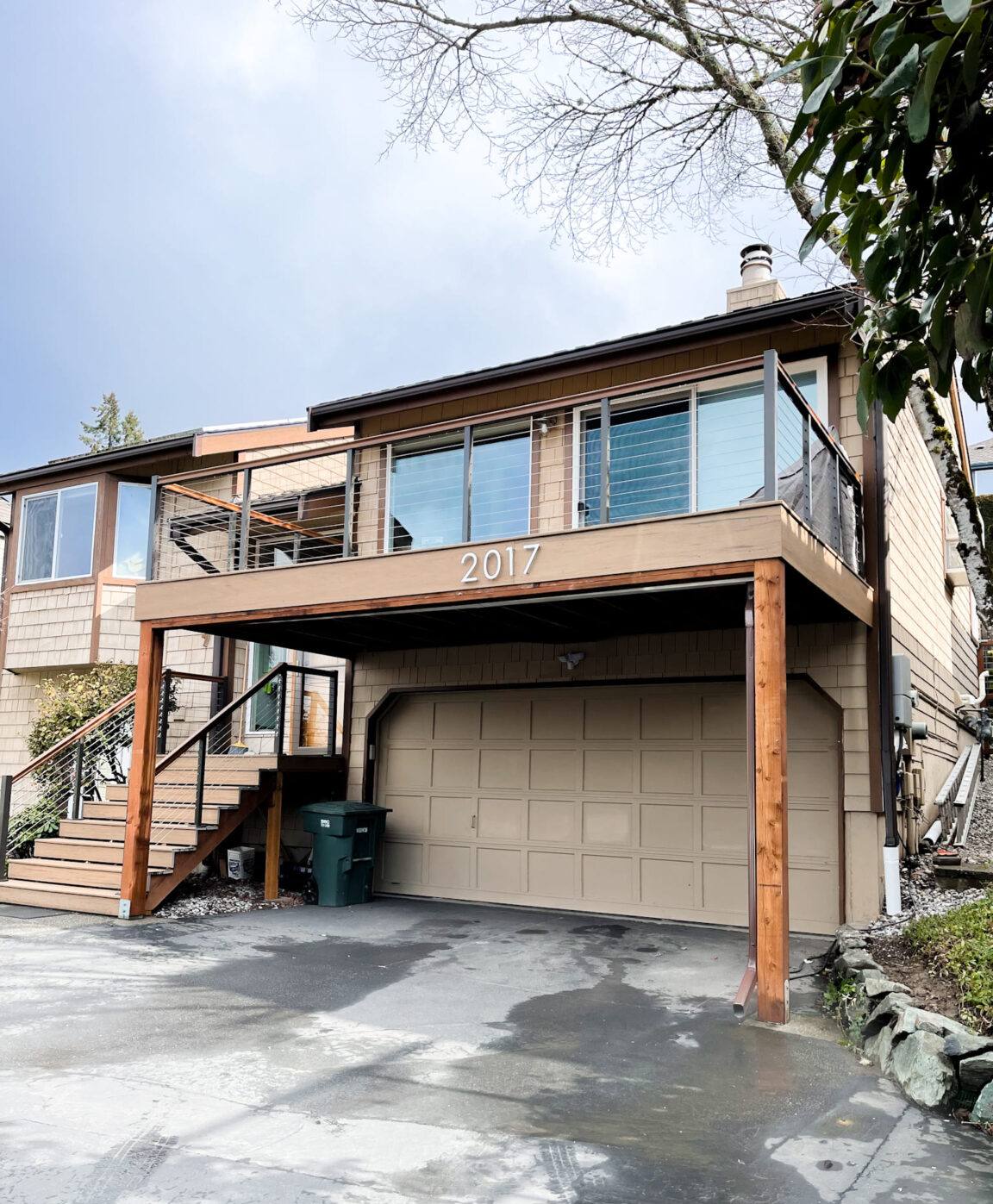
Why Decks in This Area Wear Out Faster Than the Manufacturer's Warranty Suggests
Every deck material sold in Florida comes with a lifespan rating, and almost none of those ratings account for what a deck in Clearwater actually deals with. A few things stack up against outdoor structures here in particular:
Salt Air and Humidity
Being close to Clearwater Harbor and the broader Gulf Coast means the air itself carries salt, and that salt finds its way into every metal fastener, bracket, and connector on a deck. Combined with near-constant humidity, it's a slow, steady corrosion process that most homeowners don't notice until a board feels spongy or a railing post wiggles more than it should.
UV Exposure
Florida sun is intense and consistent almost year-round, not seasonal like it is farther north. Wood fibers break down, composite decking can fade unevenly depending on shade patterns from trees or the house itself, and any sealant or finish gets worked hard.
Wind-Driven Rain and Storm Loads
Pinellas County sits squarely in hurricane territory, and even a deck that never takes direct storm damage still absorbs wind-driven rain that gets forced into joints, under ledger boards, and around post bases in ways ordinary rainfall never would. Over time, that's what rots framing from the inside before the surface boards show much wear at all.
Signs a Harbor Oaks Deck Needs Full Replacement, Not Another Repair
Not every tired-looking deck needs to come out entirely. But there's a point where patching individual boards is just delaying a bigger job — and often masking a structural problem underneath. Here's what tends to separate a repair from a replacement:
- Soft, spongy, or spring-back decking in more than one or two isolated spots
- Rust streaking or visible corrosion around fastener heads and structural brackets
- A ledger board (where the deck attaches to the house) that shows rot, gaps, or water staining behind it
- Railing posts or stair stringers that flex or move when you put weight on them
- Multiple footings or support posts showing cracking, settling, or wood contact with standing water
- A deck that's more than 15–20 years old and was built with standard galvanized (not stainless or coated) hardware
If a deck is only showing surface wear — faded color, minor splintering, a few loose screws — a repair and refinish can often buy several more years. Once the framing or connections are compromised, though, replacement is the honest recommendation, because repairs on failing structure don't hold up to Gulf Coast conditions for long.
What a Correct Deck Replacement Actually Involves Here
Framing and Structure First
The part of a deck nobody sees is the part that matters most in this climate. That means joists, beams, and posts sized and spaced for Florida wind and moisture conditions — not just whatever the previous deck happened to use. It also means proper flashing at the ledger board connection, since that single joint is where the majority of hidden rot problems in this area actually start.
Fasteners and Hardware
Standard galvanized screws and brackets corrode faster near the water than most homeowners expect. For a deck that's going to hold up in Harbor Oaks, stainless steel or coated, corrosion-rated fasteners and structural connectors are worth the modest upcharge — it's one of the cheapest ways to add years to a deck's life and one of the most commonly skipped details on lower-bid jobs.
Decking Material Choice
There's no single "right" decking material for every home — it depends on budget, how much upkeep you want to do, and how much direct sun and rain exposure the deck gets. We walk through the honest trade-offs rather than pushing whatever's easiest to install.
Code Compliance and Permitting
Deck replacements in Pinellas County typically require a permit and inspection, and the requirements cover things like railing height, guard spacing, stair geometry, and structural connections. Skipping this step is a common shortcut on lower-cost jobs, and it can create real problems later — at resale, at insurance renewal, or simply in terms of safety.
Comparing Decking Materials for This Climate
Every material has a place. What matters is matching the material to how much sun and moisture exposure your specific deck gets, and being honest about the maintenance commitment involved.
| Material | Upfront Cost | Salt Air / Humidity Behavior | Maintenance | Typical Lifespan Here |
|---|---|---|---|---|
| Pressure-treated wood | Lowest | Vulnerable without diligent sealing; prone to warping and splintering | Annual sealing/staining recommended | 10–15 years |
| Tropical hardwoods (e.g., ipe) | High | Naturally dense and rot-resistant, but still needs oiling to hold color | Periodic oiling for appearance | 20–25+ years |
| Standard composite | Mid-range | Doesn't rot, but can fade or hold heat/moisture on the surface | Occasional cleaning | 20–25 years |
| Capped composite / PVC | Higher | Best resistance to moisture, staining, and salt exposure | Low — mostly rinsing | 25–30+ years |
We won't tell a homeowner that pressure-treated wood is a bad choice — it isn't, if you're willing to keep up with sealing on a real schedule. What we will say is that the material decision should be made with eyes open about the maintenance trade-off, not just the sticker price at the lumber yard.
How Our Deck Replacement Process Works
The process is straightforward, but we don't skip steps just to move faster:
- On-site assessment: We inspect the existing deck, ledger connection, footings, and framing to determine what's actually salvageable versus what needs to come out.
- Honest scope and estimate: You get a clear picture of what full replacement involves, material options with real trade-offs explained, and a written estimate — no pressure to upsell materials you don't need.
- Permitting: We handle the permit application and coordinate required inspections so the finished deck is documented and compliant.
- Demolition and disposal: Old decking, framing, and hardware are removed and hauled off responsibly.
- Structural rebuild: New framing, properly flashed ledger connection, and corrosion-rated hardware go in first, before a single deck board is installed.
- Decking, railing, and finish work: Installed to the material manufacturer's specifications, with attention to drainage and gap spacing so the new deck sheds water the way it's designed to.
- Final walkthrough: We go over the finished deck with you, including basic care and what to watch for over the coming seasons.
Maintenance That Actually Extends a New Deck's Life Here
A correctly built deck still needs some ongoing attention in this climate. A short, realistic checklist goes a long way:
- Rinse salt residue and debris off the deck surface periodically, especially after storms
- Check railing posts and stair connections for movement once or twice a year
- Keep gutters and downspouts clear so runoff isn't dumping extra water directly onto or under the deck
- Reseal or refinish wood decking on the schedule the product actually calls for — not "when it looks bad"
- Watch for standing water pooling under the deck near posts and footings after heavy rain
- Address any loose boards, popped fasteners, or soft spots promptly rather than waiting
Why a Crew That Already Works in Harbor Oaks Makes a Difference
A deck replacement done by a crew unfamiliar with local conditions often looks fine on day one and starts showing problems within a couple of years — the wrong fastener grade, framing sized for a drier climate, or a ledger connection that wasn't flashed with Gulf Coast rain in mind. A crew that regularly works in and around Clearwater and Pinellas County has already seen how decks in this specific environment fail, and builds accordingly from the start.
There's also a practical side to hiring locally: familiarity with Clearwater's permitting process, realistic timelines that account for Florida's weather patterns, and accountability if something needs a follow-up visit after the job is done. That matters more on an outdoor structure than almost anywhere else on a home, since a deck takes the full brunt of the climate every single day.
Get a Free, No-Pressure Estimate for Your Harbor Oaks Deck
If your deck is showing its age — soft spots, rusting hardware, a railing that doesn't feel as solid as it used to — it's worth having someone take an honest look before deciding between repair and full replacement. We offer free estimates for Harbor Oaks homeowners, with a clear explanation of what we find and what it would take to fix it right. Fill out the form below to get started, no obligation and no pressure.