 Clearwater Window
 Why Indian Rocks Beach Homes Put Windows Through More Than Most
Indian Rocks Beach sits right on the barrier island strip along Pinellas County's Gulf side, which means the windows on these homes are doing a harder job than windows almost anywhere else in the state. You've got salt-laden air working on hardware and seals every single day, intense year-round UV breaking down seals and glazing compounds, wind-driven rain that finds every gap in a poorly installed frame, and the real possibility of hurricane-force winds during storm season. None of that is marketing talk — it's just what the Gulf does to a house over years and decades.
"Energy-efficient" windows are usually sold as a way to cut cooling costs, and they do that. But out here, an energy-efficient window that isn't also built and installed for the coastal environment will underperform fast — fogging between panes, hardware corrosion, seal failure, and drafts within a few years instead of the couple decades it should last. For Indian Rocks Beach, energy efficiency and coastal durability aren't two separate projects. They have to be solved together.
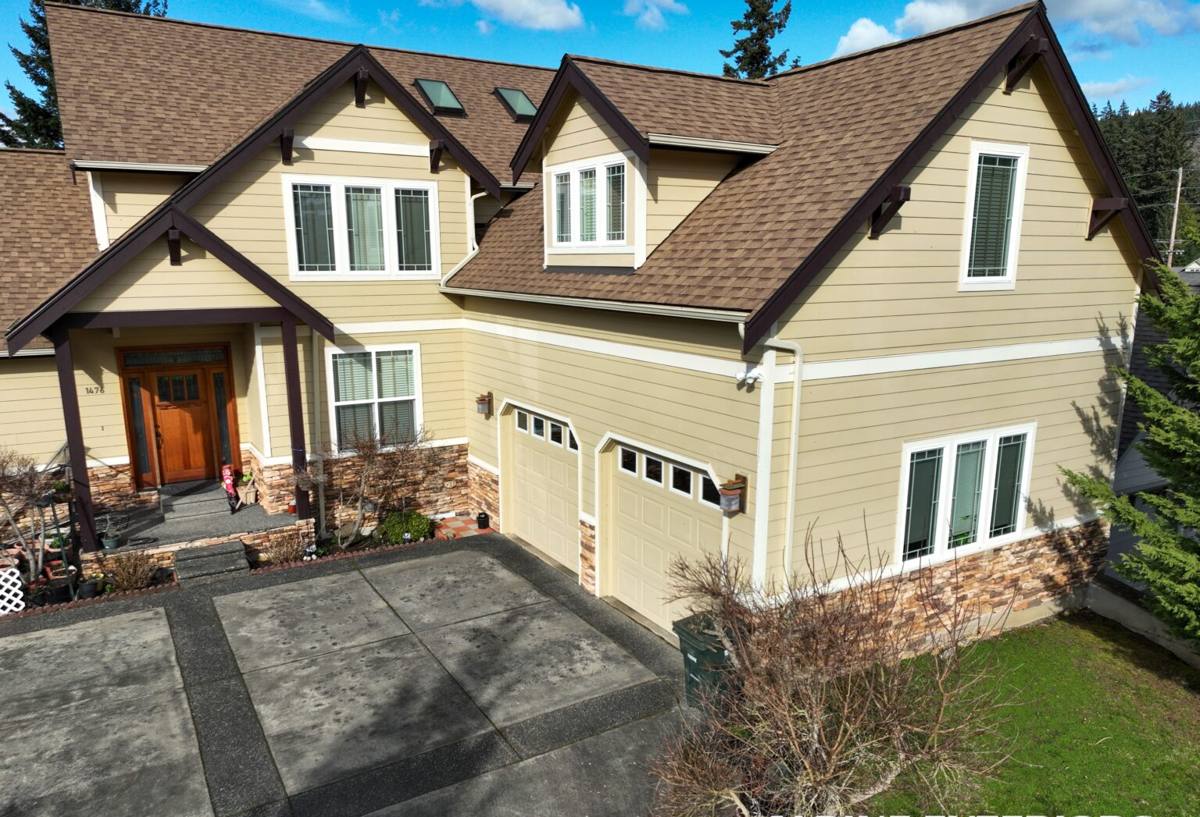
What Energy Efficiency Actually Means for a Coastal Window
There's a lot of loose talk about "energy-efficient windows" as if it's one product. It's really a set of measurable properties, and on a barrier island home the ones that matter most aren't identical to what matters in a landlocked climate.
U-Factor and Solar Heat Gain Coefficient (SHGC)
U-factor measures how much heat moves through the window — lower is better for keeping conditioned air inside. SHGC measures how much solar heat the glass lets through — and in Florida, where the fight is almost entirely against heat gain rather than heat loss, a low SHGC matters more than it does up north. A window with a low U-factor but a high SHGC will still let your west-facing rooms bake in the afternoon.
Low-E Coatings
Low-emissivity coatings are microscopically thin metallic layers on the glass that reflect infrared heat while still letting visible light through. On Indian Rocks Beach homes, we lean toward Low-E formulations tuned for high solar heat gain rejection, since the sun exposure here is close to constant for most of the year.
Frame and Spacer Performance
The frame material and the spacer between panes of glass affect efficiency as much as the glass itself. A poor spacer is often where seal failure — and fogged double-pane glass — starts first in coastal climates, because humidity and salt air accelerate the breakdown of cheap spacer materials.
Energy Efficiency and Impact Resistance: The Overlap Homeowners Miss
A lot of homeowners think of "impact windows" and "energy-efficient windows" as two different upgrades. In practice, most quality impact-rated windows sold today are also strong energy performers, because the laminated glass and tighter frame tolerances that make a window impact-resistant also improve its air infiltration rating and sound dampening. The lamination interlayer in impact glass also blocks a significant amount of UV transmission, which helps protect flooring and furnishings from fading — a real issue in a house that gets Gulf-facing sun most of the day.
That said, impact rating and energy performance are tested and rated separately, and a window can pass one without excelling at the other. When we spec windows for an Indian Rocks Beach home, we look at both numbers, not just the impact label.
Impact-Rated vs. Standard Energy-Efficient Windows
| Factor | Impact-Rated (Laminated) Windows | Standard Energy-Efficient Windows |
|---|---|---|
| Wind-borne debris protection | Meets Florida Building Code impact requirements, no shutters needed | Typically requires separate shutter or covering system |
| UV blocking | Laminate interlayer blocks the large majority of UV transmission | Depends on Low-E coating; generally less UV reduction |
| Sound dampening | Noticeably quieter due to laminated glass and tighter seals | Moderate, varies by glass package |
| Upfront cost | Higher | Lower |
| Insurance considerations | May qualify for wind mitigation credits | Typically does not |
| Storm prep routine | None required at the window itself | Shutters must be installed/removed each storm |
Impact windows aren't the only correct answer for every home or budget, and we'll walk through both options honestly rather than push the higher-cost product by default. Some homeowners are well served by a strong energy-efficient window paired with an existing shutter system. What matters is making that decision with real numbers in front of you, not guesswork.
Signs Your Current Windows Are Costing You Money
Coastal wear on windows is often gradual, so homeowners get used to problems before they realize what they're paying for. A few things worth checking:
- Condensation or a foggy haze between the panes — a sign the seal has failed and the insulating gas or air gap is compromised
- Visible pitting, chalking, or corrosion on aluminum frames and hardware from salt exposure
- Air movement you can feel near the frame on a windy day, even with the window closed and locked
- Rooms that get noticeably hotter than the rest of the house in the afternoon, especially west- or south-facing rooms
- Rising cooling bills without a clear cause elsewhere in the home
- Difficulty locking or latching windows — frames can warp slightly from repeated heat and moisture cycling
- Fading carpet, flooring, or furniture near windows, a sign of high UV transmission
Any one of these on its own isn't necessarily urgent. Several together usually means the windows are past the point where caulk and weatherstripping will fix the underlying problem.
What a Correct Installation Actually Involves
The window unit itself is maybe half the equation. The other half is installation, and that's where most of the coastal-specific failures we see actually originate — not from bad windows, but from windows installed without accounting for this environment.
Rough Opening Prep
Old caulk, deteriorated sealant, and any water-damaged framing around the opening need to come out before a new window goes in. Installing over a compromised opening just traps the problem behind a new frame.
Flashing and Water Management
Proper flashing directs any water that gets past the exterior seal back out, rather than into the wall cavity. Given how much wind-driven rain this area sees, flashing detail is not optional trim work — it's the difference between a window that stays dry inside a tropical storm and one that doesn't.
Fastening for Wind Load
Fastener type, spacing, and embedment depth all have to match the window's tested wind load rating and the substrate they're going into. This is engineered, not eyeballed — undersized or improperly spaced fasteners are one of the most common reasons a correctly rated window still fails in a storm.
Sealant Selection
Not every exterior sealant holds up to sustained UV and salt exposure. We use sealants rated for coastal/marine exterior use, and we don't cut corners here just because it's the least visible part of the job.
Our Process, Start to Finish
- Free on-site estimate. We walk the home, assess current window condition, note sun exposure and wind exposure by elevation, and talk through your priorities — efficiency, storm protection, budget, or a mix.
- Product selection. We go over frame material, glass package, and impact vs. standard options with real U-factor and SHGC numbers, not sales sheets.
- Permitting. We handle the permit application through the applicable local building department and make sure the specified products meet Florida Building Code requirements for this coastal zone.
- Installation. Old units removed, openings properly prepped, new windows set, flashed, fastened to wind-load spec, and sealed.
- Final inspection and walkthrough. We confirm the permitted work passes inspection and walk you through operation and care before we consider the job done.
Frame Material and Cost Factors
Frame material affects both efficiency and long-term coastal durability. There's no single "best" material for every home — it depends on budget, architectural style, and how much maintenance you want to take on.
| Frame Material | Coastal Durability | Maintenance | Relative Cost |
|---|---|---|---|
| Vinyl | Good — won't corrode, some UV-driven brittleness over long-term sun exposure | Low | Lower |
| Aluminum | Strong structurally but prone to corrosion/pitting without marine-grade coatings | Moderate | Moderate |
| Fiberglass | Excellent — stable in heat and resistant to salt-driven degradation | Low | Higher |
| Wood/wood-clad | Poor without significant upkeep in salt air; not our default recommendation here | High | Higher |
We don't install wood or wood-clad frames on direct coastal exposures as a matter of professional standard — not because the material is bad in general, but because the maintenance burden and moisture sensitivity don't hold up well against this specific climate, and we'd rather steer you toward something that lasts.
Permitting and Code Requirements in This Zone
Pinellas County enforces Florida Building Code wind-borne debris and impact requirements, and Indian Rocks Beach's coastal exposure puts it squarely in the zone where those requirements apply. Any window replacement here needs a permit, and the products used need documentation showing they meet the applicable design pressure and impact ratings for the home's location and elevation. Skipping permitting isn't a shortcut — it becomes a real problem at resale, when unpermitted work has to be disclosed or retroactively permitted, often at a homeowner's expense and delay. We pull permits as a standard part of the job, not an add-on.
Why It Matters That We Already Work This Coastline
A crew that mostly works inland jobs can still install a window correctly on paper and still get the coastal details wrong — the flashing detail for wind-driven rain, the fastener spec for a barrier island wind zone, the sealant that actually holds up to salt air instead of chalking out in two summers. Working Clearwater and the surrounding Pinellas County coastline regularly means we're not guessing at what this environment does to a window over time — we've seen it, and we build accordingly.
It also means straightforward, honest guidance on what your specific home needs. Not every window on every elevation needs the top-tier impact package, and not every efficiency upgrade needs to be the most expensive option on the shelf. We'll tell you plainly what's worth spending on for your home's exposure and what isn't.
If your windows are due for a look — whether that's fogged glass, rising cooling bills, or just planning ahead before the next storm season — we're glad to come take a look. The estimate is free, there's no pressure to book anything on the spot, and you'll walk away with real numbers instead of a sales pitch. The form below is the easiest way to get started.