 Clearwater Window
 Building Decks for Indian Rocks Beach Homes
Indian Rocks Beach sits right on the barrier island strip of Pinellas County, and that location shapes almost every decision that goes into a deck here. A deck built the same way you'd build one twenty miles inland, away from the salt air and open water, will show problems faster in this location — loose fasteners, cupped boards, corroded hardware, faded finishes. Building decks correctly for this specific stretch of coastline is a different job than building a generic backyard deck, and it starts with understanding what the environment actually does to a structure over time.
We work in Indian Rocks Beach and the surrounding Clearwater-area beach communities regularly, which means we're not guessing at how a deck holds up here — we're building to conditions we see firsthand, on repeat, year after year.
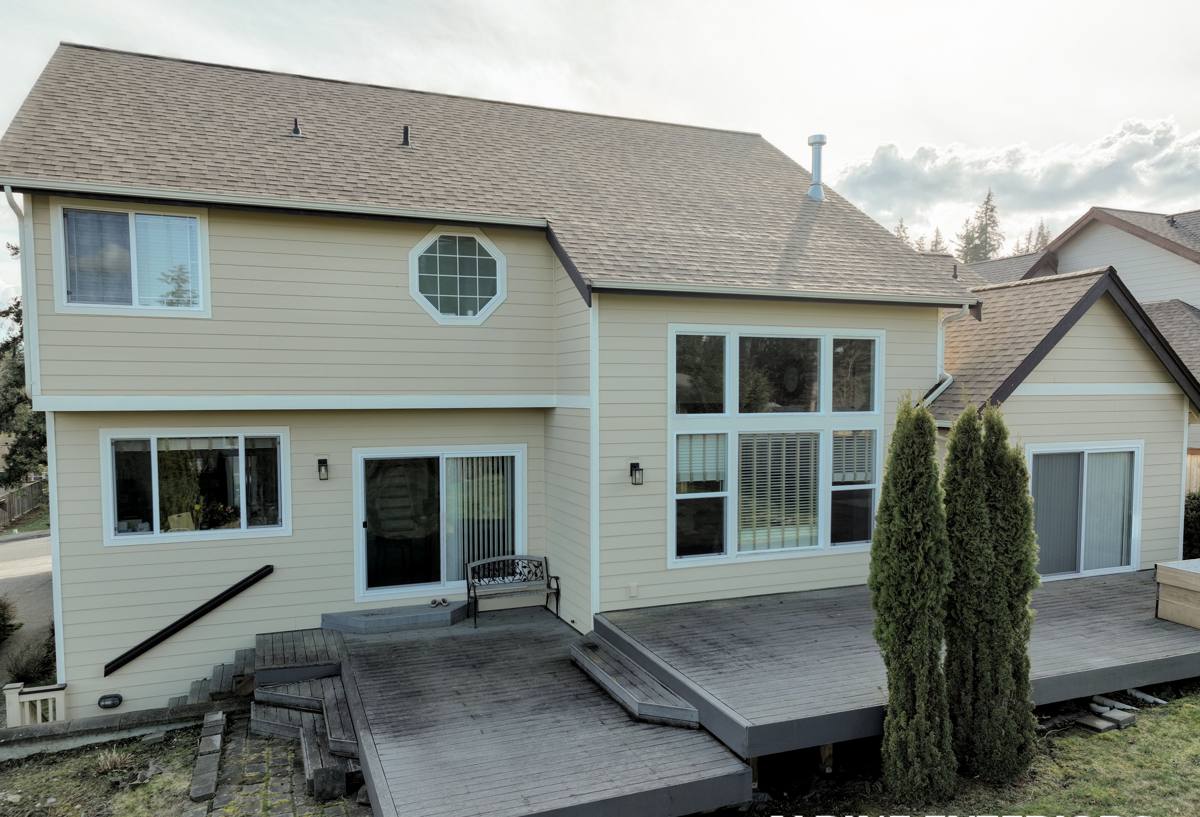
What the Gulf Coast Climate Does to a Deck
Salt Air and Corrosion
Proximity to the Gulf means airborne salt is a constant factor, not an occasional one. Salt accelerates corrosion in any exposed metal — fasteners, brackets, joist hangers, railing hardware. A deck built with fasteners rated for general outdoor use, rather than coastal-grade stainless or hot-dip galvanized hardware, will start showing rust streaks and weakened connections years before it should.
UV Exposure
Florida sun is intense and consistent, and a deck facing open sky gets full exposure most of the day. UV breaks down wood fibers, dries out natural oils, and fades stains and finishes faster than in less sun-exposed regions. Composite and PVC decking resist this differently than wood does, which matters when you're choosing materials.
Wind-Driven Rain and Moisture
Storms here don't just bring rain — they push it sideways, driving moisture into joints, ledger connections, and end grain that a straight-down rain would never reach. That means drainage detailing, flashing, and board spacing all have to account for water coming from angles a builder inland doesn't have to think about.
Hurricane-Force Wind Loads
Pinellas County sits in a designated wind zone, and any exterior structure attached to a home — decks included — has to be engineered and fastened to resist uplift and lateral load during tropical storms and hurricanes. This isn't optional detailing; it's a structural requirement that shows up in the permitting process.
Choosing the Right Decking Material for a Barrier Island Environment
There's no single "best" decking material for every home — the right choice depends on budget, how much upkeep you're willing to do, and how close the deck sits to open water and salt spray. Here's how the common options actually compare under these specific conditions.
| Material | Salt Air Behavior | UV/Fade Resistance | Maintenance |
|---|---|---|---|
| Pressure-Treated Wood | Needs sealed/coated hardware; can splinter and gray without upkeep | Fades and grays within 1-2 seasons unsealed | Highest — annual sealing/staining recommended |
| Composite Decking | Handles salt exposure well; hardware still needs to be coastal-rated | Fade-resistant, though color can shift slightly over years | Low — occasional washing, no sealing/staining |
| PVC/Capped Polymer | Fully sealed surface, very tolerant of salt and moisture | Strong UV resistance, minimal color shift | Lowest — wash only, no sealing ever |
| Tropical Hardwoods | Naturally dense and rot-resistant, but hardware still corrodes | Grays without periodic oiling | Moderate — periodic oiling to maintain color |
Whatever material you choose, the hardware underneath matters as much as the boards on top. We spec coastal-grade stainless steel or hot-dip galvanized fasteners and connectors on every deck we build here, regardless of decking material, because that's the component that fails first in a salt environment.
Framing and Fasteners: Where Coastal Decks Actually Fail
Most deck failures we get called out to inspect aren't a boards problem — they're a framing or fastener problem. The visible surface can look fine while the structure underneath is corroding or working loose. A few specific weak points show up repeatedly in this environment:
- Standard (non-coated) deck screws used on joists and ledger boards, which rust and lose holding strength within a few years near the water
- Joist hangers and structural connectors that aren't rated for coastal exposure
- Ledger boards attached without proper flashing, letting wind-driven rain get behind the connection into the house framing
- Post bases sitting in standing water or direct soil contact without proper isolation, leading to rot or corrosion at the base
- Under-spec footings for the wind uplift loads this area actually sees in a named storm
Correcting for these isn't complicated, but it does require using the right materials the first time — it's far cheaper to spec coastal-grade hardware up front than to rebuild a deck's substructure five years in.
Elevation, Drainage, and Ledger Attachment
Many homes in this part of Pinellas County sit at modest elevations relative to the water table and storm surge zones, so deck framing has to account for drainage and airflow underneath, not just the finished surface. Standing water or trapped moisture under a low deck accelerates rot in wood framing and corrosion in metal connectors alike. Proper board spacing, substructure ventilation, and correctly flashed ledger connections all work together to keep water moving instead of sitting.
Ledger attachment — where a deck ties into the existing structure of the house — deserves particular attention here. It's the connection point most exposed to wind-driven rain intrusion, and it's also a structural connection that has to hold up under wind load. Flashing it correctly the first time avoids both a moisture problem and a structural one down the road.
Permits, Wind Load, and Local Building Code
Pinellas County and the local jurisdictions along this stretch of coast follow the Florida Building Code's high-velocity and coastal wind provisions, which means deck permits here typically require engineered plans specifying footing depth, connector hardware, and attachment methods rated for the applicable wind speed. This isn't extra red tape for its own sake — it's the same code that determines whether a deck stays attached to your house during a tropical storm.
We handle the permitting and inspection process as part of the job, which matters for two practical reasons: an unpermitted deck can complicate a home sale or insurance claim later, and permitted work gets inspected at the stages that actually catch problems — footings, framing, and final — before they're covered up.
Our Process, Start to Finish
- On-site assessment — we look at your home's elevation, existing structure, sun/wind exposure, and how close the site sits to open water or salt spray.
- Material and design conversation — an honest walk-through of decking material trade-offs, layout, and railing options based on your budget and maintenance preference.
- Engineered plans and permitting — plans specify footing depth, hardware, and connections rated for local wind load requirements, submitted for county/city permit.
- Framing and structural work — coastal-grade fasteners and connectors throughout, proper ledger flashing, and footings sized for the engineered load.
- Decking, railing, and finish work — installed to the manufacturer's spec for your chosen material, with attention to board spacing and drainage.
- Final inspection and walkthrough — we confirm the permit closes out clean and walk you through basic care for the material you chose.
Maintenance Checklist for Indian Rocks Beach Deck Owners
Whatever material your deck is built with, a few habits go a long way toward protecting the investment in this environment:
- Rinse salt residue off the deck surface and railings periodically, especially after wind events off the water
- Inspect visible fasteners and connectors once or twice a year for rust staining or looseness
- Keep the area underneath the deck clear of debris so airflow and drainage aren't blocked
- Reseal or restain wood decking on the schedule the product actually needs — don't wait until it's visibly gray
- Check ledger flashing and any caulked joints annually for cracking or gaps after storm season
- After a significant storm, do a quick visual check of footings, posts, and railing attachment points
Why a Local Indian Rocks Beach Crew Matters
Deck problems specific to this stretch of coast don't show up in a general contractor's playbook unless they've actually built and repaired decks here. Knowing which fastener grade actually holds up under real salt exposure, how the local permitting office wants wind-load calculations documented, and where water tends to sit on a barrier island lot isn't something you learn from a manual — it's something you learn by doing the work in this exact area, on this exact coastline, repeatedly. A crew that already works Indian Rocks Beach has already made the mistakes a newcomer would make on your project, and priced in the right materials from the start instead of learning the hard way after a season of storms.
If you're planning a new deck or need an honest look at whether an existing one is holding up the way it should, we're glad to come take a look. There's no pressure and no obligation — just a straightforward assessment and a free estimate using the form below.