 Clearwater Window
 Living on the Edge of the Gulf: What Indian Rocks Beach Demands From a Window
Indian Rocks Beach sits about as close to the Gulf as a home in Pinellas County can get, and that proximity changes what a window has to survive year after year. Salt-laden air corrodes hardware and frames faster than it would a few miles inland. Sun exposure is relentless almost every month of the year, which breaks down seals, glazing compounds, and vinyl over time. Wind-driven rain during storms and even ordinary summer squalls finds every gap in a poorly flashed installation. And when a tropical system or hurricane brushes the coast, this stretch of shoreline takes the wind load first.
None of that means Indian Rocks Beach homes need exotic materials or gimmicks. It means the installation has to be done correctly, with the right products set the right way, by someone who understands why a barrier-island window job is not the same as one three miles inland in Clearwater proper. That distinction is the entire focus of this page.
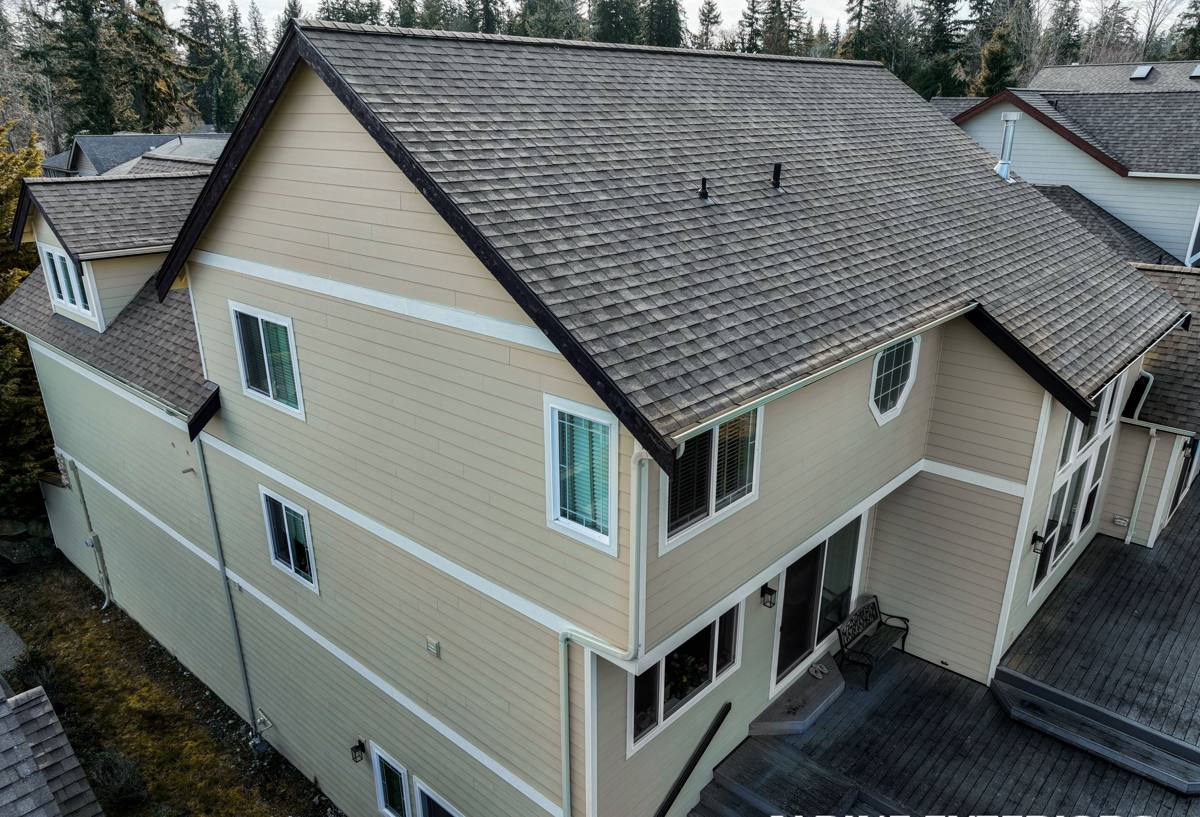
What Correct Window Installation Actually Involves
A window that looks fine from the driveway can still be a problem waiting to happen. Correct installation on the coast comes down to three things working together: the product's rated performance, how it's sealed into the wall, and what it's fastened with.
Wind and Impact Performance
Pinellas County falls within Florida's wind-borne debris region, which means new window installations generally need to use impact-rated glass or be paired with approved shutter protection, and they need to carry a wind pressure rating suited to the home's exposure. A near-coastal property like one in Indian Rocks Beach typically sits in a higher wind exposure category than a home set back inland, which affects the pressure rating the window needs to meet. This isn't a box to check for a permit — it's the difference between a window that stays intact in a storm and one that fails at the frame.
Flashing and Water Management
Most window failures we're called out to inspect aren't glass failures — they're water intrusion around the frame. Wind-driven rain doesn't fall straight down; it gets pushed sideways and upward into any gap in the flashing, house wrap, or sealant. Correct installation means integrating the window's flanges with the wall's water-resistive barrier in the right shingled order, using sill pans or back-dam details at the bottom of the opening, and sealing with products rated for exterior, UV-exposed use — not whatever caulk was on the truck.
Fasteners and Hardware
Standard steel fasteners and hardware corrode quickly this close to the water. We use stainless or coated fasteners rated for coastal exposure, and we pay attention to the window's own hardware — locks, hinges, balances — since manufacturers often offer coastal-grade options that hold up noticeably longer than the base hardware package.
Signs Your Windows Are Losing the Battle
Homeowners often live with a failing window for years before replacing it, because the signs are gradual. Watch for these:
- Fogging or a permanent haze between panes of a double-pane window, meaning the seal has failed
- Frames that feel soft, chalky, or pitted, especially aluminum frames showing white corrosion
- Difficulty opening, closing, or locking a window that used to operate smoothly
- Visible daylight or a draft around the frame when the window is closed
- Water staining on interior drywall or trim below or beside a window after heavy rain
- Noticeably higher cooling bills in a room with older, single-pane, or poorly sealed windows
- Rattling or whistling during windy conditions
Our Installation Process, Start to Finish
We run the same disciplined process on every Indian Rocks Beach job, whether it's one window or a whole house:
- On-site assessment. We measure every opening individually — coastal homes settle and shift, so openings are rarely perfectly square — and check the condition of the surrounding framing and water barrier.
- Product selection. We go over frame material, glass package, and wind rating options based on your home's exposure, budget, and how the windows will be used (fixed, operable, egress requirements in bedrooms, etc.).
- Permitting. We handle the permit application with Pinellas County or the relevant local jurisdiction, including the product approval documentation the window carries.
- Removal and prep. Old units come out carefully to protect the surrounding wall finish, and we inspect the opening for hidden rot or water damage before anything new goes in.
- Installation and flashing. The new window is set, shimmed level and plumb, and integrated into the wall's water barrier with proper flashing and sealant — this step is where most of the long-term performance is decided.
- Interior and exterior finish work. Trim, caulking, and paint touch-up are completed so the finished opening looks intentional, not patched.
- Final walkthrough and inspection. We test operation and locking on every unit and coordinate the final county inspection where required.
Choosing a Frame Material for This Exposure
There's no single "best" frame material for every home — it depends on your budget, how much upkeep you want to do, and how close to the water you are. Here's how the common options compare for a barrier-island property:
| Frame Material | Salt Air / Corrosion Resistance | Maintenance | General Cost Tier |
|---|---|---|---|
| Vinyl | Good — won't corrode, but color and finish can fade faster under intense year-round UV | Low — no painting, occasional cleaning | Lower to mid |
| Aluminum | Fair — durable structurally but prone to pitting and white corrosion near salt air unless properly coated | Moderate — coating may need attention over time | Lower to mid |
| Fiberglass / Composite | Very good — dimensionally stable and highly resistant to salt and UV degradation | Low | Mid to higher |
| Wood (with cladding) | Poor to fair without full exterior cladding — bare wood struggles in coastal humidity and salt exposure | High if uncladded | Higher |
We won't push one material as universally right. We'll tell you honestly which options make sense for your specific exposure and which ones will cost you more in upkeep than they save you upfront.
Permits and Code Compliance in Pinellas County
Every window replacement or new installation in this area needs a permit, and the installed product needs valid Florida product approval documentation for the wind pressure and impact requirements of your zone. Skipping the permit step is a common shortcut some installers take to save time — it's also how homeowners end up with uninsurable or unsellable work discovered years later during a roof claim or a home sale inspection. We pull the permit, use products with current approval documentation, and schedule the required inspections as part of the job, not as an afterthought.
Why a Crew That Already Works Indian Rocks Beach Makes a Difference
A lot of the practical challenges on a barrier-island job aren't about the window itself — they're about the property. Narrow lots, tight setbacks between homes, elevated foundations, and condo or HOA approval requirements are all more common here than a few miles inland. A crew that regularly works this specific stretch of coastline already knows how to stage a job on a small lot, what documentation an HOA board typically wants before work starts, and how to schedule around the seasonal rhythm of hurricane season so a home isn't left with an open wall during an active storm watch.
There's also a pattern-recognition advantage. A crew that has opened up dozens of Indian Rocks Beach walls has seen what actually fails first in homes of this age and construction type in this exposure — whether that's a specific flashing detail, a corroded fastener pattern, or hidden moisture behind an old aluminum frame. That experience shortens the assessment and reduces surprises mid-job.
Keeping New Windows Performing for the Long Haul
A correct installation is most of the battle, but a little upkeep protects that investment:
- Rinse frames and hardware periodically to reduce salt buildup, especially after storms
- Check and re-lubricate locks and rollers annually so they don't seize
- Inspect exterior caulking once a year and re-seal any cracked or separated joints promptly
- Keep window wells and sills clear of debris so water can drain as designed
- Have any fogging, sticking, or drafts checked early — these are cheaper to address before they become frame or wall damage
If you're weighing a window replacement or new installation on Indian Rocks Beach, we're happy to take a look and give you a straightforward, no-pressure estimate — just fill out the form below and we'll go from there.