 Clearwater Window
 Barrier-island living is part of what makes Indian Rocks Beach special, but it is also what wears out a roof faster than almost anywhere else in Pinellas County. Homes here sit close enough to the Gulf that salt-laden air, near-constant UV exposure, wind-driven rain, and the real threat of hurricane-force gusts all act on a roof at the same time, year after year. Asphalt shingles hold up well in this environment, but only when the materials and installation details are matched to what the location actually demands. A roof that would be perfectly adequate a few miles inland, away from open water, can fail early here if it's installed the same way.
We're a Clearwater-based crew that works Indian Rocks Beach and the surrounding barrier island and coastal Pinellas communities regularly, not occasionally. That matters more than it sounds like it should. The difference between a roof that lasts its full service life on this coastline and one that needs early repairs almost always comes down to details most homeowners never see: how the shingles are fastened, what goes underneath them, how the flashing is detailed, and whether the whole system was designed with wind and salt in mind from the start.
Why Indian Rocks Beach Roofs Take a Different Kind of Beating
Four forces act on an asphalt shingle roof here, and they compound each other rather than working one at a time.
Wind
Indian Rocks Beach sits directly on the Gulf with little to break sustained wind or gusts during tropical storms and hurricanes. Shingles carry a wind resistance rating, but that rating only holds up if the fastening pattern, adhesive sealant strips, and edge details were installed correctly. A rushed or under-nailed installation is often fine for years, until the one storm that finds every weak point at once.
Salt Air
Salt air is the quieter problem. It settles on roofing metal, fasteners, and even shingle granules over time, accelerating corrosion in flashing, nail heads, and vent components long before the shingles themselves show visible wear. A roof that looks fine from the ground can have compromised metal underneath it.
UV Exposure
UV exposure in this part of Florida is intense and essentially year-round. It breaks down the asphalt and oils in shingles over time, making them more brittle and less able to flex with temperature swings and wind uplift as they age.
Wind-Driven Rain
Storms here rarely deliver rain straight down. Wind pushes it sideways, and even upward under shingle edges, which means underlayment, flashing at penetrations and valleys, and starter course detailing all have to be done correctly or water finds its way in during exactly the storms when a roof needs to perform best.
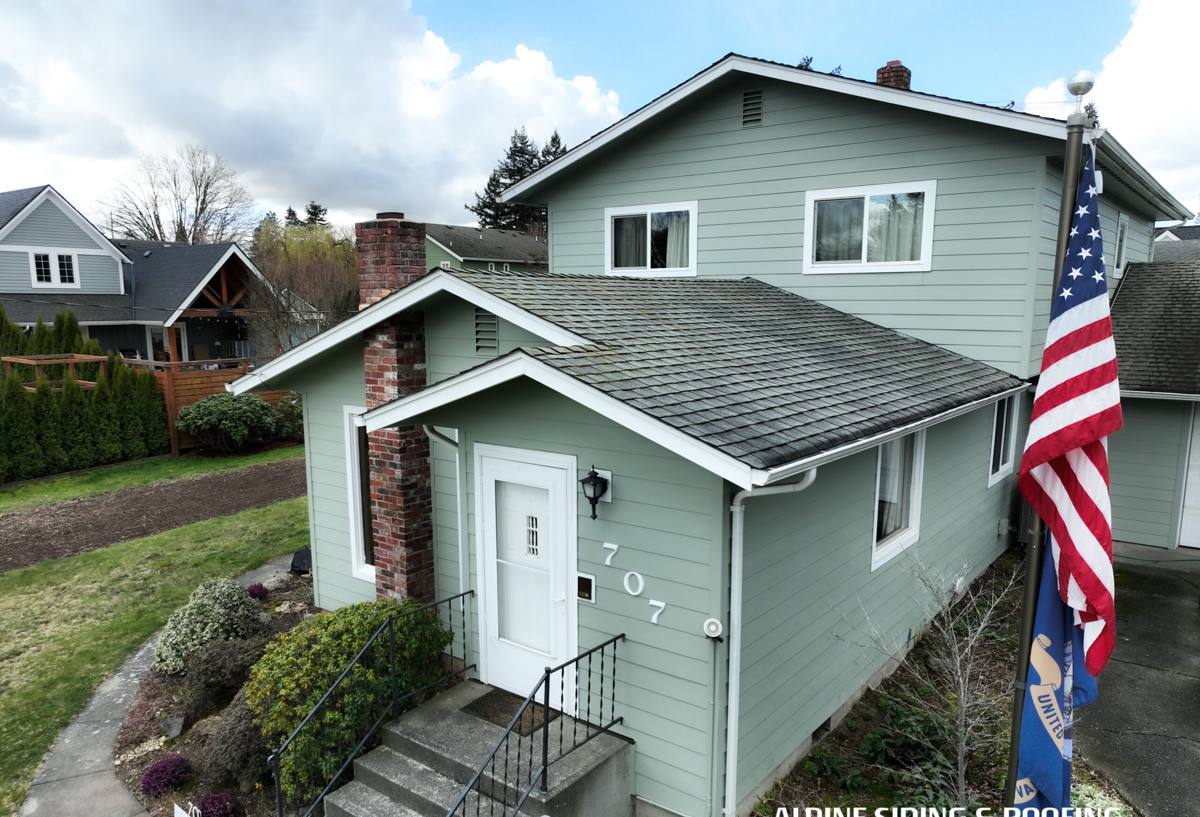
What a Correctly Installed Asphalt Shingle Roof Needs Here
A roof built for this location isn't just shingles nailed to plywood. Several details separate a roof that holds up on Indian Rocks Beach from one that doesn't.
Underlayment
A synthetic underlayment with good tear resistance, combined with self-adhering waterproof membrane at eaves, valleys, and around penetrations, gives the roof a second line of defense if wind ever lifts or damages shingles during a storm.
Fastening Pattern and Nail Count
This is not an optional upgrade here, it's a baseline requirement. Florida's high-velocity hurricane zone rules and Pinellas County's wind requirements call for specific nailing patterns, and in many cases six nails per shingle rather than four, placed exactly where the manufacturer specifies. This is one of the most common shortcuts on rushed jobs, and it's invisible once the roof is finished.
Flashing
Flashing at every transition, including chimneys, skylights, sidewalls, and plumbing vents, needs to be correctly lapped and sealed using corrosion-resistant metal given the salt air. Reused or improperly lapped flashing is a frequent source of leaks that show up long after the original installer is gone.
Ventilation
Ventilation has to move enough air through the attic to manage both summer heat buildup and moisture, without creating openings that become entry points for wind-driven rain. Balanced intake and exhaust ventilation extends shingle life by keeping attic temperatures and moisture in a reasonable range.
Choosing the Right Shingle for a Barrier Island Home
Not every asphalt shingle product is built the same way, and the differences matter more here than in a typical inland neighborhood. The table below compares the general categories homeowners usually choose between.
| Shingle Type | Wind Rating | Typical Lifespan | Coastal Notes |
|---|---|---|---|
| Three-tab shingles | Roughly 60–70 mph | 15–20 years | Lowest upfront cost, but also the lowest wind resistance; generally not the best fit for direct Gulf-facing exposure |
| Architectural / laminated shingles | Commonly 110–130 mph with correct fastening | 25–30 years | Heavier, layered construction handles wind uplift and UV better; the most common choice for this area |
| Impact-rated / high-wind architectural | Up to roughly 150 mph on rated products | 25–30 years | Added reinforcement; can support a stronger wind mitigation credit on insurance |
Shingle color also plays a role in a climate this sunny. Lighter colors reflect more heat and can modestly reduce attic temperatures during summer months, though color choice should ultimately be balanced against the overall look you want for the home.
Our Installation Process
We follow the same sequence on every Indian Rocks Beach project, because skipping steps is exactly how coastal roofs fail early.
Tear-Off and Deck Inspection
We remove the old roofing down to the deck rather than layering over existing shingles. This lets us actually see the plywood or OSB underneath, check for soft spots, rot, or fastener corrosion, and replace any damaged sections before anything new goes down. Roofing over hidden deck damage is one of the most common ways a new-looking roof fails within a few years.
Underlayment and Flashing
Self-adhering waterproof membrane goes down at eaves, valleys, and penetrations first, followed by synthetic underlayment across the rest of the deck. New flashing is installed at every wall, chimney, skylight, and vent penetration rather than reusing old pieces, since salt air corrosion is rarely visible until the metal is removed.
Shingle Installation and Ventilation
Shingles go down using the manufacturer's high-wind fastening pattern, with attention to starter strips at eaves and rakes, since these edges see the highest uplift forces in a storm. Ridge and soffit ventilation is checked and corrected as needed so the finished roof can actually breathe.
Final Inspection and Cleanup
We walk the completed roof, check flashing and fastening details, and clear the property of debris and nails before calling the job finished.
Signs Your Indian Rocks Beach Roof May Need Attention
A few warning signs are worth checking for between routine inspections, particularly after the local wet season or any tropical system moves through the area.
- Lifted or curling shingle edges, especially along eaves and rakes
- Granules collecting in gutters or at downspout outlets
- Visible nail heads or exposed fasteners on the shingle surface
- Soft spots or noticeable give when walking the roof deck area
- Water stains on interior ceilings after wind-driven rain events
- Rust streaking around flashing, vents, or metal penetrations
- Missing shingles or shingle pieces after any named storm
Maintenance in a Salt Air Environment
An asphalt shingle roof on the barrier island benefits from more regular attention than the same roof would need a few miles inland.
Gutters and downspouts should be checked more often, since salt air combined with organic debris accelerates corrosion in metal components, and clogged gutters push water back under roof edges during heavy rain.
Dark streaking on shingles is usually algae rather than damage, but it's worth monitoring since heavy growth can hold moisture against the shingle surface longer than normal.
A post-storm walk-around after any named storm or significant wind event is worth doing every time, checking for lifted shingle edges, exposed nail heads, or granule loss in gutters, even if there's no visible leak yet. Annual inspections catch smaller issues, like a slightly lifted flashing edge or a cracked pipe boot, before they become interior water damage.
Permits, Wind Mitigation, and Insurance Considerations
Roofing work in Pinellas County requires a permit, and inspections confirm the installation meets Florida's high-velocity hurricane zone requirements that apply to this coastal area. Beyond code compliance, a properly documented new roof is also the basis for a wind mitigation inspection, which can lower windstorm insurance premiums significantly. Insurers want to see specifics: nailing pattern, roof deck attachment method, secondary water barrier presence, and the roof covering's wind rating. A crew that documents these details correctly during installation makes that inspection straightforward later instead of a guessing game.
Why a Crew That Already Works Indian Rocks Beach Matters
Coastal roofing isn't simply inland roofing done near water. A crew unfamiliar with barrier island conditions may default to standard fastening patterns, standard underlayment, or standard ventilation, because that's what works everywhere else. On Indian Rocks Beach, standard isn't enough. Working this area regularly means knowing which details the local wind and salt exposure actually demand, understanding Pinellas County's permitting and inspection expectations, and being available for follow-up if a storm rolls through during the roof's service life.
Working here regularly also means knowing which suppliers keep the right coastal-grade underlayment and corrosion-resistant flashing components in stock, rather than discovering a needed material is on backorder in the middle of a project. Local presence also means a faster response if something needs attention after the job is done, rather than waiting on a crew that has to travel in from well outside the area.
If you're weighing options for an asphalt shingle roof on Indian Rocks Beach, we're happy to take a look and walk you through what your home specifically needs. A free, no-pressure estimate is a good way to get straight answers before making a decision — the form below is the easiest way to reach us.