 Clearwater Window
 Windows Built for Skycrest's Corner of Clearwater
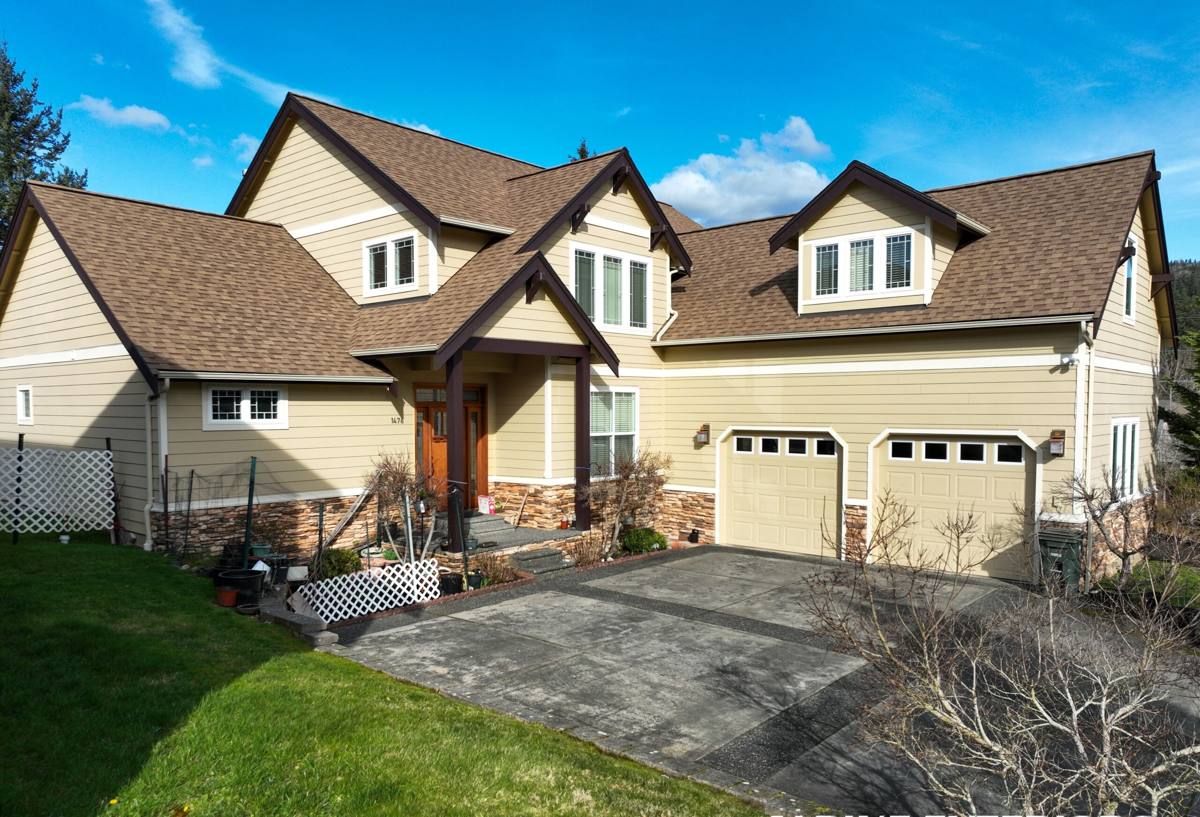
Skycrest is one of Clearwater's older, established residential neighborhoods, which means a lot of the housing stock is carrying original or long-since-aged windows that were never designed for the wind and moisture loads Pinellas County sees today. When we go out to look at a window job in this part of Clearwater, we're usually looking at one of two situations: windows that are original to the house and simply worn out, or a prior replacement job that was done with a stock size, a poor seal, or a frame that was never rated for the conditions here. Either way, "custom" isn't a marketing word for this kind of work — it's the only way to get a window that actually fits the opening, seals correctly, and holds up.
This page is specifically about custom window installation for Skycrest homes — what the local climate demands, what a correct install actually involves, and why it matters to work with a crew that already knows this neighborhood's housing stock rather than a company parachuting in from out of the area.
What Pinellas County Weather Does to Windows Over Time
Clearwater sits on a peninsula surrounded by the Gulf and Tampa Bay, and that location shapes everything about how windows age here. Four things do most of the damage, and they rarely act alone.
Hurricane-Force Wind
Pinellas County requires windows to meet Florida Building Code wind-load and wind-borne-debris standards for our wind zone. Older single-pane or non-rated windows flex under gusts, and repeated flexing loosens frames, cracks glazing, and eventually compromises the seal around the opening long before a named storm ever makes landfall. A window that isn't rated for the pressures we see here is a weak point in the whole building envelope, not just an inconvenience.
Intense, Year-Round UV
Florida's sun doesn't take a season off. UV exposure breaks down vinyl frames, dries out and cracks old glazing compound and weatherstripping, and fades interior floors and furnishings through unprotected glass. Windows that looked fine five years ago can have brittle seals and chalky, UV-degraded frame surfaces well before anything looks visibly "broken."
Wind-Driven Rain
Rain that comes in sideways during a Gulf storm finds every gap a calm-weather rain never would. Water intrusion around window frames is one of the most common — and most expensive — sources of hidden damage in Clearwater homes, because it shows up as rot, mold, or stained drywall well after the water actually got in. A properly flashed and sealed window opening is your first line of defense against this, and it's one of the easiest things to get wrong on a rushed install.
Salt Air
Even a few miles inland from the water, salt-laden air accelerates corrosion on hardware, fasteners, and lesser-grade aluminum components. Locks that stick, cranks that seize, and hinges that pit and discolor are almost always a salt-air issue, not a manufacturing defect — which is why hardware quality and finish matter as much as the glass itself for anything installed in this area.
Signs It's Time to Replace, Not Repair
Not every window issue calls for full replacement, but in a coastal climate, repairs on an aging window are often a short-term patch on a longer-term problem. Here's what tells us a Skycrest homeowner is better off with a replacement:
- Visible daylight, drafts, or road noise coming through around the sash or frame
- Fogging or a persistent haze between panes of double-glazed glass (a failed seal — this cannot be repaired, only replaced)
- Frames that are soft, discolored, or show separation at the corners
- Windows that are painted shut, won't stay open, or require force to lock
- Noticeably higher cooling bills without another clear cause
- Any sign of water staining, bubbling paint, or soft drywall on the interior wall below or around a window
- Single-pane or non-impact-rated glass in a home that's never been upgraded to current wind standards
What "Custom" Means for a Correct Retrofit
"Custom" doesn't mean expensive or elaborate — it means the window is built and installed to match the actual opening in your actual house, not the other way around. That distinction matters more in older Clearwater neighborhoods than almost anywhere else, because decades of settling, prior renovations, and Florida's humidity swings mean very few openings in an older home are still perfectly square.
Measuring for a True Fit
A correct measurement accounts for the opening's actual width, height, and squareness at multiple points, not just one reading. If an opening is out of square — which is common in a home that's been through decades of Florida humidity cycles — a stock-sized window will either bind, gap, or need shims and extra sealant to compensate. Extra sealant is not a substitute for a correct fit; it's a sign one wasn't achieved.
New-Construction vs. Retrofit Frames
There are two general approaches to replacing a window: a retrofit (or "insert") unit that fits inside the existing frame, and a new-construction unit that removes the old frame down to the rough opening and starts fresh with new flashing. Retrofit units are faster and less invasive, and they're often the right call when the existing frame is sound. New-construction replacement costs more and takes longer, but it's the right call when there's any sign of water damage, rot, or an opening that's badly out of square — because it lets us address what's happening behind the old frame, not just what's visible in front of it. Part of doing this work honestly is telling a homeowner which situation they actually have, rather than defaulting to whichever option is faster to sell.
Frame and Glass Options Compared
There isn't one "best" window for every Skycrest home — the right choice depends on the home's age, exposure, and budget. Here's how the common options stack up for a Gulf Coast climate:
| Frame Material | Strengths in This Climate | Trade-Offs |
|---|---|---|
| Vinyl | Won't corrode in salt air, good insulator, low maintenance | Can expand/contract with heat; quality varies widely by manufacturer |
| Aluminum | Strong and slim sightlines, handles wind load well when properly rated | Conducts heat/cold, needs a quality finish to resist salt-air corrosion |
| Fiberglass | Very stable dimensionally, resists warping and UV degradation well | Higher upfront cost than vinyl |
| Wood-clad | Traditional appearance for older homes | Highest maintenance burden in humid, salty coastal air; not our first recommendation here |
On the glass side, the meaningful choice for this area is between standard insulated glass paired with separate storm protection, versus impact-rated laminated glass that meets wind-borne-debris requirements on its own. Impact glass costs more upfront but removes the need to install and store shutters or panels before every storm, and it also cuts down on outside noise and UV transmission day to day — a real benefit given how much sun Clearwater gets year-round.
Meeting Florida Building Code and Pinellas County Permitting
Window replacement in Clearwater isn't a swap-it-yourself weekend project once you're doing it correctly — it's regulated work. Pinellas County and the City of Clearwater both require permits for window replacement, and the windows themselves have to carry the correct product approval and wind-load rating for our area under the Florida Building Code. This isn't red tape for its own sake: it's what confirms a window was actually engineered to hold up to our wind conditions, not just designed to look right.
A permitted, inspected job also matters for practical reasons beyond code compliance — insurance carriers increasingly ask for documentation of impact-rated or code-compliant windows when writing or renewing coverage in coastal Florida, and an unpermitted replacement can complicate a future home sale or insurance claim. Any contractor doing this work in Clearwater should be pulling permits as a matter of course, not treating it as optional.
Our Installation Process, Start to Finish
A correct install follows the same sequence every time, whether it's one window or a whole house:
- On-site measurement and assessment — we measure every opening individually and check the condition of the existing frame, sill, and surrounding structure for any hidden moisture damage.
- Product selection — we go over frame material, glass package, and impact rating options based on the home's exposure and your budget, with honest trade-offs, not upselling.
- Permitting — we handle the permit application with Pinellas County or the City of Clearwater before any work begins.
- Removal — old windows and, where needed, old frames come out carefully to avoid unnecessary damage to surrounding stucco, siding, or drywall.
- Inspection of the opening — before the new window goes in, we check the rough opening for rot, deteriorated framing, or prior water damage that needs to be addressed first.
- Flashing and sealing — proper flashing and a continuous sealant bead around the frame are what actually stop wind-driven rain; this step gets rushed on cheap jobs and it shouldn't be.
- Setting and securing the window — the unit is set level, plumb, and square, then fastened per the manufacturer's and code's specifications for our wind zone.
- Interior and exterior finish work — trim, caulking, and paint touch-up so the install looks finished, not patched.
- Final walkthrough and inspection — we confirm operation, sightlines, and seal quality with you, and the job goes through the required county or city inspection.
Why a Crew That Already Works Skycrest Matters
Window replacement done wrong doesn't usually fail on day one — it fails quietly, two or three years later, as a leak, a stuck lock, or a spike in the electric bill. That delayed failure is exactly why hiring the right contractor the first time matters more than shaving a little off the price. A crew that regularly works in Skycrest and the surrounding Clearwater neighborhoods already knows the typical age and construction of the housing stock here, has a working relationship with the local permitting office, and has seen firsthand how different products actually hold up to a real Gulf Coast wind and rain season — not just a spec sheet.
When you're vetting a window contractor in this area, a few things are worth checking before you sign anything:
- Are they licensed to do this work in Florida, and can they show proof of insurance?
- Do they pull permits themselves, or expect you to handle it?
- Can they explain the wind-load and impact rating of the specific product they're proposing for your home?
- Do they offer a written estimate that specifies frame material, glass type, and installation method — not just a total price?
- Will they tell you when a retrofit is enough, instead of always recommending the more expensive full-frame replacement?
- Do they stand behind both the product warranty and their own installation workmanship?
A contractor who can answer those questions clearly, without hedging, is generally one who's done this enough times in this exact climate to know what actually matters.
Caring for New Windows After Install
Correctly installed windows are low-maintenance, but "low" isn't "none" in a salt-air climate. Rinsing frames and hardware periodically, especially if you're closer to the water, keeps salt residue from accelerating corrosion on hinges, locks, and cranks. Checking exterior caulking once a year for cracking or gaps — particularly after hurricane season — catches small sealant failures before they become water intrusion problems. And keeping weep holes at the base of the frame clear of dirt and debris lets the window drain the way it's designed to during heavy rain.
If you're weighing whether it's time to replace the windows in your Skycrest home, we're happy to take a look and give you a straight answer — including telling you if a repair is enough and a full replacement isn't necessary yet. Reach out for a free, no-pressure estimate using the form below.