 Clearwater Window
 Board & Batten Siding on the Barrier Island: What Indian Rocks Beach Homes Are Up Against
Indian Rocks Beach sits in a different exposure category than a home a few miles inland in Clearwater proper. Being this close to the Gulf means near-constant salt-laden air, direct sun for most of the year, and the kind of wind-driven rain that finds every gap a siding installer left behind. Board and batten is a popular look here because the vertical lines read as coastal and clean, but the style only holds up long-term if the material underneath it and the installation details are matched to this environment. A batten pattern that looks identical to one in a dry inland climate can perform very differently once it's facing salt spray and hurricane-season gusts year after year.
We install board and batten siding throughout Pinellas County, and homes in and around Indian Rocks Beach get a specific set of considerations: closer proximity to salt air, higher wind-load expectations, and UV exposure that doesn't really let up in any season. This page walks through what that means for material choice, installation, and maintenance if you're considering board and batten for a home in this area.
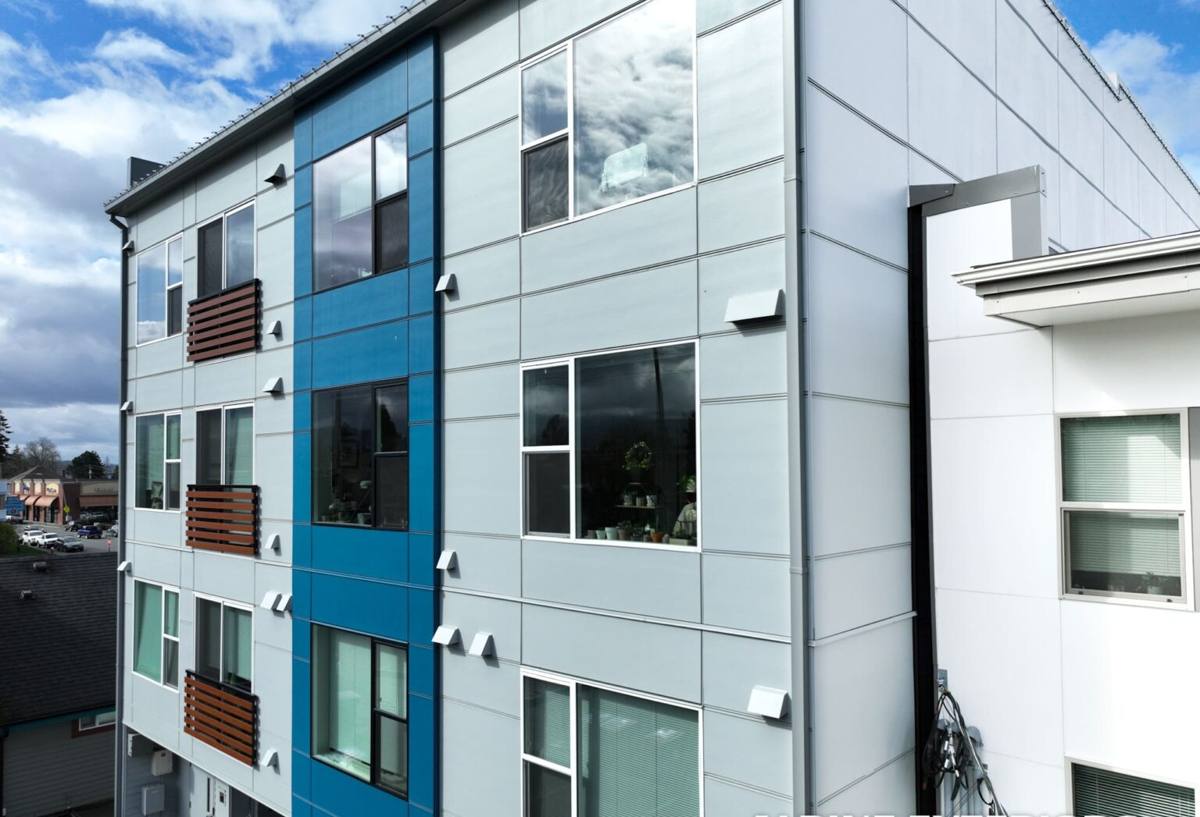
Why Board and Batten Specifically Struggles in Coastal Conditions (When Done Wrong)
Board and batten relies on vertical boards with narrow strips (battens) covering the seams between them. That seam-and-batten geometry is exactly where coastal climates cause the most trouble if the wrong material or wrong technique is used:
- Seam exposure: more linear seams per square foot than lap siding, meaning more edges where moisture can try to work its way behind the cladding if fasteners or caulking are done poorly.
- Wind uplift on battens: narrow battens have less fastening surface than a full lap board, so under-fastened battens are the first thing to loosen in sustained coastal wind.
- UV on vertical faces: vertical board faces catch direct sun differently than horizontal lap siding, which matters for paint and finish longevity on lower-grade materials.
- Salt deposition: wind off the water carries fine salt particles that settle on every exterior surface, including battens and the caulked joints beneath them.
None of this means board and batten is a bad choice for Indian Rocks Beach. It means the material and the installer both need to be built for this specific exposure, not for a generic climate.
Why We Install James Hardie for Board and Batten Here
We build every board and batten job with James Hardie fiber cement — specifically their HardiePanel or HardieTrim board and batten systems, factory-finished with ColorPlus Technology. We don't install vinyl board and batten, LP SmartSide, cedar, or primed spruce battens, and on a barrier island property that's not a marketing position — it's a practical one.
What Fiber Cement Does That Wood-Based and Vinyl Products Don't
- Non-combustible: Hardie fiber cement won't ignite from embers or radiant heat the way wood-based composite panels can.
- Dimensionally stable in humidity swings: Gulf-coast humidity cycles daily. Wood-based panels expand and contract with moisture content; fiber cement is engineered to resist that movement, which matters at every batten seam.
- Factory-cured finish: ColorPlus finish is baked on in a controlled environment and backed by its own finish warranty, rather than relying on field-applied paint holding up against direct coastal UV.
- Rated for high-wind assemblies: Hardie's engineering data and installation specs are built around real wind-load testing, which is directly relevant to hurricane-season exposure this close to the water.
Vinyl board and batten is common and inexpensive, but it softens and can distort in extreme heat and is more vulnerable to wind-driven debris impact. Cedar and primed spruce battens look great on day one, but wood needs ongoing sealing and repainting to resist moisture intrusion at every seam — a maintenance burden that gets worse, not better, in salt air. We'd rather put a product on your home that's engineered for this exposure than sell you something that needs constant upkeep to survive it.
What a Correct Board and Batten Installation Involves
The board and batten look is simple. The installation behind it isn't, and most of the failures we see on older coastal homes trace back to shortcuts at these specific steps:
Water-Resistive Barrier and Flashing
Every board and batten job starts with a continuous water-resistive barrier behind the panels, with flashing detailed at every window, door, and penetration. In a wind-driven rain event — which is a normal Tuesday during storm season here — water will get pushed sideways against the wall. The barrier and flashing are what keep it from reaching the sheathing, not the siding face itself.
Fastening Pattern
James Hardie publishes specific fastener spacing and embedment requirements for board and batten assemblies in high-wind zones, and those specs are tighter than what's typically used inland. Battens need to be fastened at intervals that account for local wind-load requirements, not just "enough to hold it up."
Batten Seam Treatment
Where boards meet battens, the joint needs proper gapping and sealant compatible with the ColorPlus finish — not just any exterior caulk. Sealant that isn't rated for this application can fail well before the siding does, opening a path for moisture even though the panels themselves are fine.
Clearances
Bottom clearance from grade, roofing, decks, and hardscape all matter more on coastal properties where humidity and occasional standing water are more common. Correct clearance keeps the lowest boards from sitting in prolonged moisture.
Our Process for Indian Rocks Beach Projects
| Step | What Happens |
|---|---|
| Site walk and assessment | We evaluate existing siding condition, wall assembly, wind exposure, and any moisture damage before quoting anything. |
| Product and layout plan | We spec Hardie board and batten panel width, batten spacing, and ColorPlus color to match your home's design and HOA or neighborhood expectations if applicable. |
| Tear-off and substrate check | Old siding comes off and the sheathing underneath gets inspected for rot or water damage before anything new goes on. |
| Barrier and flashing install | Water-resistive barrier and flashing details go in per manufacturer spec, sized for wind-driven rain exposure. |
| Panel and batten install | Fastened to Hardie's high-wind-zone spec, not a generic inland pattern. |
| Final seal and walkthrough | Joint sealant, trim detailing, and a final walkthrough so you know exactly what was done and why. |
Why a Crew That Already Works This Area Matters
Barrier island and near-coastal work isn't the same job as siding a home a few miles inland. A crew that regularly works Indian Rocks Beach and the surrounding Clearwater coastline already knows the wind-load expectations, the moisture behavior of a wall this close to the Gulf, and the kind of flashing details that matter here versus what's "good enough" elsewhere. That familiarity shows up in decisions that aren't on the invoice — where extra fastening makes sense, which clearances to hold to on a lower elevation lot, how to detail around salt-exposed metal trim and hardware.
It also matters for permitting and inspection. Pinellas County's coastal construction requirements and wind-load standards are things a crew that works this area regularly handles routinely, rather than researching for the first time on your project.
Maintenance: What Board and Batten Actually Needs Here
One advantage of Hardie board and batten over wood-based alternatives is a much lighter maintenance load, but "lighter" isn't "none," especially this close to the water:
- Rinse the exterior periodically to remove salt film buildup, particularly on sides facing the Gulf.
- Inspect caulked joints at battens and trim annually for cracking or separation, and re-seal as needed.
- Keep an eye on any area where sprinklers or irrigation regularly hit the siding directly — repeated wetting in one spot is worth watching regardless of material.
- After major storms, do a visual check for loose battens, trim, or fastener pops before small issues become bigger ones.
None of this requires repainting or resealing the way a wood-based board and batten system would. That's the practical payoff of the material choice, not just a spec-sheet claim.
Cost Factors for This Project
Every home is different, but the main variables that affect a board and batten project in this area are consistent:
| Factor | Why It Affects Cost |
|---|---|
| Tear-off scope | Removing and disposing of existing siding versus a simpler substrate condition. |
| Substrate repair | Any rot or moisture damage found once old siding is off needs to be corrected before new siding goes on. |
| Wall complexity | Dormers, multiple stories, and architectural detail add labor and material cuts. |
| Batten spacing and pattern | Tighter batten spacing uses more material and more fastening labor per square foot. |
| Trim and accent detailing | Corner boards, window trim, and transition details add finish work. |
We'll walk your specific home and give you a real number based on what we actually find, not a generic square-footage estimate.
Is Board and Batten the Right Call for Your Indian Rocks Beach Home?
Board and batten works well on a lot of home styles common to this stretch of coastline — coastal cottage, farmhouse-influenced, and modern coastal designs all lend themselves to the vertical-line look. It's not the only siding profile worth considering, and part of our job on the site visit is being honest about whether it's the best fit for your home's architecture and exposure, or whether a different Hardie profile makes more sense for a particular elevation.
If you're weighing board and batten against other options, we're glad to walk through the trade-offs in person rather than push one profile because it's trending. What matters most is that whatever goes on the house is engineered for this climate and installed to hold up in it.
Get a Free, No-Pressure Estimate
If you're considering board and batten siding for a home in Indian Rocks Beach or anywhere along this part of the Clearwater coastline, we're happy to take a look and give you straight answers about what your home needs. Use the form below to request a free estimate — no pressure, no obligation.