 Clearwater Window
 Why Countryside Roofs Wear Out Faster Than the Warranty Suggests
Countryside is a well-established residential community within Clearwater, and like most of Pinellas County, its homes sit under a climate that is genuinely hard on a roof. It isn't one thing — it's the combination. Intense, nearly year-round UV breaks down asphalt oils and shingle granules faster than manufacturer testing (often done in milder climates) predicts. Hurricane-force wind events test every fastener, seam, and flashing detail at once. Wind-driven rain finds any gap in underlayment or flashing and pushes water sideways, not just down. And even well inland from the immediate coastline, salt-laden air corrodes exposed metal fasteners, vents, and flashing over time. None of these forces are dramatic on their own in any given month, but stacked year after year, they shorten the real-world service life of a roof well below its rated lifespan.
A roof replacement done right for a Countryside home isn't just "put new shingles on." It's a system built to handle that combined load, installed correctly the first time, because the cost of doing it wrong shows up later as a leak, a lifted section of shingles after the next storm, or a failed wind mitigation inspection.
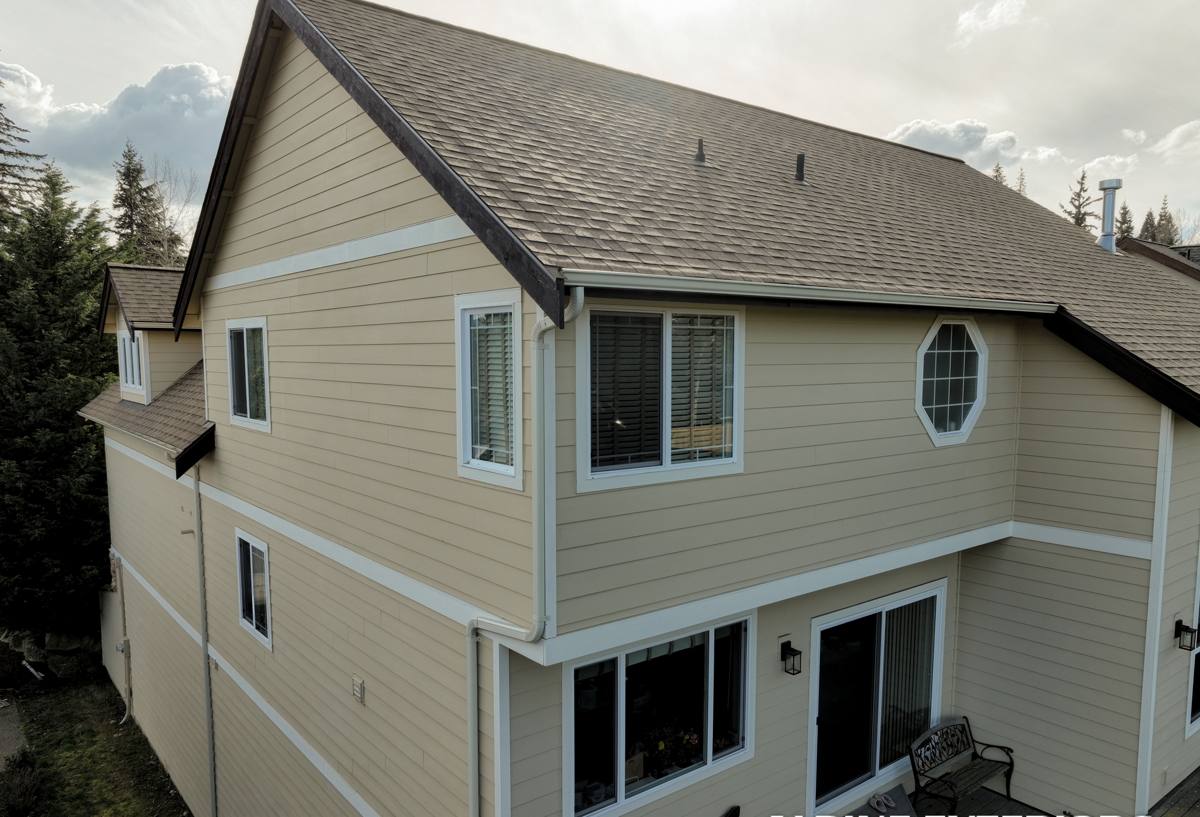
Signs a Countryside Home Needs Replacement, Not Another Repair
Roof repairs have their place, but there's a point where patching a roof costs more over time than replacing it — and where repairs simply can't fix what's actually wrong underneath. Homeowners in this area typically reach that point when they see:
- Granule loss heavy enough that shingles look patchy, blotchy, or bald in sun-exposed areas
- Curling, cupping, or cracked shingle edges, especially on south- and west-facing slopes
- Repeated leaks in different spots after each rainy season or storm, not the same one spot
- Visible sagging in the roof deck, or soft spots felt when walking the roof
- Rusted, lifted, or missing flashing around chimneys, skylights, and roof-to-wall transitions
- A roof approaching or past 18-20 years old (asphalt) with no records of a full tear-off replacement
- An insurance company or 4-point inspection flagging the roof's age or condition
If more than one or two of these apply, a repair is usually a short-term patch on a roof that's already past the point where the underlying materials can be trusted.
What Florida Building Code and Pinellas County Actually Require
Roof replacement in this area isn't a handshake job — it's a permitted, inspected process under the Florida Building Code, which has some of the strictest wind-uplift and product-approval standards in the country. Permits through Pinellas County or the City of Clearwater (depending on exact jurisdiction) typically require documentation of the roofing system's wind rating, proper attachment schedule for the local wind zone, and code-compliant underlayment. A licensed contractor pulls the permit, schedules the required inspections (often a dry-in inspection before shingles go down and a final inspection after), and closes it out with the county — which matters later for resale, insurance, and any wind mitigation credit.
Skipping permits, or using a contractor who doesn't pull them, can come back to bite a homeowner at resale or during a claim, when an unpermitted roof can complicate both the sale and the insurance payout.
Material Options for a Countryside Home
There's no single "best" roofing material — the right choice depends on budget, the home's structure, HOA or architectural expectations common in established communities, and how long the homeowner plans to stay in the house. Here's how the common options compare for this climate:
| Material | Typical Lifespan | Wind Performance | Maintenance | Relative Cost |
|---|---|---|---|---|
| Architectural asphalt shingle | 18-25 years | Good, when rated and installed for high-wind zones | Low; periodic inspection | Lowest |
| 3-tab asphalt shingle | 12-18 years | Lower wind rating than architectural | Low | Low |
| Concrete or clay tile | 30-50 years | Very good when properly fastened; individual tiles can crack from impact | Moderate; occasional tile replacement | Higher |
| Standing seam metal | 30-50 years | Excellent | Low | Highest |
Many Countryside homes were originally built with shingle or tile roofs, and we generally recommend replacing like-for-like unless the structure and budget support a change — switching roof types mid-life can affect the roof deck, flashing details, and sometimes HOA appearance guidelines in established neighborhoods.
A Note on Product Choice and Our Standards
We install the systems we do because they hold up to real trade-offs, not because one brand is "better" in the abstract. Some lower-cost tile underlayment systems, for example, are more sensitive to installation error and moisture intrusion over time than others — so where we have a choice, we lean toward products and details with a track record of forgiving normal wear rather than requiring perfect conditions to perform. That's a maintenance and moisture-management decision, not a knock on any manufacturer.
What a Correct Roof Replacement Actually Involves
Full Tear-Off, Not Overlay
We remove the old roofing material down to the deck rather than layering new shingles over old. Overlays trap heat, hide deck damage, and are restricted under Florida code in many situations anyway. A tear-off is the only way to actually inspect and fix what's underneath.
Deck Inspection and Repair
Once the deck is exposed, we check for rot, delamination, or nail pops — common in older Countryside homes where the original decking has never been fully exposed since the house was built. Any damaged sheathing gets replaced before anything else goes down; skipping this step is one of the most common shortcuts that leads to early failure.
Underlayment Built for Wind-Driven Rain
A code-compliant underlayment system, properly lapped and fastened, is what actually keeps a home dry during sideways rain — the shingles are the first line of defense, but the underlayment is the backup that matters when wind pushes water uphill under the shingle edge.
Flashing at Every Transition
Chimneys, skylights, roof-to-wall junctions, and valleys are where most leaks start. Correct flashing — new, properly lapped, and sealed — at every one of these points is non-negotiable, not an upgrade option.
Ventilation That Matches the Attic
Proper intake and exhaust ventilation keeps attic temperatures and moisture in check, which protects both the new roof's underside and the shingles' warranty. A poorly ventilated attic can shorten shingle life significantly regardless of how good the material is.
Fastening Schedule for the Wind Zone
Nail or fastener pattern, count, and placement are specified by code for the local wind zone — this is one of the most commonly shortcut details on cheap installs, and it's exactly what determines whether a roof stays intact in a serious wind event.
Our Process, Start to Finish
1. On-Site Inspection and Honest Assessment
We walk the roof and attic, document current condition, and tell you plainly whether you need a replacement, a repair, or can reasonably wait.
2. Written Estimate and Material Selection
You get a clear, itemized estimate and a straightforward conversation about material options, trade-offs, and what fits your budget and timeline — no pressure, no upsell theater.
3. Permitting
We pull the required permit through the appropriate local jurisdiction and handle the scheduling of code-required inspections.
4. Tear-Off and Deck Repair
Old material comes off, the deck is inspected and repaired as needed, and the property is protected throughout — landscaping, driveways, and pool areas covered before work starts.
5. Installation
Underlayment, flashing, ventilation components, and the finished roofing material go on in the correct sequence, following the fastening schedule for our wind zone.
6. Final Inspection and Cleanup
We coordinate the county's final inspection, do a full magnetic sweep and site cleanup for stray nails and debris, and walk the finished roof with you before calling the job done.
What Roof Replacement Costs, and What Actually Moves the Number
Broad ranges only — every roof is different, and the only way to get a real number is an on-site look. That said, the biggest cost swings for Countryside homes usually come down to a handful of factors:
| Cost Factor | Why It Matters |
|---|---|
| Roof size and pitch | Larger and steeper roofs take more material and labor time |
| Number of layers to remove | Multiple existing layers mean more tear-off labor and disposal |
| Deck condition | Rotted or delaminated sheathing adds material and labor to replace |
| Material choice | Shingle, tile, and metal carry very different material costs |
| Roof complexity | Valleys, dormers, skylights, and chimneys add flashing labor |
| Wind rating and fastening requirements | Higher wind-zone specs can mean more fasteners and labor time |
We break all of this down in the written estimate so you know exactly what you're paying for and why — not a single lump number with no explanation behind it.
Insurance, Wind Mitigation, and What a New Roof Can Do for Your Premium
A properly permitted, code-compliant new roof can improve your standing on a wind mitigation inspection, which insurers in Florida use to set premiums. Features like a properly rated roof covering, correct fastening, and hip roof geometry (where applicable) can qualify for credits. We can't promise a specific premium outcome — that's between you and your insurer — but we can make sure the roof itself is built to earn the credits it's eligible for, and we're glad to provide the documentation your insurance company or inspector will ask for.
Why a Crew That Already Works Countryside Matters
A contractor who regularly works this specific area already knows the permitting process with Pinellas County and the City of Clearwater, understands the wind zone requirements that apply here, and has seen how the local building stock ages under this climate. That familiarity shows up in fewer surprises: fewer permit delays, fewer "we didn't expect that under the old shingles" moments, and a finished roof built for the conditions it will actually face — not a generic install dropped into a different climate.
Questions Worth Asking Before You Hire Anyone for This Job
- Are you licensed to work in Florida, and can I see proof of current insurance?
- Will you pull the permit yourself, and who schedules the inspections?
- What underlayment and fastening schedule do you use for this wind zone?
- Is the estimate itemized, or is it one lump number?
- Do you inspect and repair the deck as part of the job, or only if I ask?
- What happens if you find rot or damage once the old roof comes off?
If a contractor can't answer these clearly and specifically, that's worth noticing before you sign anything.
If your Countryside roof is showing its age or you just want an honest read on where it stands, we're happy to take a look. Use the form below to request a free, no-pressure estimate — we'll walk the roof, tell you what we see, and give you a straight answer either way.