 Clearwater Window
 Siding Replacement Built for Sunset Point's Waterfront Exposure
Sunset Point sits close to Clearwater Harbor, and that proximity to open water changes what a siding replacement actually needs to accomplish. Homes just a few blocks inland from Tampa Bay-area coastline deal with a different combination of stresses than homes further from the water: near-constant salt aerosol drifting off the harbor, higher ambient humidity, and direct exposure to wind whenever a storm tracks through Pinellas County. Siding here isn't just a cosmetic upgrade — it's the layer standing between that environment and the wood framing, sheathing, and interior of the house.
We work on siding replacements throughout Clearwater, but Sunset Point's mix of older bungalows, mid-century block homes, and canal- or harbor-facing lots means the failure patterns we see, and the fixes that actually hold up, are fairly consistent. This page walks through what we look for, what correct work involves, and why the climate here rewards getting it right the first time.
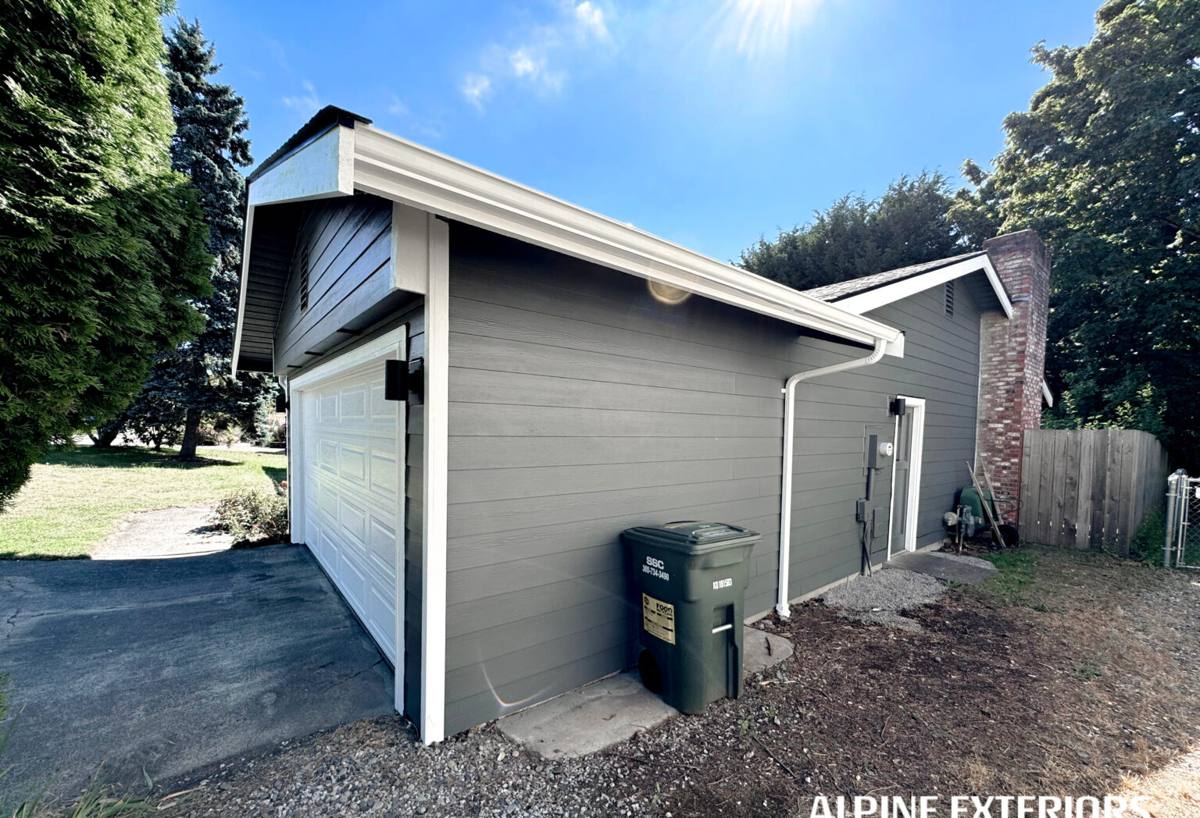
What Salt Air, UV, and Wind-Driven Rain Do to Siding Over Time
Every siding material ages differently under coastal Florida conditions, but the mechanisms of damage are the same regardless of what's on the wall:
Salt Air and Corrosion
Airborne salt from Clearwater Harbor settles on exterior surfaces and works its way into seams, fastener heads, and any exposed edge. On siding systems that rely on unprotected steel fasteners or untreated trim, this shows up as rust streaking, fastener pull-through, and eventually soft spots where moisture has been wicking in behind the material for years without anyone noticing from the ground.
UV Exposure
Central Florida sun is intense and consistent for most of the year. Painted wood and lower-grade composite products chalk, fade, and lose their protective finish faster here than in milder climates, which shortens the interval between repaints and increases the odds that moisture finds its way in through a compromised surface.
Wind-Driven Rain
Clearwater's storm season brings rain that doesn't just fall — it's pushed sideways into walls, laps, and trim joints at speed. Siding and flashing details that would hold up fine in a calmer climate can leak here if the laps, joints, and terminations weren't installed with wind-driven rain specifically in mind.
Hurricane-Force Wind Loads
Beyond routine wind, Pinellas County homes have to be built and re-sided to withstand design wind speeds tied to hurricane risk. That means fastening schedules, edge distances, and product wind ratings aren't optional details — they're the difference between siding that stays on the house and siding that becomes storm debris.
Why We Install Only James Hardie Fiber Cement Here
We've made a deliberate decision not to install vinyl siding, LP SmartSide, or other wood-based composite products, and Sunset Point's environment is a good example of why. Vinyl softens, warps, and can crack under sustained UV and heat, and it isn't a structural wind-rated system in the same way engineered fiber cement is. Wood-based composites, even engineered ones, depend on an intact factory coating to keep moisture out — once that coating is compromised at a cut edge or fastener hole, humidity and salt air give the substrate every opportunity to swell or deteriorate from the inside out.
James Hardie fiber cement is cement, sand, and cellulose fiber — it doesn't rot, it isn't a food source for pests, and it's non-combustible. Hardie also builds specific product lines for exactly this climate: HZ5 formulations are engineered for high-humidity, hurricane-prone regions like the Gulf Coast, with moisture and freeze-thaw performance tuned for where the siding is actually being installed. The factory-applied ColorPlus finish is baked on under controlled conditions, which gives it more consistent UV and fade resistance than a field-applied paint job, and it carries a longer finish warranty than most homeowners get from repainting wood or composite siding every several years.
None of this makes Hardie maintenance-free — it still needs proper caulking maintenance and periodic inspection like any exterior material. But the trade-offs run in the homeowner's favor in a place like Sunset Point: less vulnerability to the specific things that beat up siding here, and a product warranty structure built around real-world coastal performance rather than fair-weather conditions.
What a Correct Siding Replacement Involves
A siding replacement is only as good as what's underneath it and how the details are executed. Simply pulling off old siding and nailing up new panels is how leaks and premature failures happen — especially this close to the water. Here's what we treat as non-negotiable:
Full Tear-Off and Substrate Inspection
Once the old siding is off, we inspect the sheathing and framing underneath for any moisture damage, soft wood, or corrosion that was hidden. This is often the first real look anyone has had at that wall assembly in years, and it's the point where hidden problems either get caught and fixed or get sealed back up under new siding.
Weather Resistive Barrier and Flashing
A correctly detailed water-resistive barrier, properly lapped and taped, along with flashing at windows, doors, and any wall penetration, is what actually keeps wind-driven rain out — the siding itself is the second line of defense, not the only one.
Fastening to Spec
Fastener type, spacing, and embedment need to match both the manufacturer's requirements and the wind zone the home sits in. This is where corrosion-resistant fasteners matter most for a harbor-adjacent property — the wrong fastener is a multi-year problem waiting to surface as rust bleed and loosening panels.
Cut-Edge Sealing and Finish Touch-Up
Every field cut on fiber cement siding exposes raw material that needs to be sealed or coated to match the factory finish's protection. Skipping this step is one of the most common ways a Hardie installation underperforms its warranty in a high-humidity, high-salt environment.
Our Siding Replacement Process
We run the same disciplined process on every siding replacement, adjusted for the specific exposure of the lot:
| Stage | What Happens | Why It Matters Here |
|---|---|---|
| Site walk and assessment | Inspect existing siding, trim, and visible wall condition; check wind exposure and water proximity | Harbor-facing and canal lots often need extra attention to fastener corrosion resistance and flashing detail |
| Tear-off | Remove old siding and trim down to the sheathing | Reveals hidden moisture or substrate damage before it's covered up again |
| Substrate repair | Replace any damaged sheathing or framing | New siding over compromised substrate fails early regardless of the product |
| Weather barrier and flashing | Install and properly lap the water-resistive barrier and flashing details | This is the layer that actually stops wind-driven rain intrusion |
| Hardie installation | Install James Hardie panels or lap siding to manufacturer fastening spec | Correct fastening schedule matters for hurricane wind rating compliance |
| Sealing and finish work | Seal cut edges, caulk joints, install trim and touch-up ColorPlus finish where needed | Protects the factory finish's UV and moisture resistance at every seam |
| Final walkthrough | Inspect completed work with the homeowner | Confirms the details match what was promised before we consider the job done |
Cost Factors for Sunset Point Homes
Every siding replacement is priced around the specifics of the house, but a few factors come up consistently in this part of Clearwater:
| Factor | How It Affects the Job |
|---|---|
| Home size and wall complexity | More corners, gables, and trim detail means more labor and material per square foot |
| Substrate condition | Hidden moisture or wood damage found during tear-off adds repair scope before new siding goes on |
| Siding profile and accessories | Lap width, panel style, and trim choices all affect material cost |
| Wind zone and fastening requirements | Homes closer to the water may need tighter fastening schedules to meet wind rating requirements |
| Access and site conditions | Tight lots, landscaping, seawalls, or dock access can affect staging and labor time |
We walk every property in person and provide a written estimate before any work starts — broad ranges quoted without seeing the house rarely hold up once the tear-off reveals what's actually underneath.
Signs Your Sunset Point Home May Need Siding Replacement Now
- Soft or spongy spots when you press on the siding, especially near the bottom courses or under windows
- Visible rust streaking below fastener heads or trim
- Paint or finish that's chalking heavily or peeling in sheets rather than fading evenly
- Warping, buckling, or panels that have visibly separated from the wall
- Persistent musty smell or interior wall staining near exterior walls
- Visible gaps at seams, corners, or trim joints that weren't there a few years ago
- Siding that's outlasted its expected service life and hasn't been inspected in several years
Why Hiring a Crew That Already Works This Neighborhood Matters
Siding replacement in Sunset Point isn't just a technical installation question — it involves permitting through the City of Clearwater and Pinellas County, meeting wind load requirements tied to the property's exposure, and, in some of the tighter-knit waterfront blocks, being mindful of neighboring home colors and HOA expectations where they apply. A crew that regularly works this specific area has already been through that process, knows what inspectors are looking for on a wind-zone re-side, and isn't learning the neighborhood's quirks on your project.
There's also a practical trust factor: a local crew has a reputation in the neighborhood to protect, is easy to reach if a question comes up after the job, and isn't disappearing to the next county once the invoice is paid.
Get a Free Estimate for Your Sunset Point Home
If your siding is showing its age, or you just want an honest read on what shape it's in, we're happy to take a look. The estimate is free, there's no pressure, and you'll get a straight answer about what your home actually needs — use the form below to get started.