 Clearwater Window
 Storm Damage Roof Repair Built for Countryside's Climate
Countryside is one of Clearwater's larger established neighborhoods, set back from the immediate coastline but still well within reach of everything a Pinellas County storm season can throw at a roof. Hurricane-force wind gusts, sun that beats down on shingles nearly every day of the year, rain that gets driven sideways under normal roof edges during a squall, and salt-laden air drifting in off the Gulf and Tampa Bay all work on a roof long before any named storm makes landfall. By the time an actual storm rolls through, a roof that's already been quietly weakened by sun and humidity is usually the one that tears loose or starts leaking first.
This page covers what storm damage roof repair actually looks like for a Countryside home specifically — how to tell real storm damage from normal wear, what a correct repair involves, how insurance claims fit into the picture, and how our process works from the first call to the final walkthrough.
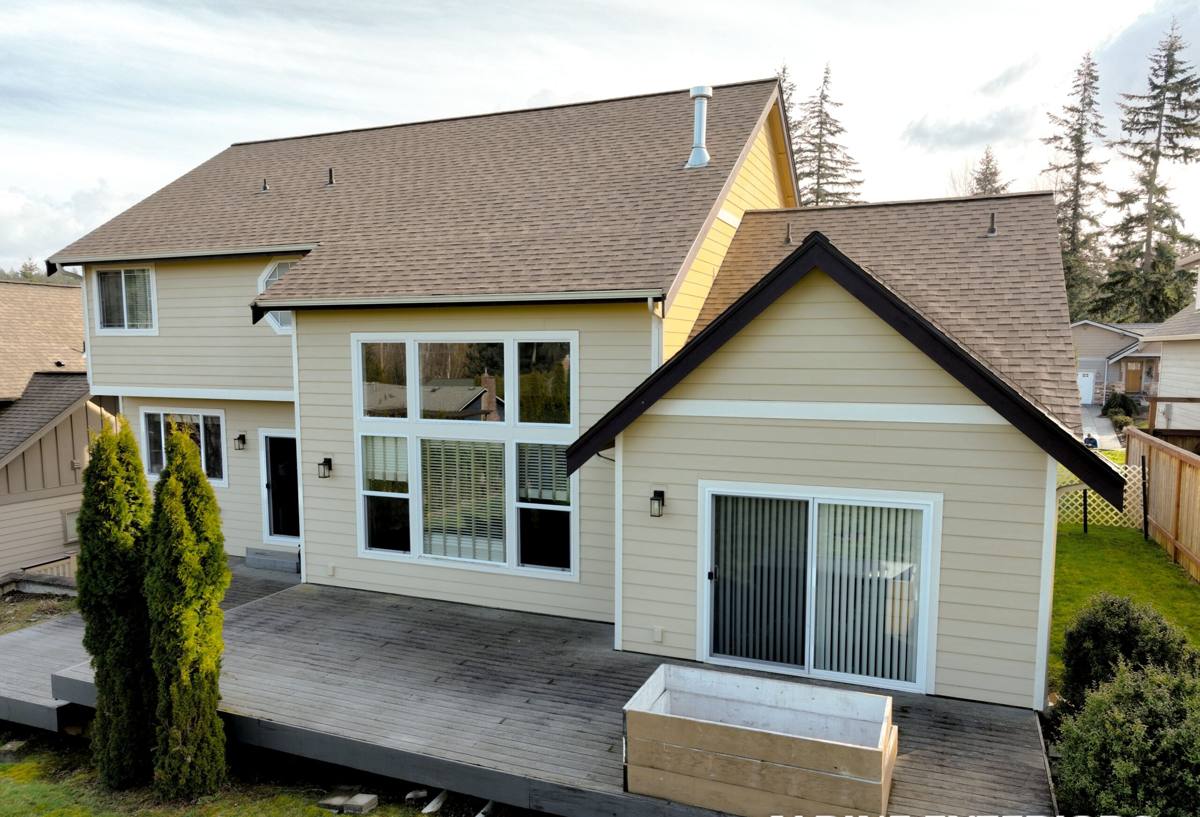
What Actually Counts as Storm Damage
Not every roof problem that shows up after a storm is storm damage, and not all storm damage is obvious. Understanding the difference matters both for getting the repair right and for how an insurance claim gets evaluated.
Wind Damage
Hurricane-force gusts, and even the strong straight-line winds that come through with a summer thunderstorm, can lift, crease, or tear shingles loose — especially along ridges, hips, and roof edges where wind uplift is strongest. Once a shingle's seal is broken, it doesn't always blow off completely. It can sit back down looking mostly normal while no longer sealed against the roof below it, which is exactly the kind of damage that's easy to miss from the ground.
Wind-Driven Rain Intrusion
Rain that falls straight down behaves differently than rain being pushed sideways and upward by wind, which is the normal pattern during a Gulf-coast storm. Wind-driven rain finds its way under shingle tabs, through compromised flashing at valleys and penetrations, and into any gap a calmer rain would never reach. That's often how a roof develops an interior leak weeks after a storm has already passed, once water has had time to work through the underlayment and decking.
Impact Damage
Debris carried by high wind — a tree limb, loose fencing, material off a neighboring roof — can crack tiles, puncture shingles, or dent metal flashing and vents. Impact damage is usually easier to spot than wind or water damage, but it still needs a full roof inspection rather than a spot patch, since the same storm that caused a visible impact mark almost always stressed the rest of the roof too.
Why Storm Damage Isn't Always Visible From the Ground
A roof that looks fine from the driveway can still have real problems, and that gap between what's visible and what's actually happening is where a lot of Countryside homeowners get caught off guard. Shingle seals can be broken without a shingle actually being missing. Flashing can be lifted a fraction of an inch at a valley or chimney without it being visible from the ground or even from most ladders. Underlayment and decking can already be holding moisture while the shingles above still look intact. None of that reads as an obvious problem until either the next storm finishes the job or water finally works its way through to a ceiling.
That's the real argument for a professional inspection after any significant wind event, hail, or even a hurricane that passed well to the west without a direct hit on Clearwater. Waiting for a leak to show up inside the house means the damage has already had time to spread into decking, insulation, and in some cases framing.
What a Correct Storm Damage Repair Involves
Full Inspection and Documentation
A correct repair starts with an actual roof inspection, not a drive-by look from the street. That means walking the roof itself when it's safe to do so, checking shingles for lifted seals and cracking, examining flashing at every valley, chimney, and penetration, and documenting what's found with photos — documentation that matters for any insurance claim that follows.
Matching Materials and Honest Scope
Storm repairs need to match the existing roofing material in type, profile, and as close to color as reasonably available, since a patch that stands out is both a cosmetic problem and often a sign the repair wasn't done to the same standard as the rest of the roof. The scope also has to be honest about how far the damage actually extends — limiting a repair to only the most visibly damaged section, when wind uplift affected a wider area, just sets up a repeat call after the next storm.
Underlayment and Flashing Repair
Any area where water intrusion is suspected needs the underlayment checked, not just new shingles laid on top of it. Compromised flashing at valleys, chimneys, and wall intersections gets re-sealed and properly integrated with the underlayment, not just caulked over — caulk alone is a temporary fix that fails again under the next round of wind-driven rain.
Structural and Deck Check
Where water has been sitting or working its way through for any length of time, the decking underneath needs to be checked for soft spots or rot before new material goes back on. Covering a compromised deck with new shingles just hides the problem instead of fixing it, and it's one of the more common shortcuts we see when we're called in to fix a repair someone else already did.
Repair or Replace?
Not every storm-damaged roof needs a full replacement, and not every roof that looks bad right after a storm is actually beyond repair. The right call depends on a few honest factors.
| Factor | What It Usually Means |
|---|---|
| Damage isolated to one or two roof planes | Often repairable, assuming the rest of the roof is in reasonably sound condition |
| Roof was already near the end of its service life | Storm damage may be the tipping point toward full replacement rather than another round of patch repairs |
| Underlayment or decking shows water damage | Repair scope grows, and replacing the affected section — or the full roof — may be more practical than isolated patching |
| Multiple prior repairs already exist on the roof | A pattern of repeat patch jobs is often a sign the roof is due for replacement rather than another repair |
| Insurance is covering the claim | Claim scope and roof age both factor into whether the insurer approves repair or full replacement |
Insurance Claims and Documentation
Most storm damage roof repairs in this part of Florida involve an insurance claim at some point, and how that claim is documented matters as much as the repair itself. We provide detailed photo documentation of the damage we find, a written scope of what needs repair and why, and we're available to walk an adjuster through what we found on the roof if that's useful to your claim. We don't inflate a scope to pad a claim, and we don't shrink one to make a repair look simpler than it is — the goal is an honest, well-documented record of what the storm actually did to your roof.
A few things worth doing on your end after a storm: photograph any visible damage before it's disturbed, avoid extensive DIY tarping that could complicate how the damage is later assessed, and get a professional inspection scheduled before you file rather than after, so the documentation reflects the actual post-storm condition of the roof.
Our Process, Start to Finish
- Initial call and scheduling — we get a time on the schedule, usually quickly after a significant storm event in the area
- Full roof inspection — walked and documented in person, not assessed from photos or the ground
- Honest scope and written estimate — what's damaged, what it takes to repair correctly, and what it costs, in writing
- Insurance documentation, if applicable — photos and a written scope you can hand to your adjuster or claims process
- Repair work — matched materials, correct underlayment and flashing integration, and deck repair if needed
- Final walkthrough — we review the completed repair with you before calling the job done
Why Hiring a Crew That Already Works in Countryside Matters
A crew that regularly works roofs in Countryside and the surrounding Clearwater area has already seen how this stretch of Pinellas County behaves after a storm — which roof orientations and pitches tend to take the worst of a wind event, how far wind-driven rain typically pushes under a shingle edge in this climate, and what a rushed patch job from another crew tends to look like a year or two later when we're called back to fix it. That's practical, repeated experience, not a generic checklist applied to every roof regardless of where it sits.
It also matters after the repair is done. Storm season in this part of Florida isn't a once-a-year event — it's a recurring condition a roof has to keep holding up against. A contractor with an established, ongoing presence in the area is one you can actually reach again if a question comes up down the road, rather than a storm-chasing crew that's moved on to the next region by the time a problem shows up.
Signs Your Countryside Roof May Need a Storm Damage Inspection
- Missing, cracked, curling, or lifted shingles, especially along ridges and roof edges
- Granule buildup in gutters beyond what normal wear would explain
- Visible dents or damage to flashing, vents, or metal roof components
- Water staining on interior ceilings or in the attic, even if it appeared after the storm had passed
- Soft spots underfoot when the roof is walked, which can indicate deck-level moisture damage
- Debris impact marks, punctures, or torn sections anywhere on the roof
If you're seeing any of these after a storm, or you'd just like a professional look before the next one arrives, it's better to have the roof inspected now than to wait for a leak to force the issue.
If you'd like a free, no-pressure inspection and a written estimate for storm damage repair on your Countryside home, we're glad to take a look. Use the form below to get a time on the schedule.