 Clearwater Window
 Roof Repair Built for Coachman Ridge's Weather
Coachman Ridge sits inland from the Gulf but still takes the full brunt of what Pinellas County weather dishes out year after year. That means hurricane-force wind gusts during storm season, wind-driven rain that finds every gap in flashing and underlayment, intense UV exposure nearly every day of the year, and salt-laden air that drifts in off the coast and accelerates corrosion on fasteners, vents, and metal flashing. A roof in this neighborhood doesn't fail because of one bad storm. It fails because heat, sun, wind, and moisture keep working on it, year after year, until a small weak point turns into a leak.
Roof repair here has to account for all of that at once. A patch that would hold up fine in a drier, cooler climate can fail within a season in Clearwater if it doesn't account for thermal cycling, UV breakdown of sealants, and the sideways rain that Gulf-fed storms tend to bring. That's the difference between a repair that lasts and one you'll be calling about again next year.
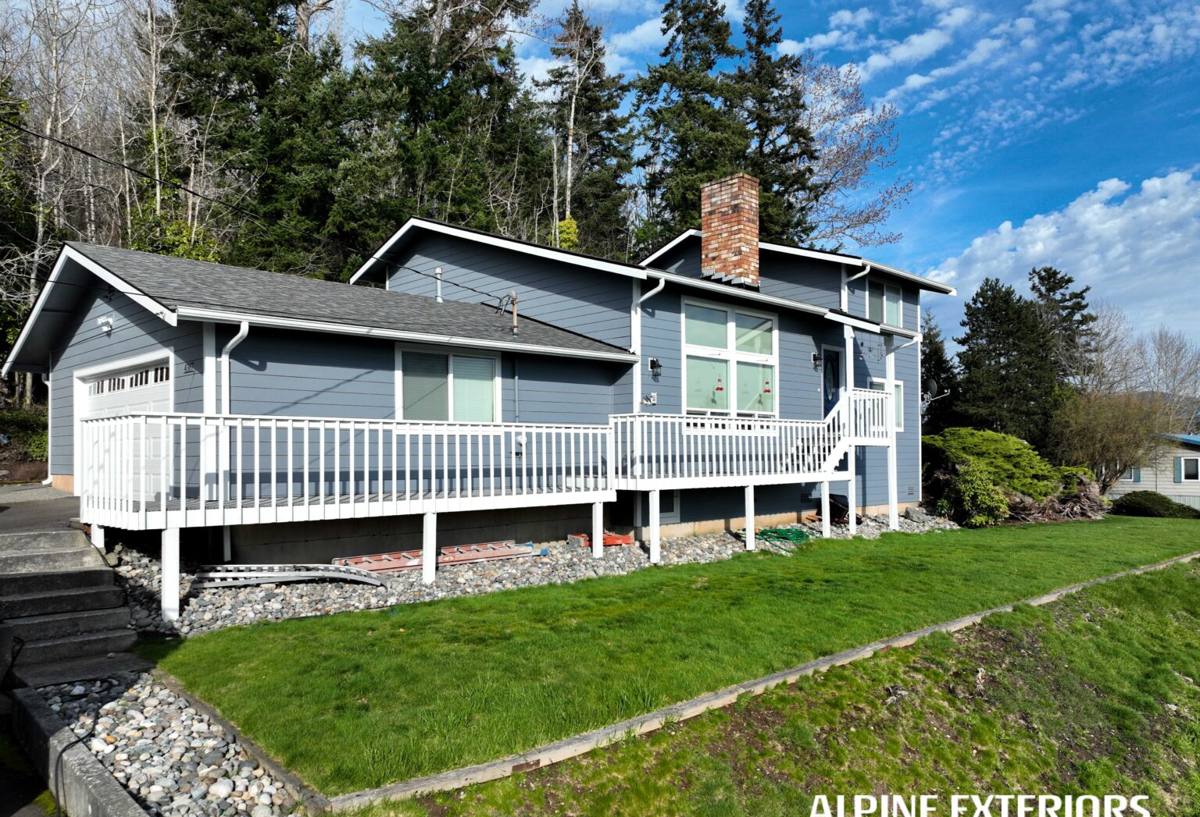
What Local Homes Actually Need From a Repair
Most homes in this part of Clearwater are roofed in asphalt shingle, with some tile and a smaller number of flat or low-slope sections over additions, porches, and garages. Each of those systems fails differently, and each needs a different repair approach.
Asphalt Shingle Roofs
Shingle roofs in Pinellas County take UV damage from the top down and wind damage from the edges in. The most common issues we find are lifted or missing shingles along ridge lines and roof edges, cracked or curling shingles from years of heat cycling, and worn-out sealant strips that no longer hold shingles flat against wind uplift. Once wind gets under even a few shingles, water intrusion follows fast.
Tile Roofs
Tile itself is durable, but the underlayment beneath it is the part that actually keeps water out, and it has a shorter service life than the tile. Cracked or slipped tiles, broken mortar at ridges, and failed underlayment around penetrations are the typical repair calls. A tile repair that only replaces the visible broken tile without checking the underlayment underneath is a repair that hasn't actually solved the leak.
Flat and Low-Slope Sections
Flat roofing over additions, lanais, or garages depends entirely on membrane integrity and proper drainage. Ponding water, seam separation, and cracked flashing at walls or transitions are the usual culprits, and these areas often get overlooked during a general roof inspection because they're not visible from the street.
What a Correct Roof Repair Actually Involves
A roof repair that's done right starts before anyone gets on the roof. It starts with figuring out where the water is actually coming from, which is not always where the stain shows up inside the house. Water travels along decking and rafters before it drips, so a leak over the kitchen might trace back to a flashing failure several feet away.
Diagnosis First
We inspect the roof surface, the flashing around every penetration (vents, chimneys, skylights, HVAC curbs), the valleys, the ridge, and the edges where wind uplift does the most damage. Attic access lets us confirm where water is actually entering and how far it has traveled, which matters for deciding how large the repair needs to be.
Matching Materials, Not Just Patching
A repair that uses mismatched shingles, incompatible underlayment, or the wrong fastener pattern creates a new weak point even if it stops the immediate leak. We match existing materials where possible and use fastening and flashing details rated for the wind exposure this area sees, not the minimum that happens to be on the truck.
Flashing and Underlayment Get the Same Attention as the Visible Surface
Most roof leaks in Florida trace back to flashing, not the shingles or tiles themselves. Step flashing at walls, counter-flashing at chimneys, and pipe boot seals degrade from UV and heat long before the roofing material around them does. Any legitimate repair addresses these components, not just the surface layer people can see from the ground.
Signs a Coachman Ridge Roof Needs Repair Now
Some damage is obvious after a storm. Other damage builds slowly and only shows up as a leak once it's already gotten worse. Watch for:
- Missing, cracked, or curling shingles, especially along ridges and roof edges
- Granules collecting in gutters or at downspout outlets
- Cracked, slipped, or missing roof tiles
- Soft spots or sagging areas when walking the attic or roof line
- Water stains on ceilings or upper interior walls
- Daylight visible through the roof deck from inside the attic
- Rusted or lifted flashing around chimneys, vents, or skylights
- Mold, mildew, or a musty smell in the attic
- Higher-than-usual cooling bills, which can point to attic moisture or ventilation problems
Any one of these on its own might be minor. Several at once usually means water has already been getting in for a while.
Repair or Replace? How We Help You Decide
Not every roof problem needs a full replacement, and not every roof problem should be patched and left alone. The right call depends on the roof's age, how much of it is affected, and what condition the rest of the system is in.
| Factor | Favors Repair | Favors Replacement |
|---|---|---|
| Roof age | Under 12-15 years, asphalt shingle | Nearing or past manufacturer's expected service life |
| Extent of damage | Isolated to one section or penetration | Spread across multiple sections or slopes |
| Underlayment condition | Sound, no widespread deterioration | Brittle, torn, or failing in multiple spots |
| Storm history | Single recent event, otherwise well maintained | Repeated wind or hail damage over several seasons |
| Insurance situation | Damage doesn't meet claim threshold | Documented storm damage meets policy terms |
We'll give you a straight answer on which side of that line your roof falls on, including when replacement is genuinely the more cost-effective choice over the long run.
Our Roof Repair Process
- Inspection. We walk the roof and the attic, not just one or the other, to find the actual source of the problem.
- Written estimate. You get a clear explanation of what's damaged, why, and what the repair involves, with pricing before any work starts.
- Material matching. We source shingles, tile, flashing, or membrane that matches your existing roof as closely as possible.
- Repair. Damaged materials are removed back to sound decking, flashing and underlayment are addressed, and new material is installed to current wind-resistance standards.
- Cleanup and walkthrough. We clear debris and nails from the property and walk you through what was done.
We pull permits when the scope of work requires it under local building code, and we document the repair with photos, which is often useful if you're also filing an insurance claim.
Why Local Experience in Coachman Ridge Matters
A crew that regularly works this part of Clearwater already knows what tends to go wrong on roofs here: which flashing details fail first in this climate, how quickly UV breaks down certain sealants in full Florida sun, and how wind-driven rain during a Gulf storm behaves differently than a straight-down summer downpour. That knowledge shortens the diagnosis and reduces the odds of a repair that looks fine but leaks again during the next storm.
Local familiarity also means understanding Pinellas County's permitting and inspection process, and knowing how to document repair work in a way that holds up if you need to submit it to an insurance carrier. That's especially relevant here, where wind mitigation features and proper repair documentation can affect both claims and insurance premiums.
Insurance and Permitting Basics for Clearwater Homeowners
Florida homeowners insurance often factors in the age and condition of a roof, and some carriers require documentation of repairs or a wind mitigation inspection to maintain coverage or pricing. If your repair follows storm damage, keep records of the date, the damage, and the repair itself. If the scope of work involves structural decking, a significant portion of the roof surface, or work covered under Clearwater's building code, a permit and inspection will be required, and that process takes coordination most homeowners don't want to manage alone.
We handle that coordination as part of the job so you're not left tracking down permit status or scheduling inspections on your own.
Get a Free Estimate for Your Coachman Ridge Roof
If you're seeing signs of roof damage or just want a professional opinion before a small issue turns into a bigger one, we're happy to take a look. Estimates are free, there's no pressure to commit to anything, and you'll get a straight answer about what your roof actually needs. Fill out the form below to schedule a time for us to come out.