 Clearwater Window
 Sunset Point sits in the harbor-influenced part of Clearwater, close enough to open water that roofs here take a different kind of beating than a roof a few miles inland. Hurricane-force wind events, intense year-round UV, wind-driven rain, and salt air all work on a roof at the same time, and a replacement that doesn't account for all four tends to show problems well before its rated lifespan is up. We replace roofs in this neighborhood regularly, and this page walks through what a correct job actually involves here.
Why Roof Replacement in Sunset Point Isn't a Generic Job
Every roof in Pinellas County deals with sun and rain. What's different in Sunset Point is the combination and the intensity. Wind events off the water push gusts and wind-driven rain against roof edges and penetrations with less buffer than an inland property gets, which means edge details, fastening patterns, and flashing all carry more of the load. Salt air is a slower process, but it never stops working on exposed metal, fasteners, and sealant joints. UV exposure here runs close to year-round rather than seasonal, which accelerates the breakdown of lower-grade shingle mats, underlayment, and sealants faster than in a milder climate. None of that means a roof in Sunset Point is doomed to fail early — it means the materials and installation details have to be matched to what the site actually sees, not to a generic spec sheet.
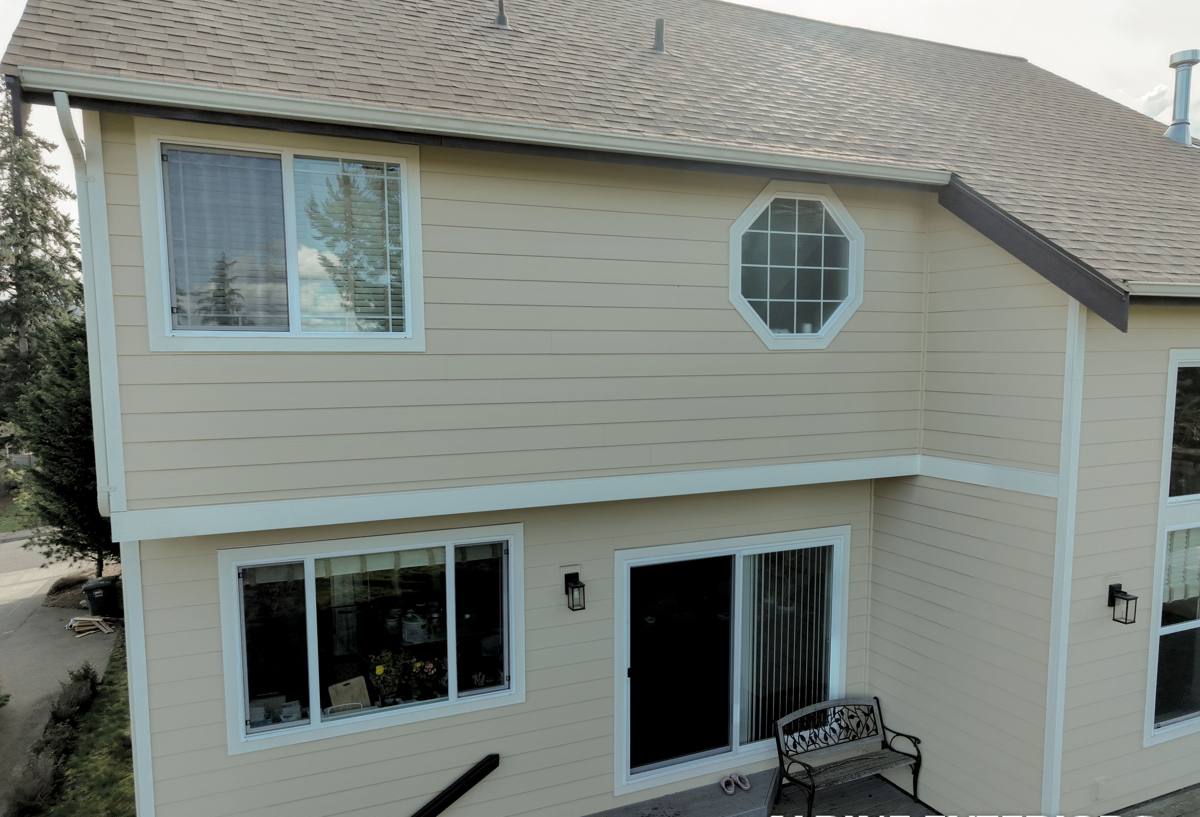
Signs a Sunset Point Roof Needs Replacement, Not Another Repair
Repairs make sense when a problem is isolated and the rest of the roof still has useful life left. Replacement makes sense when the underlying materials are past the point where patching buys meaningful time. The honest answer usually depends on the roof's age, how many repairs it's already had, and what a closer inspection turns up under the surface layer.
What We Look For
Granule loss that's exposed the shingle mat over a large area, multiple soft spots or signs of deck moisture during an inspection, recurring leaks in different locations rather than one repeated spot, curling or cupping shingles across most of the roof rather than a single patch area, and a roof that's already close to or past its expected service life for its material. Any one of these on its own might still be a repair. Several together usually mean the roof has aged out.
Repair vs. Replace: The Honest Breakdown
| Situation | Usually a Repair | Usually a Replacement |
|---|---|---|
| Age relative to material lifespan | Well within its expected service life | At or past expected service life for its material |
| Damage pattern | Isolated to one area — a flashing detail, a single penetration, storm impact in one spot | Spread across multiple sections or recurring in different spots |
| Deck condition | Sound where inspected | Soft spots, rot, or moisture intrusion found in the decking |
| Repair history | First or second repair on this roof | Repeated repairs without resolving the underlying cause |
| Underlayment condition | Still intact and doing its job under the surface layer | Failing, brittle, or already compromised in multiple areas |
What a Correct Roof Replacement Actually Involves
A tear-off roof replacement is not just swapping the surface layer. Every step underneath it matters as much as the material on top, especially given what this climate does to a roof over time.
Tear-Off and Deck Inspection
We remove the old roofing down to the deck rather than layering over it, because a layover hides exactly the kind of deck damage — soft spots, rot around penetrations, prior water intrusion — that a coastal climate tends to produce. Any damaged decking gets replaced before anything new goes down.
Underlayment and Water Barrier
The underlayment is the roof's real waterproofing layer, and it's what keeps a roof dry during the gap between when wind or hail damages the surface material and when that damage gets noticed and repaired. Given how much wind-driven rain this area sees, we don't treat underlayment as a formality — it's specified to hold up under real coastal exposure, not just to meet a minimum.
Wind-Rated Installation
Fastening pattern, nail placement, and starter course installation affect a roof's actual wind performance as much as the material itself. We install to the wind rating the material is tested for, following manufacturer specifications rather than a shortcut pattern, because this is the detail that separates a roof that holds through a wind event from one that doesn't.
Flashing and Penetrations
Chimneys, vents, skylights, and wall-to-roof transitions are where most roof leaks actually start, not in the open field of shingles. We flash these correctly and reseal or replace flashing rather than reusing old pieces on a new roof, since old flashing is one of the most common causes of a leak on an otherwise new roof.
Ventilation
A roof deck that can't breathe traps heat and moisture, which shortens the life of both the roofing material and the decking underneath it. We check existing ventilation as part of every replacement and correct it where it's inadequate, since it's a detail that's easy to skip and expensive to fix later.
Roofing Material Options for Coastal Clearwater Homes
There's no single right material for every Sunset Point home — the right choice depends on the roof's slope, the home's structure, budget, and how much long-term maintenance the homeowner wants to take on. Here's how the common options compare under this area's conditions.
| Material | Wind Performance | Salt Air / UV Resistance | Maintenance | Typical Lifespan |
|---|---|---|---|---|
| Architectural asphalt shingle | Good, when rated and installed correctly for high-wind zones | Moderate — shingle mat quality matters more here than inland | Low to moderate | 20-30 years, coastal exposure toward the lower end |
| Standing seam metal | Very good, among the higher wind ratings available | Good, with proper coating and fastener selection | Low | 40-60+ years |
| Concrete or clay tile | Good when properly fastened; individual tiles can be dislodged in extreme wind | Very good — the tile itself is largely unaffected by salt air | Moderate — underlayment beneath the tile still ages and needs eventual replacement | 40-50+ years for the tile; underlayment usually needs replacement sooner |
We'll walk through which of these fits your roof's structure, your budget, and how much maintenance you want to take on going forward — we don't default to one material for every job.
Florida Building Code, Wind Mitigation, and Insurance
A roof replacement in Pinellas County is a permitted job, and it has to meet current Florida Building Code wind requirements for this area, not whatever code was in place when the home was originally built. That's not paperwork for its own sake — current code reflects what's actually been learned about roof performance in hurricane-force winds. A properly permitted, code-compliant replacement also sets you up for a wind mitigation inspection afterward, which can affect windstorm insurance premiums. We pull the permit, build to current code, and provide the documentation you'll want on hand for insurance purposes.
Our Roof Replacement Process
- Inspection and assessment — a full look at the existing roof, deck, flashing, and ventilation to determine what the replacement actually needs to address
- Material and scope review — an honest walkthrough of material options, wind ratings, and cost factors specific to your roof and budget
- Permitting — pulling the required Pinellas County permit and building to current Florida Building Code wind requirements
- Tear-off — full removal of the existing roofing down to the deck, with damaged decking identified and replaced
- Underlayment and flashing — installing the water barrier and flashing details built for this area's wind-driven rain exposure
- Material installation — installing the new roofing to the fastening pattern the material's wind rating actually requires
- Final inspection and cleanup — a completed job that passes permit inspection, with the site cleaned up and documentation provided
What a Quality Roof Replacement Should Include
- Full tear-off to the deck, not a layover on top of existing roofing
- Deck inspection with any damaged sections replaced before new roofing goes down
- Underlayment rated for the wind-driven rain exposure this area actually sees
- Fastening pattern that matches the material's tested wind rating
- New or resealed flashing at every penetration, chimney, and wall transition
- Ventilation checked and corrected if inadequate
- A pulled permit and inspection that meets current Florida Building Code
- Documentation you can use for a wind mitigation inspection and insurance purposes
Why Hiring a Crew That Already Works Sunset Point Matters
Manufacturer specifications are written for average conditions, and a harbor-influenced neighborhood like Sunset Point rarely qualifies as average. A crew that doesn't regularly work this kind of coastal exposure can still meet code on paper and still miss the details that determine whether a roof performs through an actual wind event — how tight a fastening pattern needs to be at the edges and corners where wind uplift concentrates, which flashing details need extra attention because of constant salt air and UV cycling, when a lower-grade underlayment is going to be the weak point regardless of what shingle sits on top of it. Those are judgment calls made on the roof, not decisions a spec sheet makes for you.
We work this part of Pinellas County on an ongoing basis, which means we're not guessing at how a particular roof type or exposure tends to hold up here over time. That's the difference between a roof that's still tight and performing after several hurricane seasons and one that starts showing leaks and wind damage within a couple of years.
What Roof Replacement Typically Costs
Cost depends on the roof's size, pitch, current condition, the material chosen, and how much deck repair the tear-off uncovers. A straightforward asphalt shingle replacement generally costs less than a metal or tile roof of the same size, but material cost is only part of the picture — a cheaper roof that needs replacing again in fifteen years isn't necessarily the better value over time. We provide a specific, itemized estimate after inspecting your roof rather than a rough number over the phone, because the condition of your deck and existing flashing genuinely changes the scope of the job.
Maintaining Your New Roof in This Climate
A correctly installed roof still benefits from periodic attention in a climate like this one. Have the roof checked after major wind events, keep gutters and drains clear so water isn't sitting against roof edges, and get a professional inspection every couple of years to catch flashing or sealant wear before it becomes a leak. Salt air and UV exposure are constant here, and catching minor wear early is a lot less expensive than waiting for it to become a repair.
If your Sunset Point roof is showing its age or you're planning ahead of your next insurance renewal, it's worth having it inspected before you commit to a repair or a replacement. We offer free, no-pressure estimates for roof replacement in Sunset Point and the surrounding Clearwater area — use the form below to get a time on the schedule.