 Clearwater Window
 Siding Repair in Countryside: What Clearwater's Climate Does to a Home's Exterior
Countryside is one of Clearwater's older, established residential areas, and the siding on these homes has absorbed decades of Gulf Coast weather. Pinellas County sees hurricane-force winds during storm season, intense UV exposure nearly year-round, wind-driven rain that gets pushed sideways into wall assemblies during summer storms, and a steady dose of salt air drifting in from the coast. None of those forces does much damage on any single day. Stacked up year after year, though, they are exactly why siding on Countryside homes fails in predictable, specific ways — and why a generic patch job often doesn't hold up for long.
A siding repair in this part of Florida isn't just cosmetic work. Done right, it restores the wall assembly's ability to shed water, resist wind uplift, and keep pests and moisture out of the structure behind it. Done wrong, it can trap moisture and turn a small, cheap fix into a much bigger problem within a year or two.
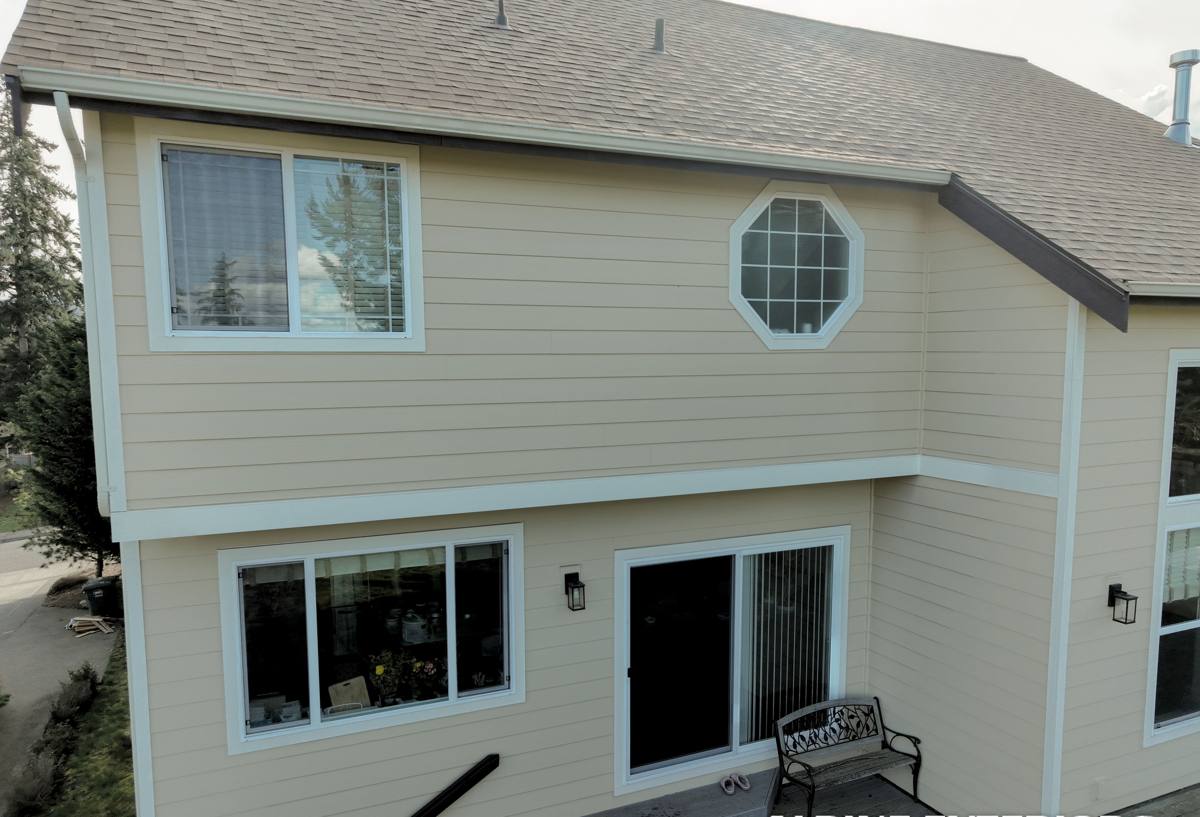
Signs Your Countryside Home Needs Siding Repair
Storm and Wind Damage
After any significant wind event, siding can end up cracked, dented, or partially pulled loose even if it still looks fine from the street. Wind uplift works on panels and trim from the edges inward, so damage often starts at corners, butt joints, and the bottom courses near grade — areas that are easy to miss on a quick visual check.
Moisture and Rot
Florida's humidity and frequent rain mean any gap in the siding's water management — a failed caulk joint, a missing piece of flashing, a panel installed too close to a deck or patio surface — turns into a moisture problem fast. On wood-based or engineered wood siding, that moisture leads to soft spots, swelling, and rot. On fiber cement, the material itself resists rot, but the trim, fasteners, and any exposed cut edges still need to be sealed correctly or moisture will find its way behind the panel.
Sun and UV Fatigue
South and west-facing walls in Clearwater take a beating from UV exposure most of the year. Over time this shows up as chalking, fading, and — on lower-quality or poorly finished siding — cracking and warping as the material dries out and expands and contracts with daily heat cycles.
Salt Air Corrosion
Countryside sits inland of the immediate coastline, but Pinellas County as a whole still gets meaningful salt air drift. Salt exposure accelerates corrosion on exposed fasteners, metal trim, and flashing. Rust streaks running down from a nail head or a trim seam are usually the first visible sign that the metal components of a siding system are starting to fail, even when the siding panels themselves look okay.
What a Correct Siding Repair Actually Involves
Diagnosing the Cause, Not Just the Symptom
A cracked panel or a soft spot is a symptom. The real question is what let water or wind get to that spot in the first place — a caulk failure, missing flashing, a nail that backed out, or a drainage path that was never right to begin with. Replacing the damaged piece without fixing the underlying cause just resets the clock on the same failure.
Matching Material and Profile
Siding repairs stand out badly when the replacement piece doesn't match the existing reveal, texture, or color. On James Hardie fiber cement, we work from the same product lines and ColorPlus finishes used in the original installation wherever possible, so a repaired section blends in rather than becoming a visible patch. On other siding materials — vinyl, LP SmartSide, cedar, or older cement-board products — exact matches can be difficult or impossible to source, which is one of the practical trade-offs homeowners run into when a repair is needed years after the original install.
Flashing and Water Management
Correct repair work restores the layered water management system behind the siding: house wrap or building paper, proper flashing at windows, doors, and horizontal trim, and correctly lapped courses so water sheds outward and down rather than getting trapped. Skipping this step and just sealing the surface with caulk is a short-term fix that tends to fail again within a season or two of Florida rain.
Fastening to Local Wind Requirements
Pinellas County's wind-load requirements exist because this is a hurricane-exposed area. Repairs need to use the correct fastener type, spacing, and penetration depth for the siding product and the substrate underneath — not just whatever holds the piece in place for now. This matters most at corners, edges, and anywhere near roof lines or gable ends, where wind pressure is highest during a storm.
Repair vs. Replacement: How We Help You Decide
Not every damaged section needs a full re-side. But when damage is widespread, recurring, or tied to an underlying moisture problem, patch repairs stop making financial sense. Here's how we walk homeowners through that decision:
| Factor | Favors Repair | Favors Replacement |
|---|---|---|
| Extent of damage | Isolated to one or two areas | Spread across multiple walls or elevations |
| Underlying cause | One-time event (storm impact, accidental damage) | Ongoing moisture intrusion or chronic UV breakdown |
| Age of existing siding | Installed within the last 10-15 years, otherwise sound | Original siding is near or past its expected service life |
| Material match | Matching panels or trim are available | Discontinued color, profile, or product no longer made |
| Existing product type | James Hardie fiber cement | Vinyl, LP SmartSide, cedar, or older cement board with recurring issues |
When the existing siding is a product we don't install ourselves, we'll still give an honest assessment of whether a targeted repair makes sense, or whether the smarter long-term move is a phased or full transition to James Hardie fiber cement — particularly on walls that take the most sun and storm exposure.
Our Process for Countryside Homeowners
- On-site inspection. We look at the damaged area and the surrounding siding, not just the spot that prompted the call, since related issues are often nearby.
- Cause diagnosis. We identify what let water, wind, or UV damage in, so the repair addresses the source rather than just the visible symptom.
- Written scope and estimate. A clear explanation of what's being repaired, what materials will be used, and what it costs — no vague line items.
- Repair work. Matching materials installed with correct flashing, fastening, and sealing for Pinellas County's wind and moisture conditions.
- Final walkthrough. We check the finished work with you before considering the job done.
Why a Local Clearwater Crew Matters for Countryside Homes
A crew that already works Countryside and the surrounding Clearwater neighborhoods knows what these homes are dealing with — the age range of the housing stock, the common siding products used in this area over the decades, and the specific ways salt air, sun, and summer storms show up in the wall assembly here. That familiarity matters when it comes to sourcing the right materials quickly, recognizing which "cosmetic" damage is actually a warning sign of something bigger, and giving a repair estimate that reflects real Pinellas County conditions rather than a generic national number.
It also matters for accountability. A local crew is easy to call back if something isn't right after the repair, and has a reputation in the area worth protecting — which shapes how carefully the work gets done the first time.
Why We Repair — and Recommend — James Hardie Fiber Cement
We install and repair James Hardie fiber cement exclusively. We don't install vinyl, LP SmartSide, Cemplank, Allura, or primed wood siding, and we're upfront about why: fiber cement holds up to Florida's combination of heat, humidity, UV, and storm exposure better than the alternatives, without the moisture sensitivity of engineered wood products or the heat distortion and impact vulnerability that can affect vinyl. Hardie's HZ5 product line is engineered specifically for high-humidity, high-moisture climates like ours, its ColorPlus factory finish holds color longer under intense Florida sun than field-applied paint, and it carries a strong transferable warranty when installed to Hardie's specifications.
For repair work specifically, this also means we're working with a material system we know inside and out — matching panels, trim, and finishes correctly, and fastening and flashing them the way Hardie's specifications require for this wind zone.
Maintaining Your Siding After a Repair
A correct repair should last, but a little routine attention keeps small issues from becoming repair calls in the first place. After any siding work, we recommend:
- Rinsing siding periodically to remove salt residue and airborne grime, especially on walls facing the water or open exposure
- Checking caulk joints around windows, doors, and trim once a year for cracking or separation
- Trimming back landscaping so it doesn't hold moisture against the siding or scrape the surface in wind
- Walking the exterior after any major storm to look for loose panels, dented trim, or debris impact damage
- Addressing small cracks or gaps promptly, before wind-driven rain has a chance to get behind the panel
If you're seeing damage, discoloration, or soft spots on your Countryside home's siding, we're happy to take a look and give you a straight answer on what it needs. Reach out for a free, no-pressure estimate using the form below.