 Clearwater Window
 Countryside Roofs Take a Different Kind of Beating
Countryside sits a few miles inland from the Gulf, but "inland" in Pinellas County doesn't mean sheltered. The same salt-laden air that ages roofs on the beach drifts across this whole stretch of Clearwater, and it settles into shingle granules, flashing, and fasteners just as steadily here as it does closer to the water. Add in hurricane-force wind events, wind-driven rain that gets pushed sideways under poorly sealed edges, and roughly 230+ days a year of hard, direct UV exposure, and you have a climate that is genuinely tough on roofing — not in a dramatic, one-storm way, but in a slow, cumulative way that shows up as granule loss, curling, and leaks years before a shingle roof in a milder climate would show its age.
A shingle roof that's installed correctly for this climate holds up. One that's installed to a lower standard — missed nailing patterns, skipped underlayment steps, reused flashing — tends to fail early, and usually not all at once. It shows up as a soft spot near a chimney, a stain on a ceiling after a summer storm, or shingles in the yard after a wind event that a properly fastened roof would have shrugged off. Most of what separates a roof that lasts from one that doesn't happens in details that aren't visible once the job is finished.
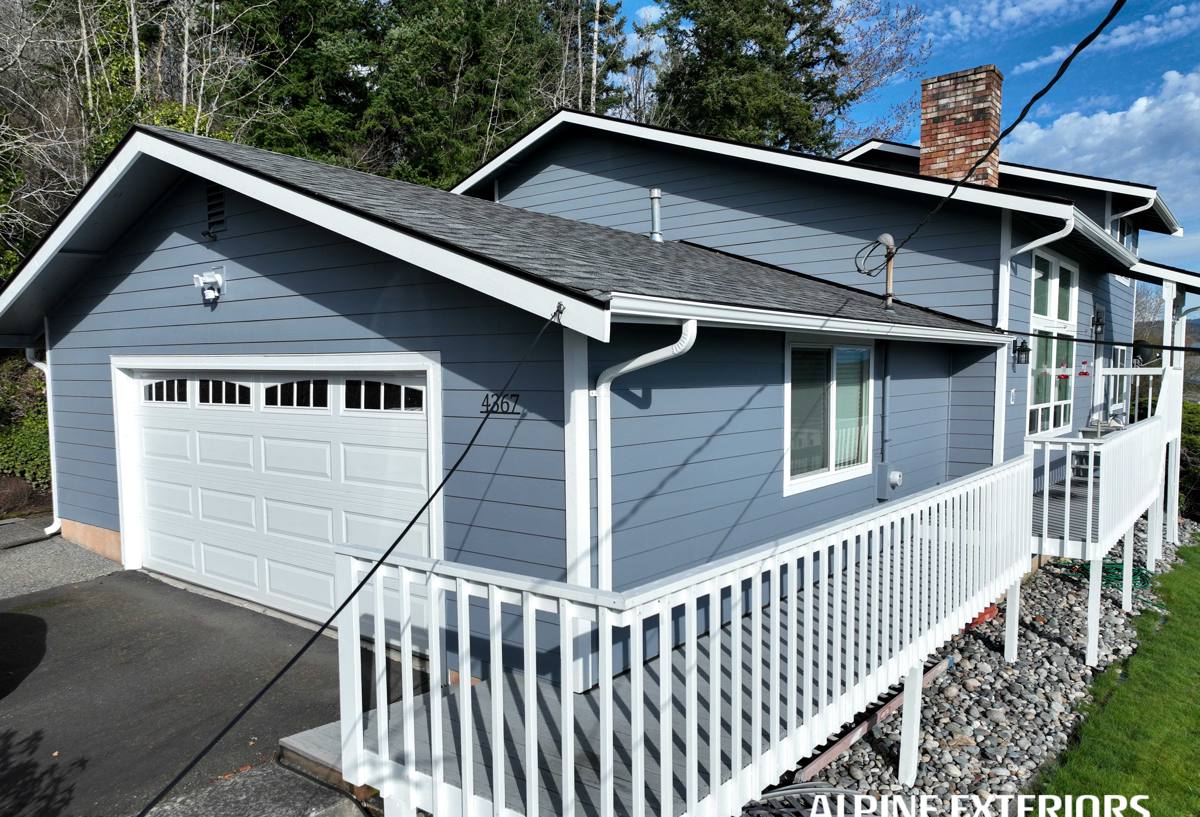
What a Correctly Installed Asphalt Shingle Roof Actually Involves
The Deck Comes First
Every shingle roof is only as good as the wood underneath it. Before any new material goes down, the decking gets inspected for soft spots, delamination, and old nail damage. Skipping this step is one of the most common shortcuts in the trade — new shingles over a compromised deck look fine at handoff and fail within a few seasons.
Underlayment Is the Real Waterproofing Layer
Shingles shed the bulk of the water, but the underlayment is what actually keeps a roof dry when wind drives rain sideways or up under a shingle edge — which happens routinely in Gulf-influenced storms. Self-adhered, waterproof underlayment at eaves, valleys, and roof penetrations matters more here than it would in a drier climate, because Countryside gets its share of tropical downpours where water isn't falling straight down.
Nailing Pattern and Wind Rating
Asphalt shingles are only as wind-resistant as their fastening. That means the correct number of nails per shingle, placed in the manufacturer's nailing zone (not high, not low), driven flush rather than overdriven or underdriven. A shingle rated for high wind uplift on paper performs like a much cheaper product if it's fastened carelessly. This is the single biggest factor in whether a roof survives a wind event or ends up shedding shingles.
Flashing Details Most Crews Rush
Step flashing at walls, counterflashing at chimneys, and properly lapped valley metal are where most leaks actually originate — not in the open field of shingles. Reusing old flashing to save time is a common shortcut that looks fine until the first heavy rain finds the gap.
Ventilation Most Homeowners Never See
A shingle roof needs balanced intake and exhaust ventilation to let heat and moisture escape the attic. In a climate with this much sustained heat, poor ventilation shortens shingle life from underneath — the attic essentially bakes the shingles from below while the sun works on them from above. It also affects energy bills and can void manufacturer warranties if ventilation minimums aren't met.
Choosing a Shingle Built for This Climate
Not every asphalt shingle product is a good fit for a Pinellas County roof, and the differences aren't cosmetic — they affect wind performance, algae resistance, and how long the color and granules hold up under constant UV.
| Shingle Type | Typical Wind Rating | Best Fit For |
|---|---|---|
| 3-tab (economy) | Lower wind rating, lighter weight | Budget-driven projects; least durable option in this climate |
| Architectural / dimensional | Higher wind rating, heavier construction | Most Countryside homes — better wind performance and a longer service life |
| Impact-rated / high-wind shingle | Highest wind rating available in asphalt | Homeowners wanting maximum storm resilience or insurance credit consideration |
Algae-resistant granules (usually copper-infused) are worth specifying in this climate too. Florida's heat and humidity are ideal conditions for the dark algae streaking that shows up on roofs within a few years — it's cosmetic, not structural, but it's avoidable with the right shingle line, and it's a lot easier to prevent than to remove later.
Permits and Code Requirements in Pinellas County
Roof replacements in Clearwater require a building permit and inspections — this isn't optional, and a contractor who offers to "skip the permit to save time" is telling you something about how they'll handle the rest of the job too. Florida's building code sets minimum wind-uplift and fastening standards specifically because of storm history in this part of the state, and inspectors check nailing pattern, underlayment, and flashing before the roof is signed off. A permitted, inspected roof also matters at resale and for insurance — an unpermitted roof replacement can complicate a claim or a home sale down the line.
How We Handle a Countryside Roofing Project
- Inspection and estimate — We walk the roof (or use a drone where access is limited), check the deck condition from the attic side where possible, and give you a written scope and price. No pressure, no same-day-signature tactics.
- Material selection — We go over shingle options, colors, and wind ratings so you understand what you're paying for and why, not just a single quoted number.
- Permitting — We pull the required permit before work starts.
- Tear-off and deck inspection — Old material comes off, and we inspect the exposed decking for damage that wasn't visible before removal, flagging anything that needs repair before proceeding.
- Underlayment and flashing — Waterproof underlayment goes down at eaves, valleys, and penetrations, followed by new flashing at walls, chimneys, and vents.
- Shingle installation — Starter strip, field shingles with correct nailing, ridge cap — installed to manufacturer spec, not shortcuts.
- Ventilation check — We confirm intake and exhaust venting meet code and manufacturer requirements.
- Cleanup and magnetic sweep — Yard and driveway cleared of debris and stray nails.
- Final walkthrough and inspection — We review the finished roof with you and coordinate the final building inspection.
What Drives the Cost of a Shingle Roof in Countryside
Every roof is priced individually, but the same handful of factors move the number up or down on almost every project:
| Cost Factor | Why It Matters |
|---|---|
| Roof size and number of layers to remove | More square footage and tear-off work means more labor and disposal cost |
| Roof pitch and complexity | Steep or cut-up roofs (multiple valleys, dormers) take longer and require more safety setup |
| Deck condition | Rotted or delaminated plywood found during tear-off adds repair cost that can't be known until the old roof is off |
| Shingle grade chosen | 3-tab, architectural, and impact-rated products carry different material costs |
| Ventilation upgrades | Adding or correcting attic ventilation adds cost but protects the new roof's lifespan |
| Flashing and penetration count | Chimneys, skylights, and multiple roof penetrations each require detail work beyond the open field |
Maintenance That Actually Extends the Life of a Florida Shingle Roof
A shingle roof isn't maintenance-free, even a well-installed one. A little attention twice a year catches small issues before they become interior damage:
- Have gutters and valleys checked and cleared so water isn't backing up under shingle edges
- Look for granule buildup in gutters or downspouts — a sign of accelerating wear
- Check attic ventilation isn't blocked by insulation or storage after any attic work
- Have flashing around chimneys, skylights, and vent pipes inspected annually — sealant and metal degrade before shingles usually do
- After any named storm or major wind event, do a visual check (or have it inspected) for lifted or missing shingles before the next rain
- Trim back overhanging branches that drop debris or hold moisture against the roof surface
Signs a Countryside Roof Needs Attention Before Storm Season
Some warning signs are obvious — missing shingles, visible sagging, active leaks. Others are easy to miss from the ground: shingles that look darker or blotchy in patches (early algae or granule loss), curling or cupping edges, nail heads that have started to pop through, or soft spots you can feel when walking the roof. Any of these are worth a professional look before the next heavy wind or rain event, rather than after damage has already reached the interior.
Why It Matters That We Already Work in Countryside
A roofing crew that already works this part of Clearwater knows the practical things that don't show up in a generic estimate: what the typical roof pitches and construction look like in Countryside's neighborhoods, how to work efficiently with the local permitting and inspection process, and what wind and rain exposure actually does to a roof in this specific area versus a roof twenty miles inland. That local familiarity translates into fewer surprises during the project and a faster, smoother permitting and inspection process — because we're not learning the area for the first time on your roof.
It also means a faster response if something comes up after a storm. A contractor who's already established here isn't juggling a schedule spread across three counties when you need someone to look at a lifted section of shingles before the next system rolls in.
If your Countryside home is due for a new roof, or you're not sure whether repair or replacement makes more sense, we're happy to take a look and give you an honest answer. Use the form below to request a free, no-pressure estimate.