 Clearwater Window
 Why Downtown Clearwater Puts Extra Demands on a Roof
A roof over Downtown Clearwater does more work than a roof almost anywhere inland. It has to shed wind-driven rain during summer storms, survive gusts that can reach hurricane force during the June-through-November season, and hold up under some of the most intense year-round UV exposure in the continental United States. Add in the salt air drifting off the Gulf and Tampa Bay, and you have a combination that ages roofing materials faster than manufacturers' generic warranty language usually accounts for. None of this means asphalt shingles are the wrong choice for a Pinellas County home — they remain one of the most cost-effective, proven roofing systems available. It means the installation details matter more here than they would in a milder climate, and cutting corners on any one of them shows up as a leak, a lifted shingle, or premature granule loss within a few storm seasons instead of a couple of decades.
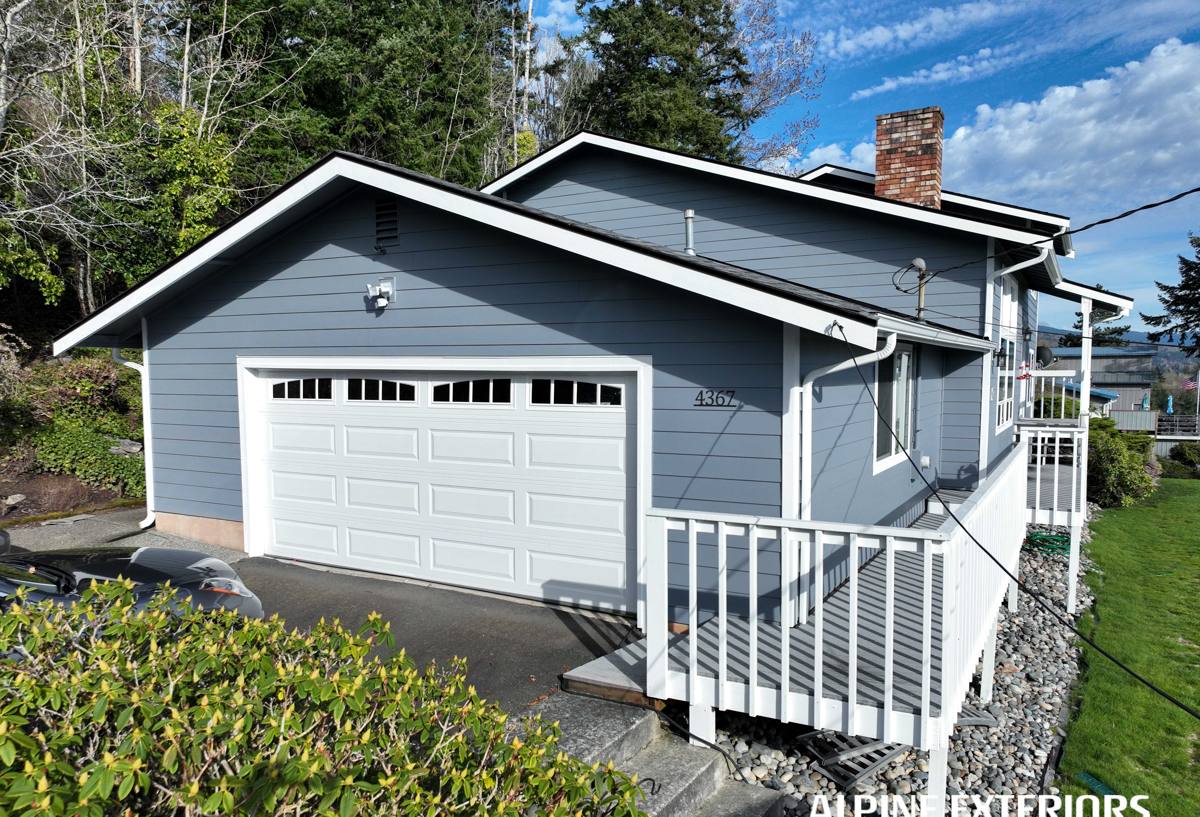
What a Correctly Installed Asphalt Shingle Roof Includes
"Asphalt shingle roof" covers a wide range of actual outcomes depending on the materials and workmanship underneath the visible layer. For a home in Downtown Clearwater, we treat the following as non-negotiable, not upgrades.
Shingle Class and Wind Rating
Standard three-tab shingles are increasingly hard to justify in coastal Pinellas County. Architectural (laminated) shingles rated for high wind — typically 130 mph or better — cost more up front but are built with a heavier mat and a wider nailing zone that resists the uplift forces common during tropical storms and hurricanes. We match the shingle's rated wind speed and warranty terms to what current Florida Building Code requires for this area, not to the minimum a supplier happens to have in stock.
Underlayment and the Secondary Water Barrier
Shingles are the first line of defense, not the only one. Under them, we install a synthetic or self-adhering underlayment sized to the roof's exposure, with self-adhering ice-and-water-shield-type membrane at vulnerable areas — valleys, eaves, around penetrations, and roof-to-wall transitions. In a climate where wind-driven rain can push water sideways and uphill under shingle tabs, this secondary barrier is often the difference between a nuisance and a ceiling stain.
Fastening and Nailing Pattern
Nail count, nail placement, and nail type are frequently where budget installs fail first. High-wind zones call for six nails per shingle instead of four, driven flush (not overdriven) into the correct nailing strip. We follow the shingle manufacturer's high-wind nailing pattern as a baseline, not an option, because it directly affects both wind performance and warranty validity.
Ventilation
Florida attics run hot. Without balanced intake and exhaust ventilation, that heat bakes the underside of the shingles and the deck year-round, shortening shingle life and driving up cooling costs. We check ridge vents, soffit intake, and attic airflow as part of every shingle roof scope — not as an afterthought once the shingles are already down.
The Downtown Clearwater Housing Mix and What It Means for Your Roof
Downtown Clearwater's homes span a real mix of eras and roof geometries — older bungalow and ranch-style houses with simpler rooflines sitting alongside mid-century and newer infill construction that often introduces more complex rooflines, multiple pitches, and low-slope sections tied into the main roof. Each of these brings its own considerations. Older homes may have decking that needs inspection and possible replacement once the old shingles come off, especially if there's been any history of past leaks. Homes with additions or garage tie-ins often have valleys and transitions that are the single most common source of leaks on an otherwise sound shingle roof. And any low-slope section (porch roofs, some additions) needs a different membrane system than the main shingle field — asphalt shingles are not rated for low-slope application, and installing them there is a shortcut that fails early.
Signs a Downtown Clearwater Roof Needs Attention
- Granules collecting in gutters or at downspout outlets, especially after a heavy rain
- Shingles that look curled, cupped, or have visibly lifted edges
- Bald or discolored patches where UV and heat have broken down the shingle surface unevenly
- Soft spots or sagging when walked on, which can indicate deck damage underneath
- Rusty or stained flashing around chimneys, vent pipes, or wall transitions
- Any ceiling stain or musty smell in an upstairs room or closet after a storm
- Missing shingles or exposed nail heads after high wind, even if it looks minor from the ground
Our Asphalt Shingle Roofing Process
The steps themselves aren't a secret — most roofing crews will describe something similar. What separates a roof that lasts from one that doesn't is how carefully each step is actually executed.
- Inspection and scope. We assess the existing roof, note the number of existing layers, check the attic for ventilation and moisture issues, and identify any valleys, low-slope sections, or penetrations that need special attention.
- Tear-off. Old shingles, underlayment, and damaged flashing come off down to the deck. We don't install a new roof over an old one — you can't properly inspect or protect the deck that way, and it adds weight the structure wasn't necessarily designed to carry twice over.
- Deck inspection and repair. Any rotted, delaminated, or soft decking is replaced before anything else goes down. This step gets skipped by corner-cutters because it's not visible in the finished product — it's the one most likely to cause a callback if it's skipped.
- Drip edge and underlayment. Metal drip edge goes in at eaves and rakes, followed by the underlayment system, with self-adhering membrane at valleys, eaves, and penetrations.
- Flashing. New flashing at chimneys, walls, and vent penetrations — reused old flashing is a common source of the leaks we get called out to fix on other people's installs.
- Shingle installation. Installed to the manufacturer's high-wind nailing pattern, starting course aligned and squared, with valleys and hips finished per spec.
- Ventilation tie-in. Ridge vent or other exhaust ventilation installed and connected to working soffit intake so the attic can actually breathe.
- Cleanup and magnetic sweep. Full site cleanup, including a magnetic nail sweep of the yard and driveway.
- Final walkthrough. We review the finished roof with you, including where your warranty documentation applies and what maintenance, if any, is expected on your end.
What Drives the Cost of a Shingle Roof Replacement
Two roofs of the same square footage can cost noticeably different amounts once you account for what's actually involved. Rather than quoting a number that doesn't mean much without context, here's what actually moves the price up or down on a typical Downtown Clearwater home:
| Cost Factor | Why It Matters |
|---|---|
| Roof size and pitch | More surface area and steeper pitches mean more material, more labor time, and more safety setup |
| Number of existing layers | Tear-off of multiple old layers takes longer and generates more disposal cost than a single-layer tear-off |
| Deck condition | Rotted or damaged decking found during tear-off adds material and labor that can't be accurately priced until the old roof is off |
| Roof complexity | Valleys, dormers, multiple planes, and low-slope tie-ins all add labor and material relative to a simple rectangular roof |
| Shingle tier and wind rating | Higher wind-rated architectural shingles cost more per square than basic three-tab but perform meaningfully better in this climate |
| Ventilation upgrades | Adding or correcting ridge and soffit ventilation where none existed is additional scope, but it protects the investment |
| Access and site conditions | Tight lots, landscaping, or limited staging area in some Downtown Clearwater neighborhoods can affect labor time |
We walk through each of these with you during the estimate so you understand exactly what you're paying for and where — not just a bottom-line number.
Maintenance That Extends a Shingle Roof's Life Near the Coast
Asphalt shingles are low-maintenance compared to some roofing systems, but "low-maintenance" doesn't mean "no maintenance," especially with salt air and intense sun in the mix. A little attention goes a long way toward getting the full expected service life out of the roof.
- Keep gutters and downspouts clear so water isn't backing up under the eaves during heavy rain
- Trim back tree limbs that overhang the roof to reduce debris buildup and abrasion
- Have the roof visually checked after any significant windstorm, not just after a named hurricane
- Watch for streaking or dark stains, which are often algae growth rather than damage, but worth identifying
- Keep an eye on caulking and sealant around flashing points, which can dry out faster under constant UV exposure
- Schedule a periodic professional inspection rather than waiting for a visible leak to show up inside
Permits, Wind Mitigation, and Insurance
A shingle roof replacement in Clearwater requires a permit and inspection through the local building department, and the work has to meet current Florida Building Code wind and fastening requirements for Pinellas County — this isn't optional paperwork, it's what protects you if there's ever a dispute with an insurer after storm damage. A properly documented, up-to-code installation also sets you up for a wind mitigation inspection, which can lower your homeowner's insurance premium by reflecting the roof's actual wind resistance. We handle the permitting and leave you with the documentation you'll want on hand for both code compliance and any future insurance conversation.
Why Hire a Crew That Already Works in Downtown Clearwater
Roofing work in this specific area benefits from familiarity that's hard to substitute for. A crew that regularly works Downtown Clearwater knows the local permitting process, has a practical sense of how the area's mix of older and newer construction tends to be built underneath the surface, and understands which details — ventilation, flashing, fastening — matter most given what this stretch of Pinellas County actually experiences each storm season. That familiarity shows up in fewer surprises during tear-off, a smoother permitting process, and a finished roof that's built for the conditions it will actually face, not a generic install pulled from a national playbook.
If your roof is showing its age, took a hit in a recent storm, or you simply want an honest assessment of what condition it's really in, we're happy to take a look. Use the form below to request a free, no-pressure estimate — we'll walk the roof, explain what we find in plain terms, and give you a clear picture of your options.