 Clearwater Window
 Why Island Estates Roofs Wear Out Differently
Island Estates sits close to open water, and that changes what a roof has to deal with day to day. Homes here get more direct sun reflecting off the water, steadier salt-laden air moving in off the Gulf and Intracoastal, and full exposure during wind events with very little tree or terrain buffer between the roof and the weather coming off the water. A roof on a shaded inland lot and a roof on a waterfront or canal-front lot in Island Estates are not aging at the same rate, even if they're the same age and the same material.
That matters when you're planning a full roof replacement. The right materials, fastening pattern, and detailing for an Island Estates home are chosen with that exposure in mind — not just picked from a standard spec sheet built for a roof twenty miles inland.
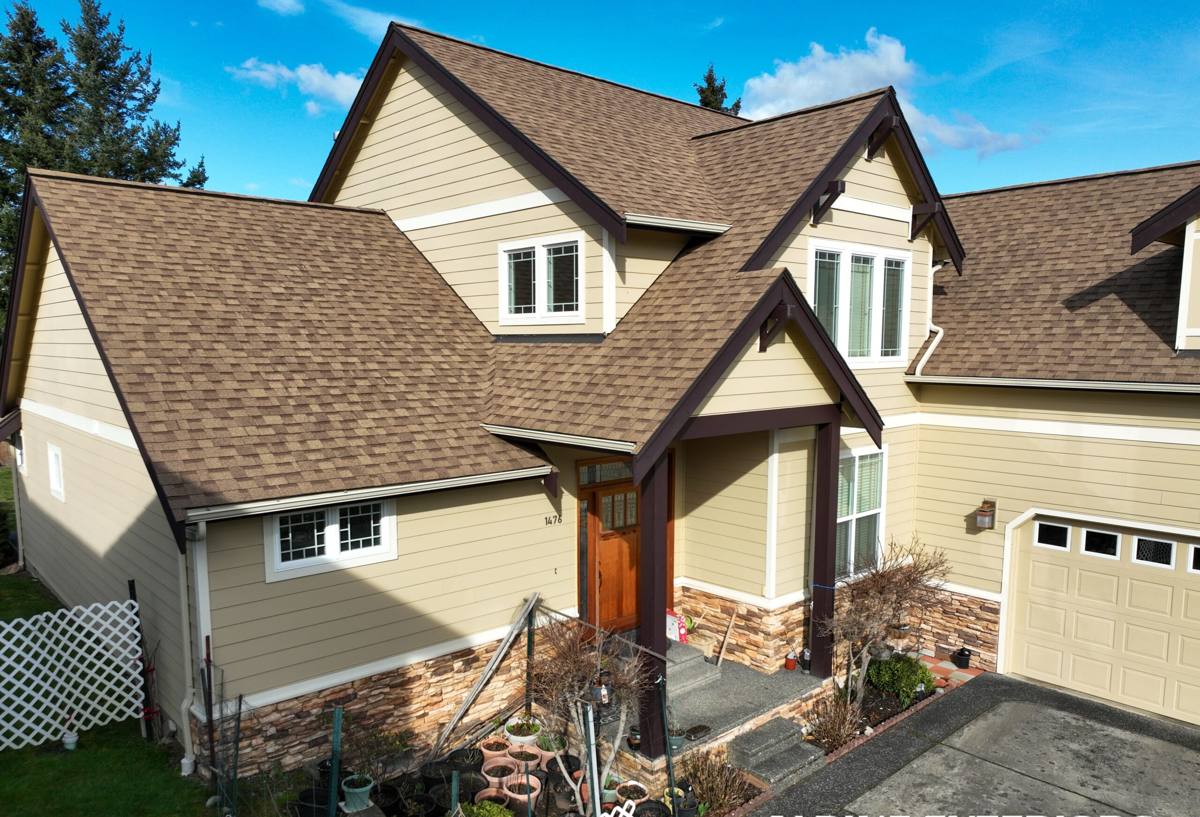
What Constant Coastal Exposure Actually Does to a Roof
Wind
Clearwater and Pinellas County sit in a wind-borne debris region under the Florida Building Code, and waterfront neighborhoods like Island Estates feel the full force of tropical systems and seasonal squalls with nothing to slow them down first. Roofs here need uplift resistance built into the install — not just the shingle rating on the wrapper, but how it's fastened, how the edges are secured, and how the deck underneath is attached.
UV and heat
Central Florida sun is intense nearly year-round, and reflected glare off open water adds to it. UV breaks down asphalt oils and degrades sealant strips over time, which is part of why roofs in this area often show granule loss and brittleness before they hit their rated lifespan.
Wind-driven rain
It's rarely straight-down rain here during a storm — it comes in sideways, which pushes water up under shingle edges, through poorly lapped flashing, and into any gap that a calmer climate roof could get away with ignoring. Underlayment and flashing detail matter more here than in drier, calmer regions.
Salt air
Airborne salt accelerates corrosion on exposed metal — nails, flashing, vent stacks, and fasteners. A roof built with standard-grade hardware in a waterfront setting like Island Estates will show rust and metal fatigue well before an inland roof using the same parts.
Signs an Island Estates Roof Needs Full Replacement, Not Another Patch
Repairs make sense for isolated damage. A full new roof installation makes sense when the roofing system as a whole is past the point where patching buys you real time. Common signs we look for on service calls in this area:
- Shingles that are cupping, curling, or losing granules across large sections, not just one spot
- Soft or spongy decking found during inspection, especially near valleys and eaves
- A history of repeated repairs to the same areas within a few years
- A roof approaching or past the manufacturer's rated service life, especially on a home this close to the water
- Visible sagging along the roofline or in the ridge
- Rusted or deteriorating flashing, vent boots, and fasteners
- Interior staining, ceiling spots, or musty odors after wind-driven rain events
- Missing or outdated features that could qualify the home for better wind mitigation insurance credits
What a Correct New Roof Installation Involves
Tear-off and deck inspection
We remove the old roofing system down to the deck rather than layering over it. That's the only way to actually see the condition of the plywood or OSB underneath — soft, delaminated, or water-damaged decking has to be replaced before anything new goes on, or the new roof is only as good as the rotten wood underneath it.
Water barrier and underlayment
Given how much wind-driven rain this area sees, we don't treat underlayment as an afterthought. A synthetic underlayment or self-adhering membrane in high-exposure areas like valleys, eaves, and around penetrations gives the deck a real second line of defense if wind ever drives water past the primary roofing material.
Flashing and penetrations
Chimneys, vent stacks, skylights, and wall-to-roof transitions are where most leaks actually start, not the open field of the roof. Correct step flashing, counter-flashing, and sealed penetrations matter more in a coastal wind environment than almost any other detail on the job.
Fastening for wind uplift
We fasten to the wind zone requirements that apply in this part of Pinellas County, not the bare minimum. That includes nail count and placement, starter strip installation at the eaves and rakes, and proper attachment at ridge caps — the areas that fail first in a wind event when they're cut short.
Ventilation
A roof that can't breathe traps heat and moisture in the attic, which shortens the life of the roofing material from underneath. Balanced intake and exhaust ventilation is part of a correct install, not an optional upgrade.
Roofing Material Options for a Waterfront Clearwater Home
There's no single "best" roofing material for Island Estates — the right choice depends on the home's structure, your budget, and how long you want to go before the next replacement. Here's how the common options stack up under this area's conditions:
| Material | Wind Performance | Salt Air Durability | Typical Lifespan Here |
|---|---|---|---|
| Architectural asphalt shingle | Strong when properly fastened; widely rated for high-wind zones | Good with quality fasteners and flashing; standard choice for the area | Roughly 15–25 years depending on exposure and ventilation |
| Standing seam metal | Excellent uplift resistance; performs very well in open wind exposure | Very good with coastal-rated finishes and stainless or coated fasteners | Roughly 30–50 years |
| Concrete or clay tile | Very good when installed with proper fastening; heavy and stable | Good; the tile itself resists salt, though underlayment life becomes the limiting factor | Roughly 30-plus years for the tile, with underlayment replacement sooner |
Whichever material fits your home, the installation detail — fastening, flashing, underlayment — affects real-world performance here as much as the material choice itself.
Permits and Wind Mitigation in Pinellas County
A new roof installation in Clearwater requires a building permit, and the finished work gets inspected against the current Florida Building Code wind requirements for this region. We handle the permit filing and coordinate the required inspections as part of the job — it's not something you should have to chase down yourself.
It's also worth doing a wind mitigation inspection after a new roof goes on. Insurers in Florida offer premium credits for verified wind-resistant features — things like a properly rated roof covering, secondary water barrier, and correct roof-to-wall attachment. For a lot of homeowners on the water in Island Estates, that inspection pays for itself through lower windstorm insurance premiums.
Our Process, Start to Finish
1. On-site assessment
We look at the roof, the decking condition where accessible, ventilation, and any problem areas — not just a drive-by estimate.
2. Written estimate and material selection
You get a clear scope of work and pricing before anything is scheduled, with an honest rundown of material options for your specific roof.
3. Permitting
We pull the required permit with the city or county before work begins.
4. Tear-off and deck repair
Old roofing comes off, decking is inspected, and any damaged sections are replaced.
5. Installation
Underlayment, flashing, the roofing material, and ventilation components go in to spec, with attention to the fastening and detailing this area's wind exposure demands.
6. Final inspection and cleanup
The completed roof is inspected, the site is cleaned of debris and old material, and we walk you through the finished work.
Why a Crew That Already Works Island Estates Matters
A roofing crew that regularly works waterfront neighborhoods like Island Estates already knows what standard-issue materials and shortcuts won't hold up to. They know to spec corrosion-resistant fasteners instead of standard ones, to pay extra attention to flashing details on homes that take direct wind off the water, and to plan around the practical realities of working on canal-front and bay-front lots — things like access, staging, and protecting docks or seawalls during tear-off and delivery.
That local experience also shows up in smaller ways: knowing which inspectors are involved in this jurisdiction, understanding realistic timelines around Florida's storm season, and being straightforward with you about what your specific roof needs instead of applying a one-size-fits-all package.
After Installation: Keeping a Coastal Roof Performing
A correctly installed roof still benefits from basic upkeep in this environment. A yearly visual check for lifted shingles, debris in valleys, and corrosion on exposed metal catches small issues before they become leaks. Keeping gutters clear reduces water backing up under the roof edge during heavy, wind-driven rain. If you notice granule buildup in gutters, soft spots, or any interior staining after a storm, it's worth having it looked at promptly rather than waiting for the next inspection cycle.
If your Island Estates home is due for a new roof, we're happy to take a look and put together a clear, no-pressure estimate — no obligation, and no upsell on materials your home doesn't need. Use the form below to request a free estimate and we'll get back to you to schedule a time.