 Clearwater Window
 Deck Repair Built for Belleair's Coastal Conditions
Belleair sits close enough to the Gulf and Clearwater Harbor that every outdoor structure on a property takes a beating most inland homes never see. Decks are especially exposed: they're horizontal surfaces that catch direct sun for most of the day, they pool water after Florida's frequent downpours, and they sit low enough to the ground to stay damp long after a storm passes. A deck that would last decades in a drier climate can develop real structural problems here in half that time if it isn't built and maintained with this environment in mind.
We repair decks throughout Belleair and the surrounding Clearwater area, and the patterns of damage we see are consistent. Understanding those patterns is the first step to fixing a deck correctly instead of just patching what's visible on the surface.
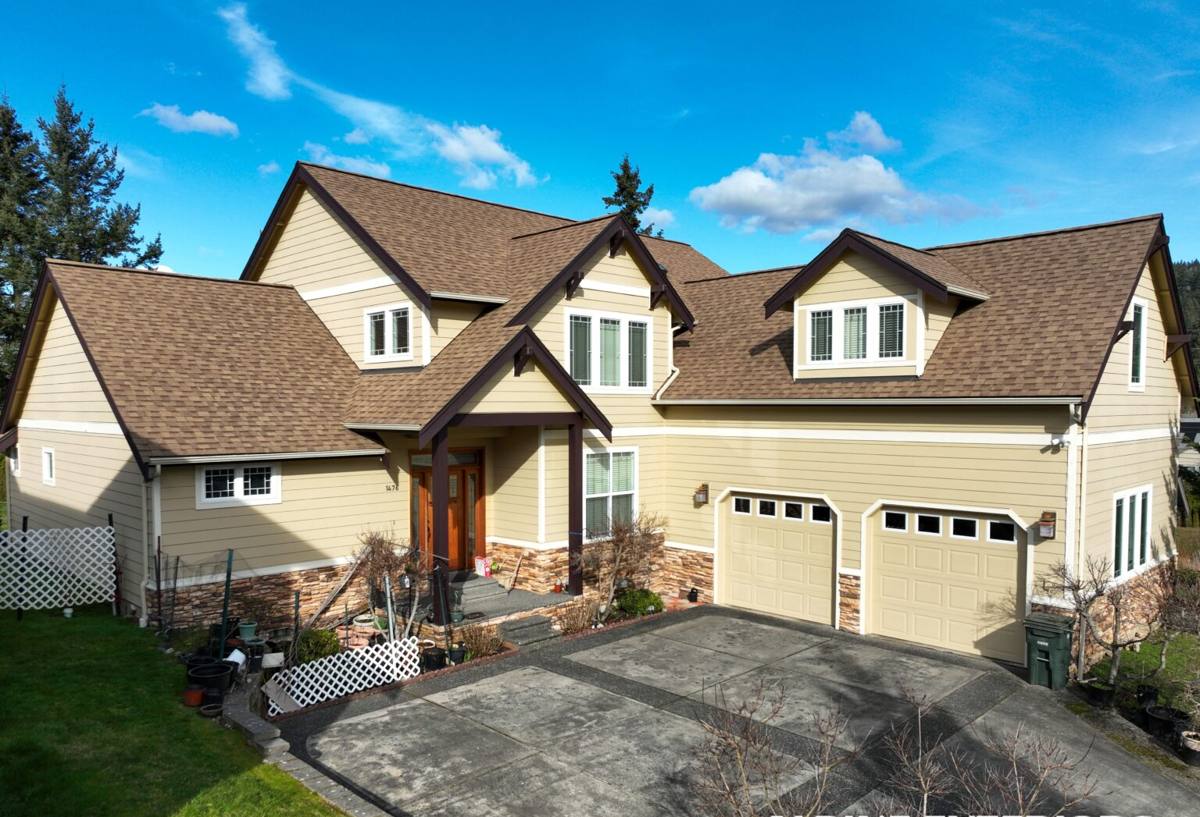
Why Belleair Decks Wear Differently
Sun and UV Exposure
Pinellas County gets intense, nearly year-round sun. UV breaks down the lignin in wood fibers and degrades the resins and plasticizers in composite decking, which is why boards that looked fine two summers ago can turn gray, chalky, or brittle. Sun exposure also bakes out surface sealers faster than manufacturers' schedules assume, leaving wood undefended against the next round of rain.
Wind-Driven Rain and Humidity
Storms here rarely arrive straight down. Wind-driven rain gets forced into joints, under flashing, and into end-grain cuts that were never sealed at installation. Combined with Florida's ambient humidity, that moisture doesn't evaporate quickly — it sits in the wood, in ledger board connections, and around fastener holes, which is exactly where rot and fastener corrosion start.
Salt Air
Belleair's proximity to the coast means a steady, low-level exposure to salt-laden air. Salt accelerates corrosion on any exposed metal — nails, screws, joist hangers, railing brackets — even on hardware rated for exterior use. Once fasteners start corroding, they lose holding strength long before the wood around them shows obvious damage.
Hurricane-Force Wind Loads
Every deck in this area needs to be built and maintained as if it will face hurricane-force wind at some point, because eventually it will. Railings, stair stringers, and the connections between the deck and the house structure all need to handle uplift and lateral force, not just the static weight of people standing on them. A deck that's cosmetically fine but has a weakened ledger connection or corroded railing post is a real safety risk in a wind event.
Common Deck Problems We Find in This Area
| Problem | What Causes It | Why It Matters |
|---|---|---|
| Soft or spongy decking boards | Trapped moisture, UV-degraded surface, rot beneath paint or sealer | Boards can fail under weight without warning |
| Loose or wobbly railings | Corroded fasteners, rotted post bases, undersized original hardware | Primary fall-protection failure point |
| Rust streaks or popped fastener heads | Salt air corrosion on nails and screws | Signals hardware has lost holding strength |
| Separation at the ledger board (where deck meets house) | Water intrusion behind flashing, wood decay at the connection | One of the most common causes of deck collapse |
| Cupped, cracked, or splintering boards | UV exposure combined with repeated wet-dry cycling | Trip hazard and entry point for more water |
| Discolored or chalky composite decking | UV breakdown of surface resins | Usually cosmetic but can indicate premature product failure |
| Stair stringer cracking or sagging | Moisture trapped where stringers meet grade or framing | Affects safe, level footing on every step |
What a Correct Deck Repair Actually Involves
A repair that only replaces the boards you can see is a repair that will likely need to be redone. Correct deck repair starts underneath, not on the surface.
1. Structural Inspection First
Before we touch a single board, we check the framing: joists, beams, posts, and — most importantly — the ledger board connection to the house. This is where we find the problems that don't show from the top, like soft joists under a perfectly good-looking deck surface.
2. Fastener and Hardware Assessment
Given the salt air in this area, we check joist hangers, structural screws, and connector hardware for corrosion, not just visible rust. Hardware that's lost integrity gets replaced with fasteners and connectors rated for coastal, corrosive environments — this is not the place to save money with standard-grade hardware.
3. Moisture Source Identification
If boards or framing are wet or rotted, we trace where the water is actually getting in — whether that's failed flashing at the ledger, gaps between boards that should have proper spacing, or a sealer that's worn through. Replacing wood without addressing the moisture path just resets the clock on the same failure.
4. Board and Component Replacement
Damaged boards, railing components, or stair parts are replaced to match the existing deck as closely as possible in material and fastening pattern, so the repair blends in and performs consistently with the rest of the structure.
5. Sealing and Protection
Cut ends, exposed fasteners, and repaired sections get properly sealed before the deck goes back into service. In this climate, an unsealed cut edge is an open door for the next round of wind-driven rain.
Wood vs. Composite: Repair Considerations
Belleair homeowners maintain both wood and composite decks, and repair approaches differ.
Wood Decking
Pressure-treated wood is repairable board by board, which is one of its advantages — a rotted section doesn't require replacing the whole surface. But it needs consistent resealing on a schedule that respects Florida's sun and rain, not a manufacturer's generic recommendation written for a milder climate. We're honest with clients that wood in this environment is a maintenance commitment, not a one-and-done install.
Composite Decking
Composite resists rot in the board itself, but the substructure underneath is still almost always wood, and that framing needs the same moisture and hardware attention as a wood deck. Composite boards also expand and contract with heat more than wood, so repairs need to account for proper gapping — installing replacement boards too tight is a common mistake that causes buckling in our summer heat.
Our Standard on Repairs
We match repair materials to what's already on the deck whenever a good match is available, and we're upfront when a section is degraded enough that patching won't hold up as long as full replacement of that area. We'd rather tell a homeowner honestly what will last than sell a quick fix that fails again in a season.
Our Deck Repair Process in Belleair
- On-site inspection of the full structure — surface, framing, connections, and hardware
- Written assessment of what's failing, what's causing it, and what repair options make sense
- Honest scope discussion — what needs fixing now versus what can be monitored
- Repair work: framing and hardware first, then decking, railings, and stairs
- Sealing and finish work on all repaired and replaced sections
- Final walkthrough so you understand what was done and what maintenance to expect going forward
Signs Your Belleair Deck Needs Attention
- Boards that feel soft, spongy, or flex noticeably underfoot
- Railings that wobble or move when you lean on them
- Visible rust streaking from screws or nail heads
- Gaps or separation where the deck meets the house
- Cracking, splintering, or splitting boards
- Standing water that doesn't drain within a few hours after rain
- A musty smell coming from underneath the deck
- Stairs that feel uneven or shift slightly when used
Why Hire a Crew That Already Works in This Area
Deck repair standards written for a national audience don't account for Pinellas County conditions. A crew that regularly works in Belleair and along the Clearwater coastline already knows which connections fail first in salt air, which fastener grades actually hold up, and how local wind exposure should factor into railing and post repairs. That local pattern recognition means less time spent diagnosing and more time spent fixing the right problem the first time.
It also means we're not guessing about permitting or inspection expectations for structural deck work in this jurisdiction. Structural repairs — especially anything touching the ledger connection, framing, or load-bearing posts — should be handled with the same seriousness as any other structural work on your home, not treated as a weekend carpentry project.
Maintaining Your Deck After Repair
A repaired deck still needs regular attention in this climate to get its full lifespan. That means periodic inspection of fasteners and connections for corrosion, resealing wood surfaces on a schedule suited to Florida sun rather than a generic label recommendation, keeping debris and standing water off the surface, and checking the area underneath the deck for trapped moisture or poor airflow. Catching a small issue during a routine check is far cheaper and less disruptive than waiting until a board fails or a railing gives way.
If you're noticing any of the warning signs above, or it's simply been a while since your deck had a real structural look-over, we're happy to come out and take a look. We offer free, no-pressure estimates for deck repair in Belleair and the surrounding Clearwater area — just fill out the form below and we'll get in touch to schedule a visit.