 Clearwater Window
 Why Del Oro Homes Need More Than a Standard Window Swap
Del Oro homeowners aren't dealing with generic weather. This is Clearwater, Pinellas County — a stretch of the Gulf Coast where the sun is relentless, storms roll in fast off the water, and salt air works on everything it touches. Windows here are doing real structural and protective work every single day, not just letting light in. When it's time to replace them, the job has to account for what this specific climate does to a home over the years, not just match whatever was there before.
A window replacement done right in this area is part comfort upgrade, part energy fix, and part structural defense. Get any one of those pieces wrong — the wrong glass package, sloppy flashing, an install crew unfamiliar with local wind requirements — and you end up with a window that looks fine on day one but underperforms or fails years before it should.
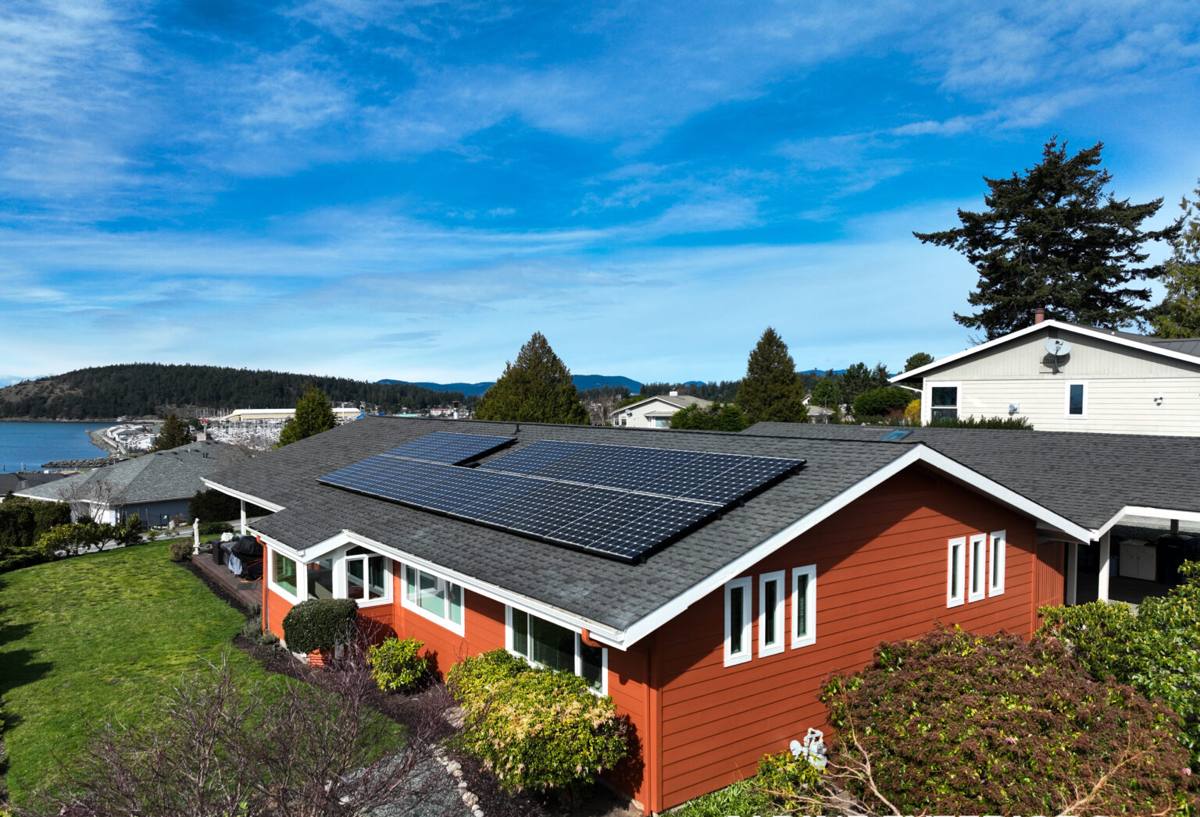
What Clearwater's Climate Actually Does to Windows Over Time
UV and Heat Load
Florida sun is intense and constant, and it hits west- and south-facing windows in Del Oro particularly hard through the long afternoons. Over years, UV breaks down cheap vinyl frames, fades interior finishes near the glass, and pushes cooling costs up when older single-pane or poorly rated glass lets heat pour through. This isn't a seasonal problem — it's a year-round load on the building envelope.
Salt Air and Corrosion
Being close to the Gulf means airborne salt is a constant, low-grade attack on hardware, screws, and metal components. Cheaper fasteners and low-grade hardware corrode faster here than they would inland, which is why frame material and hardware quality matter more in a coastal Clearwater neighborhood than they would in, say, central Florida.
Wind-Driven Rain
Rain in this area rarely falls straight down. During storms, it comes in sideways and gets driven directly at window openings under pressure. A window that isn't properly flashed and sealed won't just leak eventually — it can let water intrude during the very first serious storm after installation, causing hidden damage inside wall cavities long before anyone sees a stain.
Hurricane and Tropical Storm Wind Loads
Pinellas County sits in a wind-borne debris region, which means window products and installation methods here are governed by real structural requirements, not just aesthetic preference. Windows have to resist both sustained wind pressure and impact from flying debris during tropical systems. This is the piece that separates a coastal Florida window job from a typical home-improvement window swap done almost anywhere else in the country.
What a Correct Window Replacement Involves in Del Oro
Choosing the Right Glass and Frame Package
For this area, that generally means impact-rated glass or a code-compliant protection system, frames that hold up to sustained UV and humidity without warping or yellowing, and hardware rated for coastal exposure. The right package depends on the home's orientation, the specific wind zone requirements at that address, and the homeowner's priorities around energy performance and noise reduction.
Correct Flashing and Waterproofing
This is the part that doesn't show up in a showroom but matters most in the field. Every opening needs proper flashing integration with the home's water-resistive barrier, correctly applied sealant at the right points (not everywhere — over-sealing traps moisture just as badly as gaps do), and attention to how water is meant to shed away from the opening. A beautiful window installed with careless flashing will still leak.
Installation Sequence That Respects the Structure
Old windows have to come out without damaging the surrounding framing or stucco. The new opening gets inspected and prepped, not just measured. The unit is set plumb, level, and square, fastened per the manufacturer's and code's requirements for this wind zone, then sealed and finished. Skipping steps to save time is exactly how coastal installs fail early.
Comparing Frame Materials for This Climate
| Frame Material | UV/Heat Performance | Salt Air Resistance | Maintenance |
|---|---|---|---|
| Vinyl (quality, coastal-rated) | Good with UV-stabilized formulations | Good; no corrosion, but lower-grade vinyl can warp | Low |
| Aluminum | Handles heat well; can transfer more exterior temperature | Requires corrosion-resistant coatings/hardware | Moderate |
| Fiberglass | Excellent dimensional stability under heat and sun | Very good; naturally resistant to corrosion | Low |
| Wood-clad | Interior wood needs protection from UV/humidity | Vulnerable without diligent maintenance | High |
None of these is automatically "wrong" — the right choice depends on budget, the home's architectural style, and how much upkeep the homeowner wants to take on. What matters is that whichever material is chosen, it's specified and installed to hold up specifically to Clearwater's combination of sun, salt, and storm exposure.
Our Process, Start to Finish
- On-site assessment: We look at existing window condition, framing, orientation, and any signs of past water intrusion before recommending anything.
- Product selection: We walk through glass, frame, and performance options suited to the home's specific exposure and the homeowner's priorities — energy, noise, budget, appearance.
- Honest, itemized estimate: No pressure, no vague bundled pricing. You see what you're paying for.
- Permitting: We handle the permit process required for window replacement work in this jurisdiction.
- Removal and prep: Old units come out carefully; the opening is inspected and prepped before anything new goes in.
- Installation: Set, fastened, flashed, and sealed to manufacturer specification and local code.
- Final walkthrough and inspection: We confirm operation, seal quality, and finish work, and coordinate any required inspection sign-off.
Permitting and Wind-Borne Debris Requirements
Window replacement in Pinellas County isn't a pull-and-swap job you can do off the books. Permitted work means the products used have to meet documented wind and impact standards for the applicable wind zone, and the installation has to be inspected against that standard. This protects the homeowner in two ways: it verifies the work will actually perform in a storm, and it keeps the home's paperwork clean for insurance and future resale. A contractor who suggests skipping permitting to save time or money is asking you to take on risk that should never be yours to carry.
Signs Your Del Oro Home's Windows Need Replacing
- Visible fogging or condensation between panes of double-pane glass — a sign the seal has failed
- Frames that feel soft, warped, or show discoloration from UV exposure
- Difficulty opening, closing, or locking windows smoothly
- Drafts or noticeable temperature difference near the window even when closed
- Visible corrosion on hardware, hinges, or fasteners
- Any history of water staining on interior walls or sills near a window opening
- Windows that predate current wind-borne debris code requirements for the area
- Noticeably higher cooling bills without another clear cause
Any one of these on its own might not mean immediate replacement, but a home showing several of them — especially in an older Del Oro property — is due for a real evaluation rather than a patch fix.
Why Hiring a Crew That Already Works in This Area Matters
A window installer who mainly works inland doesn't have the same daily reps with coastal wind zone requirements, salt-air hardware selection, or the specific way wind-driven rain attacks an opening during a Gulf Coast storm. That's not a knock on general contractors — it's just a different skill set. A crew that regularly works Clearwater and the surrounding Pinellas County neighborhoods has already made the judgment calls this climate demands, on real homes, under real permitting scrutiny, more than once.
There's also a practical side to local experience: knowing which details tend to get flagged in this jurisdiction's inspections, understanding how older Del Oro-area construction was typically built so the crew isn't guessing at what's behind the stucco, and being available for a warranty callback without a long drive.
After Installation: What Ongoing Care Looks Like
Even a correctly installed window benefits from basic upkeep in this climate. Rinsing accumulated salt residue off frames and hardware periodically helps slow corrosion. Checking sealant lines once a year for cracking or separation catches small issues before they become water intrusion problems. Operable hardware should be exercised occasionally rather than left untouched for long stretches, especially after storm season. None of this is heavy maintenance — it's the kind of five-minute check that extends the life of a proper installation by years.
Get a Straight Answer for Your Home
Every Del Oro home is a little different — orientation, age, prior renovations, and exposure all factor into what windows actually make sense. If you'd like a clear, no-pressure look at your options and an honest estimate, the form below gets you started. No obligation, no pushy follow-up — just a straight answer from a crew that works this area regularly.