 Clearwater Window
 New-Construction Windows in Downtown Clearwater
Downtown Clearwater has been quietly filling in for years — infill homes on older lots, teardown-rebuilds near the water, second-story additions, and new townhomes within a short walk of Clearwater Harbor and the Memorial Causeway approach. Any of those projects means windows are going into a house that doesn't have windows yet, which is a different job than swapping out an old unit. New-construction windows get installed during framing, before the exterior finish goes on, and they become part of the building's structural water and wind barrier — not just glass in a hole.
That distinction matters more here than in a lot of places. A downtown lot close to the water deals with more direct wind exposure, more wind-driven rain, and more salt-laden air than a home a few miles inland. Windows installed correctly at the framing stage are the difference between a house that stays dry and airtight for decades and one that starts showing water stains around openings within a few years.
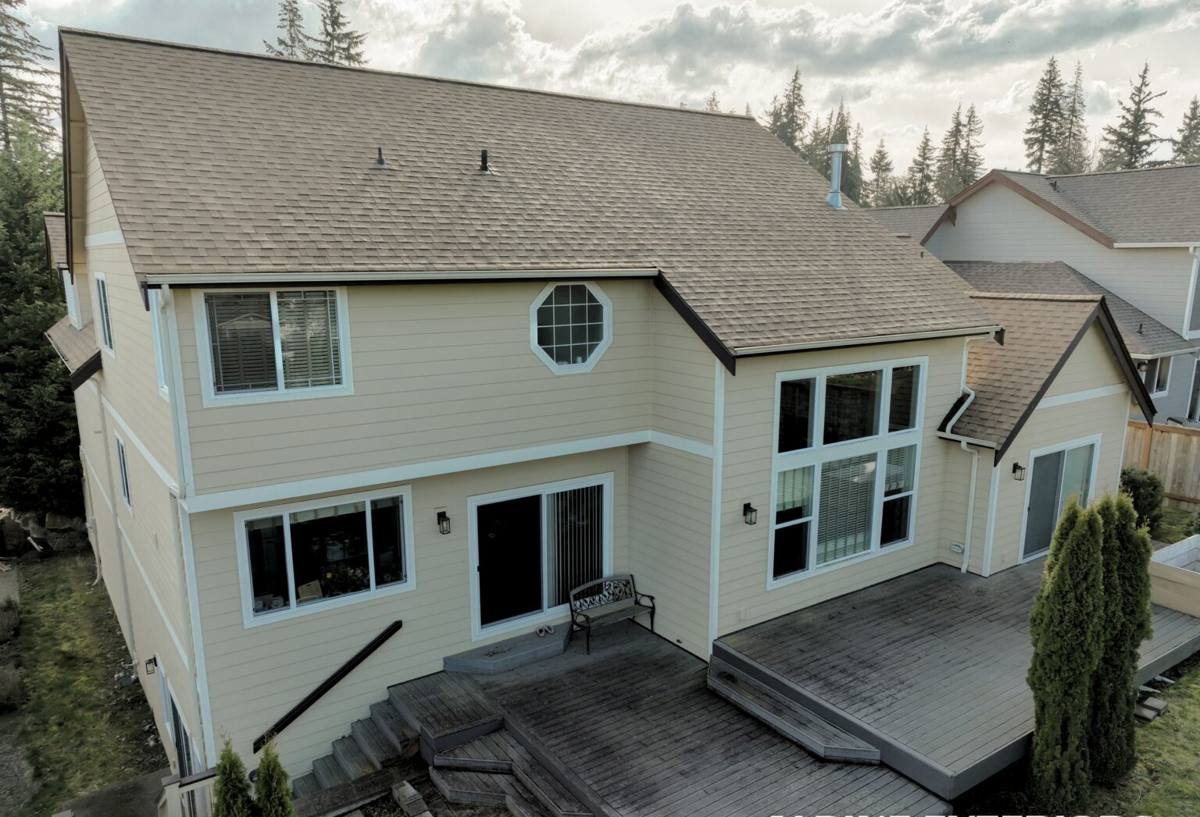
What Downtown Clearwater's Climate Actually Does to a Building Envelope
Pinellas County sits on a peninsula, and Downtown Clearwater is close enough to open water that its building envelope takes on a few specific stresses:
- Hurricane-force wind: Even outside a direct hit, tropical systems push sustained wind loads against window openings that inland construction never sees. The rough opening, the fastening pattern, and the window's own structural rating all have to be matched to that load.
- Wind-driven rain: Rain doesn't fall straight down in a coastal wind event — it drives sideways into the wall. Flashing details around a new-construction window have to shed water that's actively being pushed uphill against the opening, not just water running down the face of the wall.
- Year-round UV: Florida sun is intense on a normal day and relentless over a year. Frame materials, seals, and glass coatings age faster here than in most of the country if they weren't specified for it.
- Salt air: Proximity to the harbor and the Gulf means airborne salt settles on hardware, fasteners, and frame surfaces. Materials and fasteners that aren't rated for a coastal environment corrode faster, which shows up as stuck locks, streaking, and eventually seal failure.
None of that means a house downtown needs anything exotic. It means the window package and the installation details need to be chosen and executed correctly the first time, because a new-construction install is largely inaccessible once the siding, stucco, or brick veneer goes on around it.
New-Construction Windows vs. Replacement Windows: Why It's Not the Same Job
We get asked often why we quote "new construction" and "replacement" as separate services. The short answer: they're different products installed with different methods.
New-Construction Windows
These windows have a nailing fin (also called a flange) around the perimeter of the frame. They're installed into an open rough opening before exterior cladding goes on, fastened directly to the wall sheathing through that fin, and integrated with the house's weather-resistant barrier (housewrap or self-adhered membrane) using a specific flashing sequence. Because the fin and flashing become part of the wall's water management system, this method gives the most reliable long-term seal — which is exactly what a coastal opening needs.
Replacement (Insert) Windows
These have no nailing fin. They're built to slide into an existing frame that's staying in place, sealed at the perimeter with sealant and sometimes trim, and don't touch the sheathing or house wrap. That's the right approach for a remodel where the existing frame is sound. It is not the right approach for a new opening, an addition, or a rebuild where the wall is being built from scratch — using an insert window in a new rough opening skips the flashing integration that keeps wind-driven rain out.
For any new build, addition, or full teardown-rebuild in Downtown Clearwater, new-construction windows with proper flange installation are the only method we'll use. It's not a preference — it's the only detail that holds up against this area's weather over time.
What a Correct New-Construction Install Actually Involves
The window itself is one part of the job. The other part — the part that determines whether the opening stays dry for the next thirty years — is the sequence around it:
- Rough opening check. Verify the opening is square, plumb, and sized correctly before the window ever shows up on site. Framing errors caught here are cheap; framing errors caught after drywall are not.
- Sill pan flashing. A sloped, sealed pan at the bottom of the opening gives any water that gets past the window a way out instead of a way in.
- Housewrap integration. The weather barrier gets cut, folded, and taped in a specific shingle-lap order — side flashing first, then the window, then head flashing lapped over the top — so water always sheds outward and downward, never into the wall.
- Fastening to structural load. Nailing fin fasteners go in at the spacing and type specified for the window's tested wind rating, not just "enough to hold it."
- Sealant, not just caulk. The right sealant at the right joints, compatible with the window frame material and the housewrap, applied where it actually does structural water-sealing work rather than just cosmetically covering a gap.
- Interior air seal. Low-expansion foam or backer rod and sealant around the interior perimeter to control air infiltration without bowing the frame.
Skip or rush any one of these steps and the window itself can be excellent quality and the opening will still leak eventually. This is the part of the job that doesn't show up in a product brochure but is where most long-term window failures actually start.
Code, Wind Load, and Permitting for Pinellas County
New-construction window work in Downtown Clearwater is governed by the Florida Building Code and reviewed through Pinellas County or City of Clearwater permitting, depending on the jurisdiction of the lot. A few things every homeowner or builder should know going in:
- Windows have to carry a design pressure (DP) rating matched to the wind zone and exposure category of the specific site — a lot close to open water can carry a higher wind exposure classification than one further inland, even within the same zip code.
- Product approval documentation (Florida Product Approval or Miami-Dade NOA) has to match the specific window model being installed — substituting a similar-looking window without matching approval is a permitting problem waiting to happen.
- Bedrooms and certain other rooms have egress size and sill height requirements that have to be accounted for at the window selection stage, not after the rough opening is already framed.
- Impact-rated glass or approved shutter protection is required for openings in the wind-borne debris region, which covers this area.
- Inspections typically happen at rough opening (flashing and fastening) and again at final — both need to pass before the exterior finish covers the work permanently.
We handle the product approval paperwork and coordinate inspections as part of the job, so this stays the contractor's problem and not the homeowner's.
Frame and Glass Choices for a Coastal Downtown Lot
There's no single "best" window for every project — the right choice depends on the home's style, budget, and exact exposure. Here's how the common options stack up for a Downtown Clearwater build:
| Frame Material | Coastal / Salt Air Performance | Maintenance | Typical Use |
|---|---|---|---|
| Vinyl | Good — won't corrode or rust; UV-stable formulations hold color | Low | Most common choice for new residential builds |
| Aluminum | Very good structurally; needs corrosion-resistant hardware and fasteners near the water | Low to moderate | Larger openings, contemporary designs |
| Fiberglass | Excellent — highly stable in heat and salt exposure, minimal expansion/contraction | Low | Higher-end builds, larger spans |
| Wood-clad | Weakest for direct coastal exposure unless cladding and detailing are excellent | Higher | Interior-facing or well-protected openings only |
On glass, impact-rated laminated glass is standard practice for this area and satisfies the wind-borne debris requirement without relying on shutters. Low-E coatings cut down on the summer heat gain that year-round Florida sun otherwise pushes straight into the house, which matters for cooling costs in a home with large downtown-style window openings.
Our Process, Rough Opening to Final Inspection
For new-construction work we coordinate directly with the builder or homeowner through each stage:
- Review plans and confirm window sizes, DP ratings, and product approvals before ordering anything.
- Verify rough openings against the approved plan once framing is up.
- Install sill pan flashing, set and fasten the windows, and integrate housewrap flashing in the correct sequence.
- Coordinate the rough-in inspection with the local building department.
- Complete interior air sealing and trim-ready finish once the exterior cladding is on.
- Walk the finished openings with the homeowner or builder before final sign-off.
A Quick Checklist Before You Choose a Window Contractor for a Downtown Build
- Ask whether they quote true new-construction (nailing fin) windows for new openings — not insert windows.
- Confirm they'll provide Florida Product Approval or Miami-Dade NOA documentation matched to the exact window model.
- Ask how they handle sill pan flashing and housewrap integration — a contractor who can't describe this in detail probably isn't doing it consistently.
- Check that the quoted DP rating matches your lot's actual wind exposure, not just a generic minimum.
- Confirm who is scheduling and passing rough-in and final inspections — it should be the contractor, not left to the homeowner.
Why a Local Downtown Clearwater Crew Matters on This Kind of Job
New-construction window installation depends on getting a lot of small details right in a sequence that mostly disappears once the exterior finish goes on. A crew that regularly works Downtown Clearwater lots already knows which jurisdiction is reviewing the permit, what inspectors here typically flag, and how exposed a given block actually is to wind-driven rain off the harbor. That local familiarity shows up in fewer surprises at inspection and fewer callbacks after the first storm season, not in anything flashy.
If you're framing a new build, planning an addition, or rebuilding on a downtown lot, we're glad to walk the plans with you and put together a straightforward, no-pressure estimate — just fill out the form below to get started.