 Clearwater Window
 Building a Deck That Actually Holds Up in Belleair
Belleair sits close enough to the water that every outdoor structure on a property feels the Gulf's influence, whether the home is directly on the Intracoastal or a few blocks back toward Clearwater. A deck built here isn't just an outdoor living space — it's a structure that has to survive salt-laden air, intense year-round sun, sudden downpours, and the real possibility of a tropical storm or hurricane pushing wind-driven rain sideways into every joint and fastener. A deck built to a generic national standard, without accounting for that environment, tends to show problems within a few years: loose railings, corroding hardware, boards that cup or split, and ledger connections that were never properly flashed to begin with.
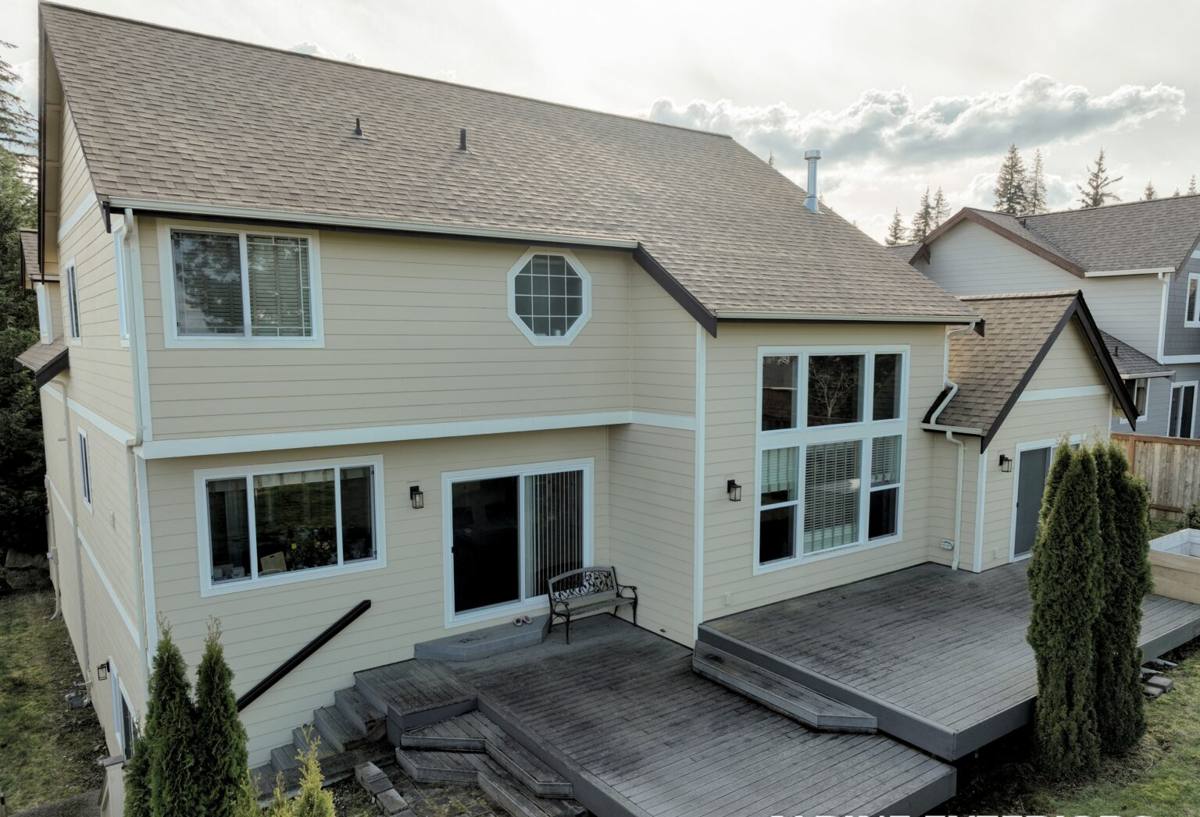
This page focuses specifically on deck building for Belleair homes — what the local climate demands, what a correctly built deck actually involves, and how our process is structured around the realities of building on the Pinellas County coast rather than around what's easiest or cheapest to install.
What Belleair's Coastal Environment Does to a Deck
Before talking about materials or process, it's worth being specific about what a deck in this area is actually up against, because it explains almost every decision that follows.
Salt Air and Corrosion
Airborne salt doesn't stay near the beach — it travels inland on the wind and settles on every exposed surface, including framing hardware, screws, and fasteners tucked underneath the deck boards where nobody looks. Standard hardware that's fine in an inland climate will start rusting within a season or two here. Corroding fasteners are one of the most common reasons a deck that looks fine on top turns out to be structurally compromised underneath.
UV Exposure
Florida sun is intense and consistent almost all year, not just in summer. UV breaks down the lignin in wood fibers, fades color, and accelerates the drying and cracking cycle that leads to splinters and surface checking. Composite decking isn't immune either — cheaper composite products can fade or chalk under sustained UV if they weren't engineered for it.
Wind-Driven Rain and Moisture Cycling
Afternoon storms are routine, and hurricane season brings the possibility of sustained high winds pushing rain horizontally into ledger boards, stair stringers, and post bases. A deck here goes through constant wet-dry cycling. Wood that isn't properly sealed and detailed for drainage will trap moisture at the worst possible points — where the deck attaches to the house, and where posts meet the ground or footings.
Hurricane-Force Wind Loads
Pinellas County's building code accounts for high wind zones, and a deck's railing system, post connections, and ledger attachment all need to be engineered to resist uplift and lateral loads, not just support foot traffic. This isn't optional detailing — it's the difference between a deck that stays intact through a storm and one that doesn't.
Choosing the Right Decking Material for a Belleair Property
There's no single "best" decking material for every home — it depends on budget, how much maintenance the owner wants to do, and how close the property sits to open water. Here's an honest comparison of the main options we work with.
| Material | Salt Air Performance | Maintenance | Typical Lifespan (Local Conditions) |
|---|---|---|---|
| Pressure-Treated Pine | Fair — needs sealing to resist moisture and salt intrusion | Annual cleaning and resealing recommended | 10–15 years with upkeep |
| Composite Decking | Good to excellent, depending on the product line | Periodic washing, no sealing or staining | 20–25+ years, manufacturer-dependent |
| Tropical Hardwoods (e.g., ipe) | Very good — naturally dense and rot-resistant | Occasional oiling to maintain color; low structural upkeep | 25+ years |
| PVC / Capped Polymer | Excellent — fully synthetic, no wood fiber to absorb salt or moisture | Lowest — occasional rinsing | 25–30 years |
We'll walk a homeowner through this comparison against their actual budget and how the deck will be used — a low-maintenance capped polymer board makes sense for a rental or a homeowner who travels often, while a pressure-treated deck with a disciplined resealing schedule is a reasonable, lower-cost option for someone willing to maintain it.
Where We Stay Cautious
We don't push whatever decking has the best margin — we tell homeowners the trade-offs plainly. Untreated softwoods and bargain composite lines with thin or no capping tend to underperform quickly in this climate: they absorb moisture at cut ends, fade unevenly, or degrade faster than their warranty language suggests. If a product isn't rated for coastal, high-UV use, we'll say so and explain why, rather than let a homeowner find out after installation.
Framing and Foundation: Where Most Deck Failures Actually Start
The decking surface is what people notice, but the framing underneath is what determines whether a deck lasts. Most deck failures we get called to inspect start below the boards, not on top of them.
Ledger Attachment
The ledger board — where the deck attaches to the house — is the single most important connection on the structure and the most common source of water intrusion when it's flashed incorrectly. Proper flashing directs water away from the house wall instead of letting it wick into the sheathing and framing behind the ledger.
Post Footings
Footing depth and diameter have to account for Florida's soil conditions and the wind uplift requirements in the local code. Undersized or shallow footings are a common shortcut on older or lower-cost decks, and they show up as wobble or lean long before the boards themselves show wear.
Joist Spacing and Hardware
Joist spacing needs to match the decking material's span rating — composite boards generally require tighter joist spacing than solid wood. Every joist hanger, post base, and structural screw should be stainless steel or a coastal-rated coated fastener, not standard galvanized hardware that will corrode within a few seasons of salt exposure.
Permitting and Code Requirements in Pinellas County
Deck construction in this area is governed by the Florida Building Code with Pinellas County's local amendments, and most decks above a certain height or size require a permit and inspection. This isn't paperwork for its own sake — it exists specifically because of the wind loads this region sees. Key items that get checked include:
- Ledger attachment and flashing details
- Footing size and depth relative to the deck's load and height
- Railing height and baluster spacing (guard requirements for elevated decks)
- Stair rise, run, and handrail specifications
- Fastener type and connection hardware rated for the applicable wind zone
We pull permits and schedule inspections as part of the job rather than treating it as the homeowner's responsibility to sort out. An unpermitted deck can complicate a home sale or an insurance claim down the road, so this step matters even when it slows down the start date.
Our Deck Building Process
Every deck we build for a Belleair property follows the same basic sequence, adjusted for the specific home and site conditions.
- On-site assessment. We look at the house structure where the deck will attach, the grade and drainage of the yard, sun and wind exposure, and how close the property sits to open water — that proximity affects how aggressively we spec fasteners and finishes.
- Design and material selection. We go over decking material, railing style, and layout against the homeowner's budget and maintenance preferences, using the trade-offs above as a starting point.
- Permitting. We prepare and submit the permit package with the structural details Pinellas County requires, and schedule the inspections that go with it.
- Demolition or site prep. If we're replacing an existing deck, we remove it and inspect the ledger area and any framing that was hidden underneath before building begins.
- Framing. Footings, posts, beams, and joists go in first, using coastal-rated hardware throughout — this is the stage that determines the deck's real lifespan.
- Decking, railings, and stairs. The visible surface goes down last, along with railings and any stair systems, finished to the spacing and height requirements that apply to the structure.
- Final inspection and walkthrough. We confirm the permit closes out and walk the homeowner through basic care for whatever material was installed.
Railings, Fasteners, and Hardware That Hold Up
A deck's hardware is invisible once the job is finished, which is exactly why it's the part most likely to get cut on lower-bid jobs. Standard zinc-plated screws and brackets look identical to stainless or coated coastal-rated hardware on installation day — the difference only shows up two or three years later as rust streaks bleeding through the decking and weakening connections. We spec stainless steel or coastal-coated structural screws, hangers, and post hardware as standard on every deck we build here, not as an upgrade option. Railing systems get the same scrutiny: baluster spacing has to meet code to prevent a child from passing through, and post connections need to resist lateral load, not just look solid when you lean on them.
Maintenance Realities by Material
Every decking material needs some maintenance in this climate — the honest question is how much and how often.
- Pressure-treated wood: annual inspection for splitting or popped fasteners; resealing every 1–2 years depending on sun exposure
- Composite: periodic washing to remove salt film and pollen buildup; check manufacturer guidance on cleaners, since some strip factory finishes
- Hardwoods: occasional oiling if the homeowner wants to preserve the original color, though many owners let it silver naturally with no structural downside
- PVC/capped polymer: minimal — rinse off salt residue and check railing hardware periodically
Regardless of material, we recommend a yearly check of fastener condition and railing stability, especially heading into hurricane season, since that's when a marginal connection is most likely to fail.
Why a Crew That Already Works Belleair Matters
A deck contractor who mainly builds inland or out of state will often default to standard fastener packages and generic material specs that aren't wrong, exactly — they're just not calibrated for this environment. Working this coastline regularly means knowing which hardware actually holds up near the water, which composite lines perform under year-round Florida UV without fading unevenly, and how Pinellas County's inspectors expect ledger flashing and footing details to be documented. It also means we're not guessing at wind load requirements or treating the permit process as an afterthought — it's built into the schedule from day one.
Signs an Existing Deck Needs Attention
If a deck on a Belleair property is already built, it's worth knowing what to watch for before a small issue becomes a safety problem.
- Rust streaks bleeding from screw heads or brackets onto the decking surface
- Any wobble in railings or posts when pressure is applied
- Soft or spongy spots underfoot, especially near the house connection
- Visible gaps or dark staining where the ledger meets the house siding
- Cupping, splitting, or graying boards that have gone untreated for several years
- Stairs that feel less rigid than they used to
Any of these is worth a professional inspection rather than a wait-and-see approach, particularly with storm season in play.
If you're planning a new deck or replacing one on a Belleair property, we're glad to walk the site, talk through material options honestly, and put together a free, no-pressure estimate — just fill out the form below.