 Clearwater Window
 Roofing Built for Del Oro's Specific Exposure
Del Oro homes sit in one of the toughest climates in the country for a roof to survive. Between hurricane-force wind gusts, near-constant UV exposure, wind-driven rain that finds every weak seam, and the slow corrosive drip of salt air off the Gulf, an asphalt shingle roof here works harder than one in almost any other part of the state. A roof that's installed correctly for this exposure will hold up for decades. One that's installed to a generic national standard, without accounting for Clearwater's coastal wind zone and sun load, tends to show problems years ahead of schedule — curling shingles, granule loss, nail pops, and leaks around penetrations.
This page covers what an asphalt shingle roof needs to hold up in Del Oro specifically: the materials and installation details that matter here, how our process works from first inspection to final cleanup, and why hiring a crew that already understands this neighborhood's wind zone and code requirements makes a real difference.
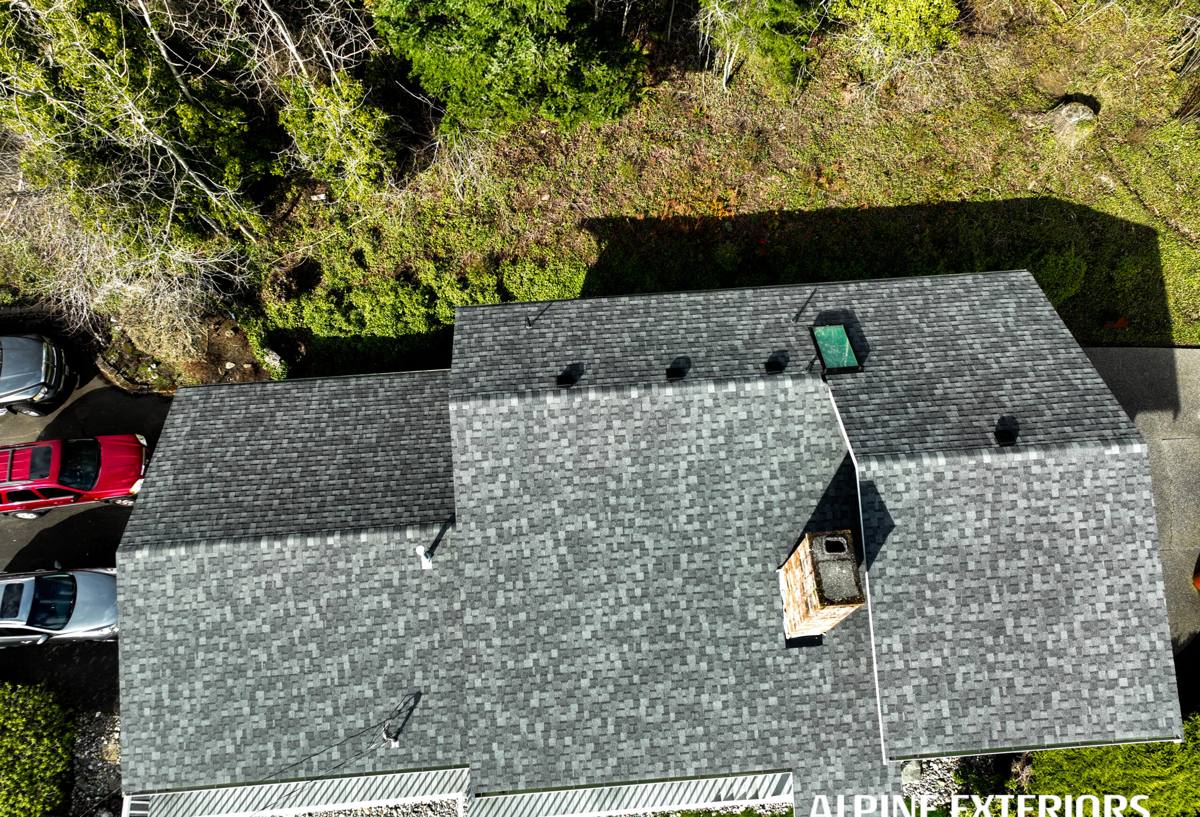
What Del Oro's Climate Actually Does to a Roof
It helps to understand the specific forces at work, because they drive every decision in a correct installation.
Hurricane-Force Wind
Pinellas County sits in a high-velocity hurricane zone, and Florida Building Code reflects that with strict wind-uplift requirements for roofing. Shingles that aren't rated, nailed, and sealed correctly for local wind speeds are the first thing to fail in a storm — not because the material is bad, but because the installation didn't account for uplift at the edges, ridges, and hips where wind pressure concentrates.
Intense, Year-Round UV
Florida's sun is relentless in every season, not just summer. UV breaks down the asphalt oils in a shingle over time, which is what eventually causes granule loss, brittleness, and cracking. This process happens faster here than in most of the country, which is a big part of why shingle warranties and real-world lifespans in Central Florida run shorter than the numbers printed on the package.
Wind-Driven Rain
Florida storms rarely fall straight down. Wind pushes rain sideways and up under shingle edges, ridge caps, and flashing — which means underlayment quality and flashing detail work matter as much as the shingles themselves. A roof that would shed water fine in a calm-rain climate can leak here if those details are cut short.
Salt Air
Being close enough to the Gulf that salt air reaches Del Oro roofs accelerates corrosion on exposed metal — nails, flashing, vent stacks, and drip edge. Fasteners and flashing that aren't corrosion-resistant will rust and weaken well before the shingles themselves are due for replacement.
What a Correctly Installed Shingle Roof Includes
A shingle roof is a system, not just a layer of shingles nailed to plywood. Every layer underneath the shingles has a job, and skipping or shortcutting any of them is where most premature failures start.
Underlayment and Water Barrier
Under the shingles, a synthetic or self-adhering underlayment provides the actual water barrier if wind ever drives rain past the shingle surface. In a wind-driven-rain climate like Clearwater's, this layer is not optional extra protection — it's the backup system that keeps a roof leak-free between storms and shingle replacements.
Nailing Pattern and Wind Rating
Florida Building Code specifies nailing patterns and fastener counts based on wind zone, and Pinellas County enforces this closely. Six-nail patterns, correct nail placement within the shingle's nailing strip, and proper starter-strip installation at eaves and rakes are what actually give a shingle roof its rated wind resistance — the shingle's wind rating on paper means nothing if the installation doesn't match it.
Flashing at Every Penetration
Chimneys, vent stacks, skylights, and roof-to-wall transitions are where the overwhelming majority of leaks start — not in the open field of shingles. Step flashing, counter-flashing, and pipe boots need to be correctly layered with the underlayment and shingles, not just caulked over.
Attic Ventilation
Proper intake and exhaust ventilation keeps attic temperatures down, which slows shingle aging from the underside and helps control moisture. In a high-UV, high-humidity climate, a poorly ventilated attic shortens shingle life from both directions at once.
Choosing the Right Shingle for This Exposure
Not every shingle product is a good fit for coastal Florida wind and sun. Here's how the common options compare for a Del Oro home:
| Shingle Type | Typical Wind Rating | Best Fit For | Trade-Offs |
|---|---|---|---|
| 3-Tab Shingle | Lower end of code minimums | Budget-conscious reroofs, rental properties | Shorter real-world lifespan in coastal wind/UV; less impact resistance |
| Architectural (Dimensional) Shingle | Higher rated, often 130 mph class | Most Del Oro homes | Higher upfront cost than 3-tab; heavier, thicker profile improves durability |
| Impact-Rated (Class 4) Shingle | Highest available; built for wind + hail impact | Homes seeking maximum durability or insurance credits | Highest material cost; insurance discount varies by carrier |
For most Del Oro homes, a quality architectural shingle rated for local wind speeds is the right balance of durability and cost. Class 4 impact-rated shingles cost more up front but can qualify for insurance premium discounts in some cases — worth asking your carrier about directly, since discount rules vary.
Our Process, Start to Finish
- Inspection and assessment — we look at the current roof's condition, decking, flashing, and ventilation, not just the shingles on top.
- Written scope and material selection — you get a clear explanation of what's being replaced, what shingle and underlayment we recommend for your exposure, and why.
- Permitting — we pull the required Pinellas County/City of Clearwater roofing permit and schedule inspections as required by code.
- Tear-off and decking check — old roofing comes off down to the deck, and we inspect the plywood for soft spots or water damage before anything new goes down.
- Underlayment, flashing, and shingle installation — installed to the nailing pattern and flashing details the wind zone requires, not shortcuts.
- Ridge vent and ventilation check — confirming intake and exhaust airflow is adequate for the attic.
- Final walkthrough and cleanup — magnetic sweep for stray nails, debris removed, and a final look-over with you before we consider the job done.
Signs Your Del Oro Roof Needs Attention
- Granules collecting in gutters or at downspout outlets
- Shingles that look curled, cupped, or have lifted edges
- Dark streaking or algae growth across the roof surface
- Visible cracking, especially on south- and west-facing slopes with the most sun exposure
- Soft spots or sagging when walked on (deck-level, not just surface)
- Water stains on interior ceilings or in the attic after heavy rain
- Missing or lifted shingles after a windstorm, even a minor one
- Rust streaks around vent stacks, flashing, or exposed fasteners
Any one of these is worth a look before it becomes an interior repair. Wind-driven rain in particular tends to find small gaps and turn them into real leaks fast, so catching problems at the roof stage is almost always cheaper than dealing with the water damage that follows.
Maintenance That Actually Extends Roof Life Here
Coastal Florida roofs benefit from a level of upkeep that isn't necessary in milder climates. Keeping gutters clear so water doesn't back up under the eaves, trimming back overhanging branches that hold moisture and drop debris, and having the roof looked at after any major storm are the habits that add years to a shingle roof's service life. Rinsing off accumulated salt and organic buildup periodically also helps slow the surface breakdown that constant sun and salt air cause.
Permits, Code, and Insurance Considerations
Reroofing in Pinellas County requires a permit, and the work has to meet current Florida Building Code wind-uplift and installation standards — not whatever standard was in place when the home was originally built. This matters for two practical reasons: it protects you if there's ever a wind damage claim, and it's often required for a wind mitigation inspection to reflect your roof's actual condition, which can affect your homeowner's insurance premium. A crew that pulls permits correctly and installs to current code documentation makes both of those processes go smoothly instead of turning into a dispute later.
Why Local Experience in Del Oro Matters
A roofing crew that already works in and around Del Oro understands the wind zone requirements Pinellas County enforces, knows what the permitting and inspection process actually involves locally, and has seen firsthand how the combination of sun, salt, and storm exposure wears on roofs in this specific area. That's different from a crew working off a generic national installation standard — the details that matter here (fastener corrosion resistance, flashing at penetrations, wind-rated nailing patterns) are exactly the details that get skipped by contractors who aren't used to this climate.
If your Del Oro roof is showing wear, due for replacement, or you just want an honest assessment of where it stands, we're glad to take a look. Reach out for a free, no-pressure estimate using the form below — we'll walk the roof, explain what we see in plain terms, and give you a straight answer on what it needs.