 Clearwater Window
 Storm Damage Roof Repair for Skycrest Homes
Skycrest is one of Clearwater's established neighborhoods, with a mix of roof ages and roofing materials that reflect decades of Pinellas County construction. When a storm rolls through — whether it's a fast-moving summer thunderstorm with straight-line winds or a tropical system tracking up the Gulf — the roofs in this neighborhood take a real beating. Our job is simple to state and harder to do well: figure out exactly what the storm did to your roof, fix it correctly the first time, and document everything so your insurance claim, if you have one, goes smoothly.
This page focuses on one service, in one area: storm damage roof repair for homes in and around Skycrest. Not a general roofing overview, not a sales pitch for a full replacement you may not need — just what local homeowners actually need to know when a roof has taken storm damage.
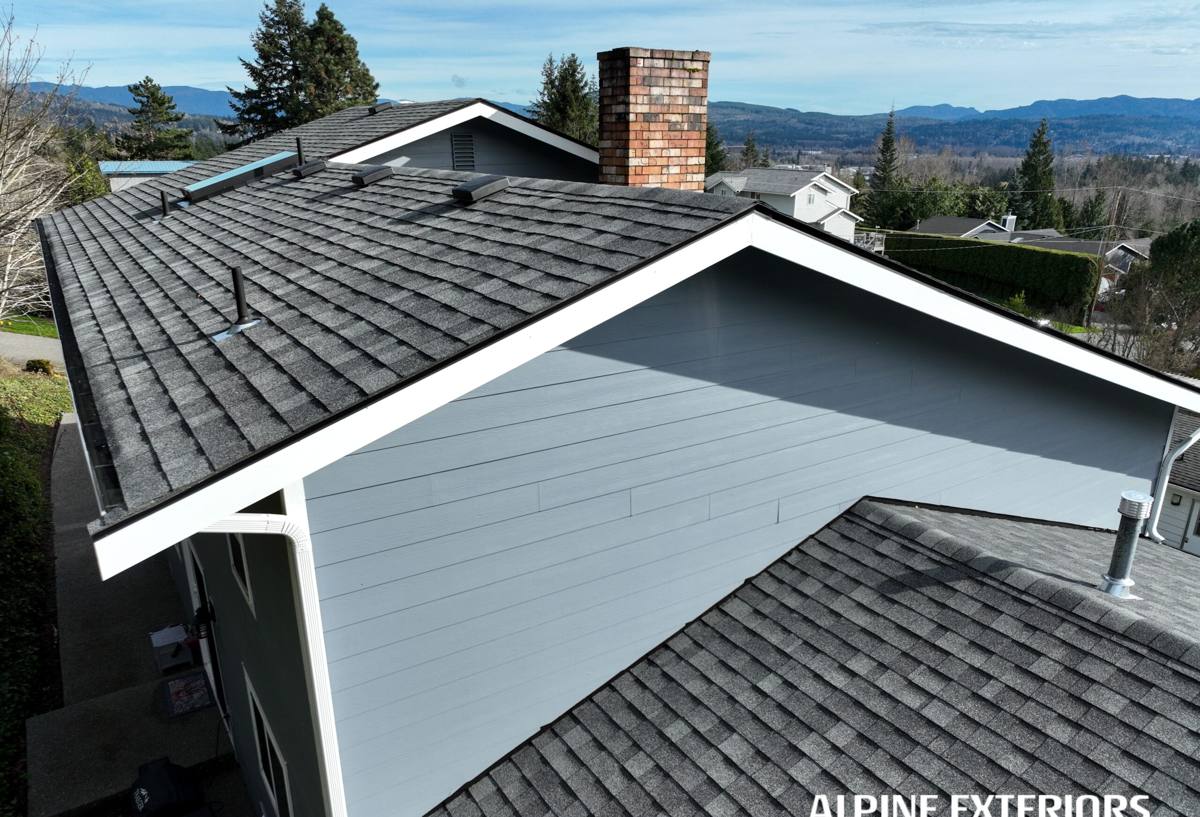
What Clearwater's Climate Does to a Roof Over Time
Pinellas County roofs don't get a break. Between hurricane season, near-constant UV exposure, and salt air drifting in off the Gulf, every roofing material here ages faster than the same material would inland or up north. Storm damage rarely happens to a roof in perfect condition — it happens to a roof that's already been softened up by:
- Hurricane-force and tropical-storm-force wind gusts that lift shingle tabs, crack tile, and pry at flashing and fascia edges
- Wind-driven rain that gets pushed sideways and upward under roof edges, ridge caps, and vent flashing instead of simply running downhill
- Intense, near-year-round UV exposure that dries out shingle asphalt and sealant strips, making materials brittle and more likely to crack or tear under wind load
- Salt air that accelerates corrosion on nails, flashing, vent boots, and any exposed metal fasteners
The result is that a storm doesn't need to be a named hurricane to cause real damage. A single strong afternoon storm can be enough to finish off flashing or shingles that salt air and UV had already been quietly weakening for years.
Common Storm Damage We See on Skycrest Roofs
Wind Uplift and Missing Shingles
Sustained wind and gusts get under shingle tabs and peel them back or off entirely. Sometimes it's obvious — bare patches of decking exposed. Other times it's subtler: shingles that look intact from the ground but have broken seals underneath, which means the next rain gets in.
Cracked or Slipped Tile
Tile roofs, common on many Skycrest homes, handle wind well when properly fastened but are vulnerable to impact and to wind that gets underneath a cracked or loose tile and works it further out of place. A few cracked or displaced tiles rarely show up as an active leak right away — but they will.
Flashing and Penetration Failures
Flashing around chimneys, skylights, plumbing vents, and roof-to-wall transitions is where most storm-related leaks actually start, regardless of the roofing material on top. Wind can loosen fasteners or bend flashing just enough to open a gap that wind-driven rain finds every time.
Soffit, Fascia, and Gutter Damage
High winds don't stop at the shingles. Soffit panels can be torn loose, fascia boards pulled away from the roofline, and gutters bent or ripped off their hangers. Left alone, this opens the roof edge and eaves to moisture and pests.
Decking Damage
When storm damage goes untreated — or when a leak has been active longer than the homeowner realized — the plywood or OSB decking underneath can absorb water, soften, and eventually rot. This is the damage that turns a repair into a bigger job if it's not caught early.
What a Correct Storm Damage Repair Actually Involves
A rushed repair patches the visible problem and leaves the underlying cause in place. A correct repair addresses the whole assembly — decking, underlayment, flashing, and the roofing material itself — so the same spot doesn't fail again in the next storm. That means:
- A full inspection of the damaged area and the surrounding roof, not just the spot the homeowner noticed
- Checking the decking underneath for soft spots, staining, or rot before any new material goes down
- Replacing or repairing underlayment where it's been compromised, not just laying new shingles or tile over damaged material
- Reworking flashing at penetrations and transitions rather than just resealing it
- Matching replacement shingles or tile as closely as possible to the existing roof in color, profile, and material
- Re-securing or replacing damaged soffit, fascia, and gutters as part of the same job, since they're part of how water gets managed off the roof
Skipping any of these steps is how a homeowner ends up paying for the same repair twice.
Our Storm Damage Repair Process
1. Emergency Mitigation
If your roof has an active leak or exposed decking, the first priority is stopping further water intrusion — typically with a tarp or temporary patch — before anything else happens. This step alone prevents a lot of secondary damage to insulation, drywall, and framing.
2. Full Inspection and Documentation
We inspect the roof thoroughly, photograph the damage, and put together clear documentation of what happened and what it will take to fix it. This documentation is also what your insurance adjuster needs to see.
3. Insurance Coordination
If you're filing a claim, we can walk you through what our inspection found and provide the documentation your insurer requires. We work for you, not the insurance company — our job is to make sure the damage is accurately represented.
4. The Repair
Once scope is agreed on, we do the actual repair: decking, underlayment, flashing, and roofing material, matched and installed to hold up against the next storm, not just look fine until the next one hits.
5. Cleanup and Final Walkthrough
We clear debris and old material from the property and walk the repair with you so you know exactly what was done.
Roofing Materials Common in Skycrest and How They Take Storm Damage
| Material | Typical Storm Vulnerability | Repair Considerations |
|---|---|---|
| Asphalt Shingle | Wind uplift, torn or missing tabs, broken seals | Generally the most straightforward to repair; matching older shingle color/style can be harder as roofs age |
| Concrete or Clay Tile | Cracking from impact, tiles working loose under wind, underlayment failure beneath intact-looking tile | Tile itself may look fine while the underlayment underneath has failed; sourcing matching tile profile matters |
| Metal Panel | Fastener loosening, seam and flashing issues at edges and penetrations | Panels themselves are durable, but fastener and flashing maintenance is critical after high wind events |
| Flat / Low-Slope (modified bitumen, etc.) | Membrane tearing, ponding at damaged seams, flashing separation at walls and edges | Common on additions and porches; leaks often show up well away from the actual damage point |
What Affects the Cost of a Storm Damage Repair
| Factor | Why It Matters |
|---|---|
| Extent of decking damage | Rotted or soaked decking has to be replaced before new roofing goes on, which adds material and labor |
| Roofing material | Tile and metal repairs typically involve more specialized labor and material sourcing than asphalt shingle |
| Age and condition of the existing roof | An older roof may need a larger repair area to properly tie new material into old, weathered material |
| Number and location of penetrations | More vents, skylights, and chimneys mean more flashing work |
| Soffit, fascia, and gutter damage | Often bundled with roof repair since it's part of the same water-management system |
| Insurance involvement | Claims require additional documentation time but can significantly offset homeowner cost |
We give straight, written estimates before work starts — no vague ranges, no surprise add-ons once we're already on the roof.
Why a Crew That Already Works in Skycrest Makes a Difference
Storm damage repair isn't just a technical skill — it's also a logistics problem, and local familiarity solves a lot of it. A crew that regularly works in Skycrest and the surrounding Clearwater neighborhoods already understands:
- The permitting process through the City of Clearwater and Pinellas County, so repairs get done to code without unnecessary delays
- The mix of roof ages and construction styles typical of the area, which speeds up accurate diagnosis
- How to source matching materials for older roofs common to established neighborhoods
- Realistic response times when a storm hits a wide area at once and everyone needs help simultaneously
After a significant storm, roofing crews get busy fast across all of Pinellas County. A contractor already working in your neighborhood is in a better position to get to your roof quickly, rather than one working from farther away and juggling a much wider service area.
After the Storm: A Homeowner Checklist
- Photograph any visible damage from the ground — do not get on the roof yourself
- Check attic spaces and ceilings for water stains, even if the roof looks fine from outside
- Note the date and approximate time of the storm for insurance purposes
- Cover any active leak with a tarp or bucket only if it can be done safely from inside
- Avoid signing anything or paying a large deposit to a contractor who shows up unsolicited after a storm
- Get a professional inspection before filing or finalizing an insurance claim
- Keep all documentation and photos together in one place for your records
Get a Local Inspection Before Small Damage Becomes a Bigger Problem
Storm damage that looks minor from the ground — a few lifted shingles, a cracked tile, a bent piece of flashing — is often the start of a leak that's already working its way into the decking. The sooner it's properly inspected and repaired, the less it costs to fix and the less risk there is to the rest of your home. If your Skycrest home has taken storm damage, or you're not sure whether it has, request a free, no-pressure estimate using the form below and we'll take a straightforward look at what's actually going on with your roof.