 Clearwater Window
 Siding Repair in Belleair: A Different Kind of Wear
Belleair sits close enough to the Gulf that its homes take a different kind of beating than siding a few miles inland. The salt content in the air corrodes fasteners and trim faster, the wind off the water carries grit that sandblasts finishes over time, and the same barrier-island humidity that makes the area pleasant to live in also means siding rarely gets a chance to fully dry out between rain events. Add in Pinellas County's exposure to hurricane-force wind gusts and wind-driven rain, and it's easy to see why siding here ages differently than siding in a drier, more sheltered climate.
Repair work on Belleair homes isn't just patching a hole. It's understanding why that section failed in the first place, whether the surrounding material is still sound, and whether a patch will actually hold up to the next storm season or just delay a bigger problem. That's the lens we bring to every repair estimate in this neighborhood.
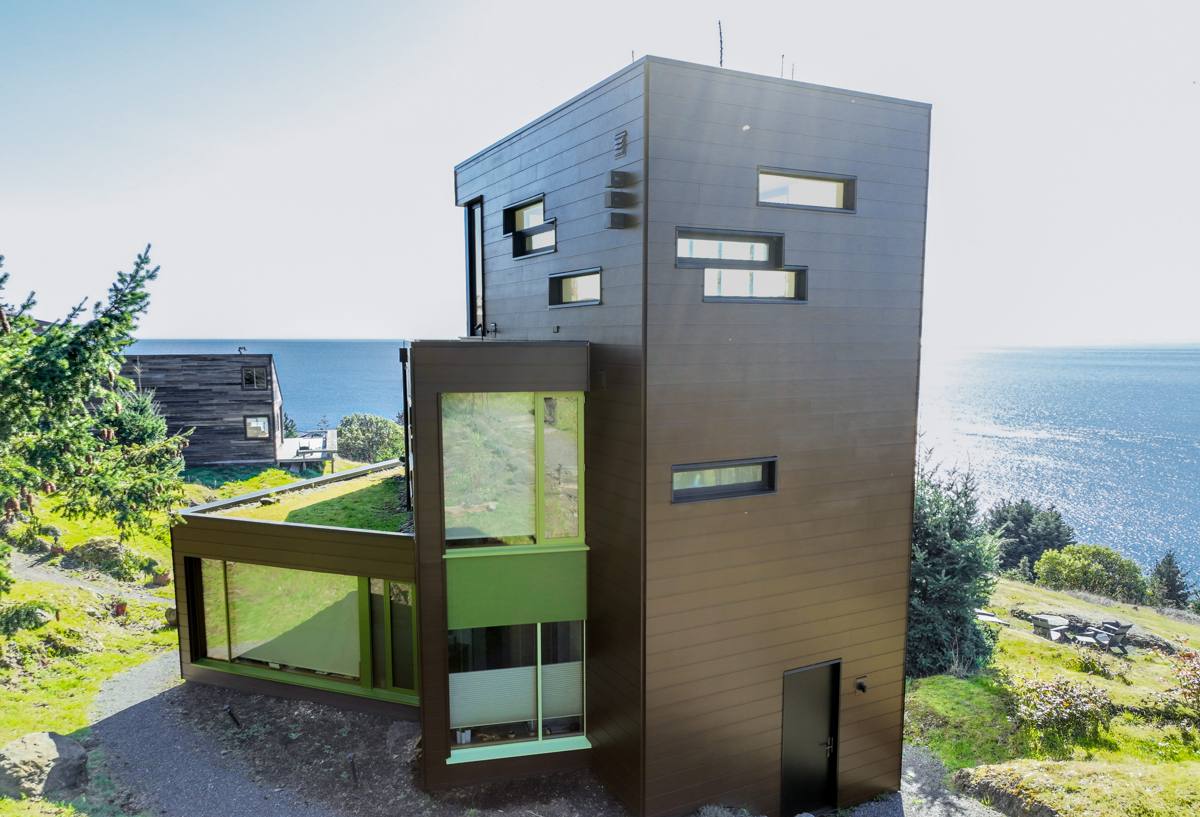
What Causes Siding Damage in Belleair Specifically
Wind and Storm Impact
Sustained coastal winds and tropical storm activity put direct pressure on siding panels, especially at corners and edges where wind uplift is strongest. Loose panels, cracked corner boards, and impact damage from wind-blown debris are common after any significant weather event.
Salt Air Corrosion
Salt in the air settles on siding, trim, and fasteners. Over years, it accelerates corrosion of exposed nails and screws, degrades caulking faster than it would inland, and can dull or chalk certain finishes well before their expected lifespan.
UV Exposure
Florida's near year-round sun breaks down paint film, causes fading, and dries out caulk and sealant joints. Siding that isn't engineered or finished for heavy UV exposure tends to show chalking, color fade, and joint failure earlier than manufacturers' marketing suggests.
Wind-Driven Rain and Moisture Intrusion
Rain in this area rarely falls straight down. Wind pushes it sideways into seams, laps, and penetrations that weren't designed to handle water moving in that direction. Once moisture gets behind siding, the damage often starts on the substrate long before it's visible on the surface.
Signs Your Belleair Home Needs Siding Repair
- Visible cracks, splits, or holes in siding panels, especially after storm season
- Soft or spongy spots when pressed, which usually means moisture has reached the substrate
- Bubbling, peeling, or chalking paint that keeps returning even after touch-ups
- Gaps opening up at corner boards, trim, or where siding meets windows and doors
- Rust streaking from fasteners, a common sign of salt-air corrosion
- Visible warping, buckling, or panels that no longer sit flush against the wall
- Musty odors or discoloration on interior walls that back up to exterior siding
Any one of these on its own might be a simple fix. Several appearing together, especially after a named storm or a rough wind season, usually means it's time for a full inspection rather than a spot repair.
What a Correct Siding Repair Actually Involves
A repair that's done right starts before anyone touches a siding panel. It starts with figuring out why the damage happened, because patching over a symptom without addressing the cause just means paying for the same repair again in a year or two.
1. Diagnosing the Root Cause
We look past the visible damage to check flashing, house wrap, caulking, and the condition of the sheathing underneath. In coastal areas like Belleair, we pay particular attention to fastener corrosion and any signs that wind-driven rain has been finding its way behind the siding at seams or penetrations.
2. Checking for Hidden Moisture Damage
Surface damage is often smaller than what's happening behind it. If water has been getting behind panels, the underlying sheathing or framing may already be compromised, which changes the scope of the repair from cosmetic to structural.
3. Matching Materials and Profiles
Repairs should match the existing siding's profile, reveal, and finish as closely as possible. A patch that doesn't match reads as a patch forever, and mismatched materials can also behave differently in moisture and heat, creating new stress points.
4. Sealing and Flashing Correctly
This is where a lot of repairs fail. Caulk is not a substitute for proper flashing and correct overlaps. A repair that relies on sealant alone to keep water out is a repair that will need to be redone.
5. Finish and Color Integration
Where the material allows for it, matching factory-applied finishes gives a far more durable and consistent result than field-applied paint, which weathers unevenly against a factory finish over time.
Repair or Replace? How We Make That Call
Not every damaged section needs a full siding replacement, but not every damaged section should be patched either. The right call depends on the material, the extent of the damage, and how much of the wall assembly underneath has been affected.
| Situation | Usually Repairable | Usually Needs Replacement |
|---|---|---|
| Isolated impact damage, sound surrounding material | Yes | |
| Moisture damage confined to one or two panels | Yes, with sheathing check | |
| Widespread cracking, warping, or fastener failure | Yes | |
| Rot or damage found in underlying sheathing across multiple areas | Yes | |
| Siding original material is discontinued or no longer matches | Sometimes, with limits | Often, for consistent appearance |
| Repeated repairs to the same section within a few years | Yes, indicates a systemic issue |
We'll always tell you honestly which category your home falls into. A contractor who recommends full replacement for every service call isn't doing you any favors, and neither is one who patches over damage that's clearly going to come back.
Our Siding Repair Process
- On-site inspection — we assess the damaged area and check adjacent sections, flashing, and penetrations for related issues.
- Honest assessment — we explain what we found, what's causing it, and whether repair or replacement is the right fit, in plain language.
- Written estimate — a clear scope of work with no pressure to upsell into a bigger project than the home needs.
- Removal of damaged material — carefully removed to avoid disturbing sound siding around it.
- Substrate check and correction — any moisture-damaged sheathing, flashing, or house wrap is addressed before new material goes on.
- Installation to spec — correct fastening, overlaps, and sealing, matched to the existing siding's profile and finish where possible.
- Final walk-through — we confirm the repair looks right and holds up to a close inspection before we call the job done.
Why the Repair Material Matters
When a repair calls for replacing a section of siding rather than just refastening or resealing existing material, what goes back on the wall matters as much as the workmanship. This is where our standard as a company shapes the repair work we do: we install James Hardie fiber cement siding, and we don't install vinyl, LP SmartSide, or other engineered wood and composite products.
That standard exists because of what this climate does to siding over time. Fiber cement doesn't absorb moisture and swell the way engineered wood products can, it won't soften or delaminate the way some composite products do under sustained humidity, and it's non-combustible, which matters in Florida's dry-season brush fire risk as much as its wet-season storms. James Hardie's ColorPlus factory finish is also formulated to resist the fading and chalking that intense, near year-round Florida UV causes in field-applied paint. For a home where we're patching in new material next to older siding, that finish consistency is the difference between a repair that blends in and one that stands out as a patch for the life of the house.
If your existing siding is a different material and repairable, we'll repair it honestly and correctly. If a section needs to be replaced outright, or if recurring damage points to a material that's reached the end of what it can handle in this climate, we'll tell you that too, and explain why fiber cement is what we'd put there instead.
Why Hire a Crew That Already Works in Belleair
Siding repair looks different depending on where you are in Pinellas County. A crew that mostly works inland neighborhoods may not think twice about fastener corrosion, salt-air finish breakdown, or how far wind-driven rain can travel under a lap during a coastal storm. A crew that regularly works in and around Belleair already accounts for those conditions before the first panel comes off the wall.
That local familiarity also means a more accurate estimate. We're not guessing at how a coastal property behaves over a five- or ten-year span, because we've seen how siding here actually ages, not just how a manufacturer's brochure says it should.
A Quick Checklist Before You Call for Siding Repair
- Note when the damage first appeared, or whether it followed a specific storm
- Take photos of the damaged area and surrounding sections, if it's safe to do so
- Check for any soft spots, discoloration, or odors on the interior wall behind the damage
- Look for similar smaller issues elsewhere on the home, not just the obvious spot
- Avoid caulking over damage yourself before an inspection, since it can hide the real extent of a problem
- Ask any contractor you're considering whether they'll check the substrate, not just the visible siding
Get an Honest Look at Your Siding
If your Belleair home has storm damage, salt-air wear, or siding that just isn't holding up the way it should, we're happy to take a look and give you a straight answer on what it needs. There's no pressure and no obligation, just a clear assessment from a crew that knows what this climate does to siding. Fill out the form below to schedule a free estimate.