 Clearwater Window
 Roofing Built for Belleair's Coastal Exposure
Belleair sits on the narrow strip of land between Clearwater Harbor and the Gulf of Mexico, which means almost every home here takes a more direct hit from coastal weather than homes further inland. A roof in this part of Pinellas County isn't just shedding rain — it's absorbing tropical-storm and hurricane-force wind loads, standing up to some of the most intense UV exposure in the country, fighting wind-driven rain that gets pushed sideways under poorly sealed edges, and slowly corroding under a constant layer of salt air. Any one of those on its own will shorten a roof's life. Together, they're why a roof that might last 25-30 years in a drier, calmer climate often needs replacing sooner here, and why a "good enough" installation rarely stays good enough for long.
A new roof installation in Belleair has to be specified and installed with all four of those stresses in mind at once, not just built to code and called done.
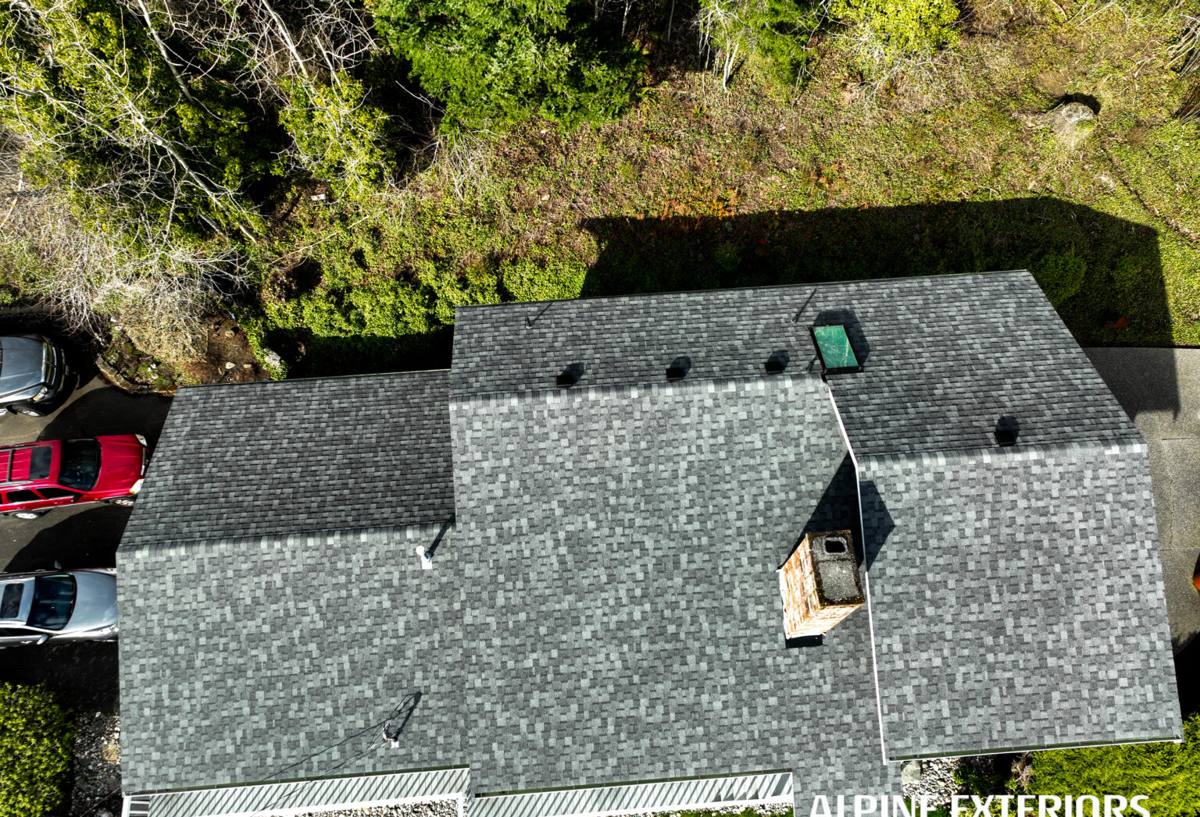
Signs a Belleair Home Needs a New Roof, Not Another Repair
Homeowners often ask whether a problem area can just be patched. Sometimes it can. But certain signs point to a roof that's past the point where repairs make financial sense:
- Granule loss heavy enough that you can see bare, shiny patches on shingles or find granules collecting in gutters
- Shingles that are curling, cupping, or cracking, especially on the south and west-facing slopes that take the most sun
- More than one layer of roofing material already on the deck (common on older homes that were re-roofed over an existing layer)
- Soft spots, sagging, or visible deflection when walking the roof, which usually means the decking underneath has taken on moisture
- Leaks that keep returning in different spots after repairs, rather than one isolated failure
- A roof older than 18-20 years for asphalt shingle, even if it "looks fine" from the ground
- An insurance carrier flagging the roof's age at renewal or requesting a wind mitigation or four-point inspection
If two or more of these apply, a full replacement is usually the more honest answer than another round of patchwork.
What a Correct New Roof Installation Actually Involves
Full Tear-Off and Deck Inspection
We don't install over existing layers. A full tear-off is the only way to actually see the deck — the plywood or OSB sheathing the whole system is fastened to. Coastal humidity and past leaks can rot or delaminate sections of decking that look fine from above but won't hold a nail properly. Any soft, water-damaged, or delaminated sheathing gets cut out and replaced before anything new goes down.
Underlayment and Secondary Water Barrier
This layer matters more here than almost anywhere else in the country, because it's the backup system that protects your home if wind-driven rain gets past the primary roof covering during a storm. A synthetic or self-adhering underlayment, installed with the correct overlap and fastening pattern, is what keeps a damaged shingle or a lifted tile from turning into an interior leak.
Flashing at Every Penetration and Transition
Chimneys, vent stacks, skylights, wall-to-roof transitions, and valleys are where roofs actually fail — far more often than the open field of the roof itself. Correct step flashing, counterflashing, and sealed penetrations aren't optional details; they're where the majority of leaks originate when they're skipped or done wrong.
Ventilation That Matches the Assembly
Intake and exhaust ventilation need to be balanced so heat and moisture can actually move out of the attic. Get this wrong in a hot, humid coastal climate and you shorten the life of the new roof from the underside, regardless of how good the shingles or tile are.
Choosing a Roofing Material for a Belleair Home
There's no single "best" material — the right choice depends on your home's structure, your budget, and how much long-term maintenance you want to take on. Here's how the common options compare for this specific climate:
| Material | Wind Performance | Salt Air / UV Durability | Maintenance |
|---|---|---|---|
| Architectural asphalt shingle | Good, when rated and installed correctly for high-wind zones | Moderate; UV and heat gradually reduce granule life | Low to moderate |
| Standing seam metal | Excellent uplift resistance with proper fastening | Very good with coastal-rated coatings and fasteners | Low |
| Concrete or clay tile | Very good when fastened per current wind requirements | Excellent material durability, but underlayment beneath it is the real lifespan-limiter | Moderate (broken tiles, underlayment replacement over time) |
Many Belleair homes were originally built with tile or barrel-tile roofs, which is worth keeping in mind for architectural consistency, but it isn't a requirement — plenty of homes in the area have transitioned to architectural shingle or metal for cost or maintenance reasons. We'll walk through the honest trade-offs for your specific roof rather than push one material across the board.
Wind Resistance and Florida Building Code Compliance
Pinellas County enforces Florida Building Code wind provisions that require permitted roofing work to meet specific uplift resistance, fastening patterns, and sealed-roof-deck standards for this coastal wind zone. That means the nailing schedule, fastener type and spacing, and underlayment attachment method all have to match your home's exposure category and roof geometry — not just whatever's fastest to install. It also means the work has to be permitted and inspected, not done off the books. A roof that isn't installed to current code isn't just a compliance issue; it's the difference between shingles or tiles that stay attached in a serious wind event and ones that don't.
Our New Roof Installation Process
- On-site inspection and estimate — we walk the roof, check the attic and decking where accessible, and give you a straightforward assessment of what's actually needed.
- Material selection — we go over the honest pros and cons for your home, budget, and how long you plan to stay in it.
- Permitting — we pull the required permit and coordinate any inspections with the local building department before work starts.
- Tear-off and deck repair — old material comes off completely, and any compromised decking is replaced.
- Underlayment, flashing, and installation — the new system goes down in the correct order, with attention to every penetration and transition.
- Final inspection and cleanup — the job passes required inspections, the property is cleaned of debris and nails, and we walk it with you.
- Warranty documentation — you get paperwork for both the manufacturer's material warranty and our workmanship coverage.
What a New Roof Costs in Belleair: The Factors That Move the Number
We don't publish flat prices because two roofs of the same square footage can cost very differently depending on complexity. These are the factors that actually drive the estimate:
| Factor | Why It Matters | Typical Cost Impact |
|---|---|---|
| Roof size and number of stories | More material and steeper access requirements | Medium-High |
| Roof pitch and complexity | Valleys, dormers, and multiple planes take more labor and flashing | Medium-High |
| Material choice | Shingle, metal, and tile have very different material and labor costs | High |
| Decking condition | Rotted or delaminated sheathing needs replacement before install | Variable |
| Layers of existing roofing to remove | More tear-off labor and disposal | Low-Medium |
| Ventilation and code upgrades needed | Bringing an older roof assembly up to current standards | Low-Medium |
Most full roof replacements land somewhere in a broad range that a proper on-site inspection can narrow down quickly — we'd rather give you an accurate number after seeing the roof than a guess over the phone.
Why Local Experience in Belleair Matters
A crew that already works in this specific area brings more than convenience. It means we're familiar with the Pinellas County permitting and inspection process and don't lose time on avoidable back-and-forth. It means we understand the mix of older, established homes and newer construction found around Belleair, and we know to check for the deck framing and fastening quirks that come with different build eras. Some properties in the area are part of communities with architectural review or design guidelines, and knowing to check for that upfront avoids delays mid-project. And because we're regularly working roofs exposed to the same harbor and Gulf-adjacent salt air, we default to corrosion-resistant fasteners and flashing rather than treating it as an upgrade — because in this location, it isn't optional, it's standard practice.
Protecting Your New Roof After Installation
A correct installation gets you most of the way to a long-lasting roof. What happens afterward matters too. A simple maintenance routine goes a long way in this climate:
- Keep gutters and downspouts clear so water isn't backing up under the roof edge
- Have the roof visually checked after any major storm, even if you don't see obvious damage from the ground
- Trim back overhanging branches that drop debris or hold moisture against the roof surface
- Watch for interior signs — ceiling stains, musty smells in the attic — and address them early rather than waiting
- Schedule a periodic inspection every couple of years, particularly as the roof approaches the midpoint of its expected life
- Keep your wind mitigation and roof documentation on file; it's useful for both maintenance history and insurance renewals
If you're weighing a repair against a full replacement, or you just want an honest read on where your roof stands, we're happy to take a look. Fill out the form below for a free, no-pressure estimate on new roof installation for your Belleair home.