 Clearwater Window
 Why Belleair Decks Wear Out Faster Than the Manuals Suggest
Belleair sits close to open water in Pinellas County, which means homes here deal with a harsher mix of conditions than a deck fifty miles inland ever sees. Hurricane-force wind events aren't rare, year-round UV exposure is intense even in winter months, wind-driven rain gets pushed sideways into ledger boards and railing joints, and salt-laden air corrodes fasteners and hardware from the inside out, long before the surface boards show obvious damage. A deck built to a generic national spec, rather than to what a coastal Clearwater property actually experiences, tends to disappoint an owner years before it should.
That's the core problem with a lot of aging decks we see in this area: they were built correctly for somewhere else. The lumber, the fastener grade, the flashing details, and the footing depth all matter more here than they would in a drier, calmer climate.
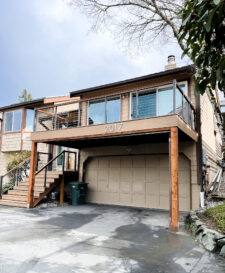
Signs a Belleair Deck Needs Replacement, Not Another Repair
Repair makes sense when the damage is isolated. Replacement makes sense when the problems are systemic. A few signs point toward the latter:
- Soft or spongy spots in multiple areas of the decking, not just one board
- Rust streaking or corrosion around fastener heads and post bases
- Visible gaps, sag, or bounce where the deck meets the house (ledger board area)
- Cracked or split support posts, especially near ground contact
- Railings that flex or wiggle under light hand pressure
- A structure that's more than 15-20 years old and has never had the framing inspected, only the surface boards replaced
That last point trips a lot of homeowners up. Replacing worn decking boards on top of a compromised frame just hides the real issue for another season or two. If the substructure has been quietly weakening from moisture and salt exposure, new boards on top won't fix it.
Why Surface-Only Fixes Fall Short Here
In a coastal Pinellas County environment, the framing underneath is usually the first thing to fail, not the decking surface. Wind-driven rain works its way under boards and around ledger connections, and once moisture gets trapped against joists or beams, rot and corrosion progress out of sight. A deck can look presentable from a few feet away while the structure underneath has already lost real strength. A proper replacement addresses the frame first, then the surface.
What a Correct Deck Replacement Actually Involves
A full replacement isn't just tearing off old boards and screwing down new ones. Done right, it includes:
- Removal of the old decking, railing, and any framing members that don't meet current standards
- Inspection of the house connection point and repair or replacement of the ledger board and flashing
- New or reinforced footings sized for the actual load and soil conditions on the property
- Joists and beams spaced and sized to current Florida Building Code requirements, not whatever was standard decades ago
- Corrosion-resistant fasteners and structural connectors rated for coastal exposure
- Proper flashing and water management at every point where the deck meets the house
- Decking material and railing installed to the manufacturer's coastal or high-wind specifications
Skipping any one of these steps is how a deck ends up needing major work again in under a decade instead of lasting the two or three decades it should.
Material Options for Coastal Pinellas County Decks
Material choice matters more here than in most parts of the country, because UV intensity and salt air both accelerate wear. There's no single "best" material for every home — it depends on maintenance appetite, budget, and how close the deck sits to open water or wind exposure.
| Material | Coastal Durability | Maintenance | Typical Trade-Offs |
|---|---|---|---|
| Pressure-treated wood | Moderate — needs consistent upkeep | Annual sealing/staining recommended | Lowest upfront cost, shortest lifespan without maintenance discipline |
| Composite decking | Good to very good | Low — periodic washing | Higher upfront cost, board can retain surface heat in full sun |
| PVC/capped polymer decking | Very good | Low | Highest material cost, but strong resistance to moisture and UV fading |
| Tropical hardwoods | Good if properly maintained | Moderate to high — periodic oiling | Attractive appearance, but maintenance lapses show quickly in this climate |
We install a range of these products and will walk through the honest trade-offs for your specific situation rather than pushing whatever has the best margin. If a product has a maintenance burden or installation sensitivity that doesn't fit how you actually plan to use and care for the deck, we'll say so up front.
Our Process for a Belleair Deck Replacement
The process is straightforward, and we keep it that way on purpose:
- On-site assessment. We look at the existing structure, the ledger connection, footing condition, and exposure to sun, wind, and water on your specific lot.
- Written scope and estimate. You get a clear breakdown of what's being replaced, what material is recommended and why, and what it costs — no vague allowances.
- Permitting. Deck replacements in Clearwater and unincorporated Pinellas County typically require a building permit. We handle the paperwork and inspections.
- Demolition and disposal. Old material is removed and hauled off; we protect landscaping and adjacent surfaces during teardown.
- Structural rebuild. Footings, framing, and ledger work come first and get inspected before decking goes down.
- Decking, railing, and finish work. Installed to the manufacturer's specifications for wind and coastal exposure.
- Final walkthrough. We go over the finished deck with you before calling the job complete.
Permits, Codes, and What They Mean for Your Project
Florida's building code sets structural and wind-load requirements that are stricter than most of the country, and Pinellas County enforces them closely on residential deck work. For a property in Belleair, that generally means engineered footing sizing, code-compliant railing height and baluster spacing, and connection hardware rated for the wind exposure category of the area. Skipping permits might save a little time up front, but it creates real problems at resale — unpermitted structural work is a common flag during home inspections and can hold up a sale. We pull permits as a standard part of every replacement, not an upsell.
Why a Crew That Already Works in Belleair Matters
Deck work in this area isn't identical to deck work fifty miles inland, and a crew that's unfamiliar with local conditions can miss things that matter. Working regularly in and around Belleair and greater Clearwater means:
- Familiarity with the local permitting and inspection process, so there are fewer delays
- An understanding of how wind exposure and salt air actually affect fastener and framing choices in this specific area, not just generic code minimums
- The ability to respond quickly if a follow-up question or punch-list item comes up after the job, instead of being hours away
- Familiarity with the range of home styles in the area, from older established properties to newer waterfront-adjacent construction
A deck is a structural investment as much as a cosmetic one. Hiring a crew that treats it that way, and that's still nearby if a question comes up down the road, matters more here than it does in a milder climate.
Keeping a New Deck in Good Shape
Even a well-built deck needs some ongoing attention in this climate. A simple seasonal checklist goes a long way:
- Rinse salt residue and debris off the surface periodically, especially after storms
- Check fasteners and railing connections annually for corrosion or loosening
- Reseal or restain wood decking on the schedule the product actually requires, not just when it looks faded
- Keep gutters and downspouts clear so water isn't dumping directly onto or under the deck
- Inspect the ledger board area yearly for signs of moisture intrusion at the house connection
- Trim back vegetation that traps moisture against framing or decking
What Affects the Cost of a Deck Replacement
Every project is different, but the main cost drivers are consistent: overall deck size and shape, how much of the existing structure needs to be replaced versus reused, the decking and railing material selected, height and stair configuration, and any site access challenges. A straightforward wood-decked replacement on an accessible, simple footprint will cost less than a large multi-level composite or PVC deck with custom railing. We'll walk through these factors specifically for your property so the estimate reflects your actual project, not a generic average.
If your deck is showing its age or you're not sure whether it needs repair or full replacement, we're happy to take a look and give you an honest read. Fill out the form below for a free, no-pressure estimate — there's no obligation, just a clear picture of what your Belleair home actually needs.