 Clearwater Window
 Why Storm Damage Hits Belleair Roofs Differently
Belleair sits on the coast in Pinellas County, close enough to open water that every roof in town takes a harder hit than one twenty miles inland. Hurricane-force wind gusts test every nail, seam, and flashing detail a roof has. Wind-driven rain finds the smallest gap and pushes water sideways and upward, under shingles and around vents, instead of simply running off downhill the way roofing systems are designed to shed it. Add in Florida's intense, near-constant UV exposure baking the same surfaces year-round, and salt air slowly working on metal fasteners, flashing, and vent caps, and you have a roof that ages on a different timeline than one in a milder climate. None of that means every Belleair roof is fragile — most hold up fine for years. It means that when a storm does cause damage, the repair has to account for a roofing system that was already under more stress than average before the storm ever arrived.
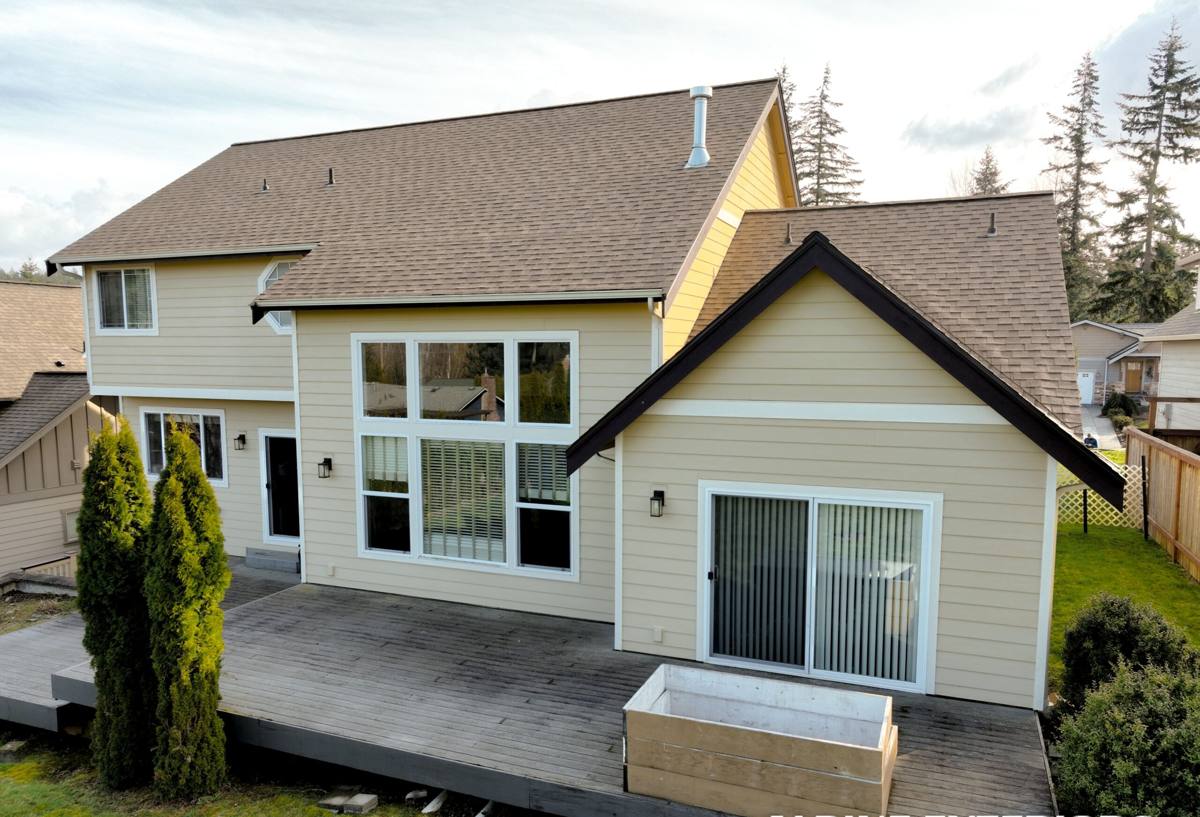
What Storm Damage Actually Looks Like on a Belleair Roof
Damage you can usually spot from the ground
- Shingles that are missing, curled up at the edges, or visibly out of alignment with the surrounding field
- Bare, gray-looking patches where granules have been stripped away, exposing the asphalt mat underneath
- Bent, dented, or lifted flashing around chimneys, skylights, or roof-to-wall transitions
- Sagging or separated gutters and downspouts, especially after high wind
- Debris — small branches, palm fronds, roofing granules — collecting in valleys or along the roof edge
Damage that doesn't show until it's already a bigger problem
The damage that costs homeowners the most is usually the kind nobody sees right away. Wind can loosen a shingle's seal without tearing it off completely, leaving a weak point that only fails during the next rain event. Wind-driven rain can work its way under a single lifted shingle or a compromised piece of flashing and travel along the underlayment or decking for feet before it ever shows up as a stain on a ceiling. Hail and wind-blown debris can bruise shingles in a way that isn't obvious from the ground but weakens the material's ability to shed water going forward. This is why a storm damage inspection needs to be a hands-on roof walk, not a drive-by look from the street.
What a Correct Storm Repair Actually Involves
A storm repair done right is more than nailing down whatever blew loose. It starts with figuring out the full extent of the damage, not just the part that's visible, and it ends with the roof being restored to a condition that performs the way it did — or better than it did — before the storm.
Matching materials, not just patching
Whenever possible, replacement shingles or roofing material should match the existing roof in type, profile, and color so the repair doesn't stand out or create a mismatched wear pattern down the road. On older roofs, an exact match isn't always available, and that's a conversation we have honestly with the homeowner up front rather than after the work is done.
Flashing, fastening, and underlayment done to code
Most storm-damage failures trace back to flashing and fastening details, not the field shingles themselves. A correct repair reseats or replaces damaged flashing around penetrations and roof-to-wall junctions, confirms fastening meets current Florida Building Code requirements for the wind exposure this area falls under, and checks that underlayment in the repaired section is intact and properly lapped. Pinellas County is within Florida's wind-borne debris region, which means code expectations for roofing systems here are already stricter than in many inland parts of the state — a repair that ignores that is a repair that's likely to fail again in the next event.
Repair or Replace? What Actually Drives That Decision
Not every storm-damaged roof needs full replacement, and not every roof that looks rough from the ground is actually a repair candidate. The right call depends on a handful of factors we walk through with every homeowner before recommending either path.
| Factor | Leans toward repair | Leans toward replacement |
|---|---|---|
| Extent of damage | Isolated to one slope or section | Spread across multiple slopes or the whole roof |
| Age of existing roof | Roof is relatively young, still has useful life left | Roof was already near the end of its expected service life |
| Underlying decking condition | Decking is sound once exposed | Decking shows rot, soft spots, or prior water damage |
| Material availability | Matching material is still available | Original material is discontinued or badly weathered by comparison |
| Storm damage history | First significant damage event | Repeated storm damage over recent years |
We give a straight answer based on what we actually find on the roof — not the answer that's easiest to sell. Sometimes that means telling a homeowner a repair will hold up fine for years; sometimes it means being honest that patching a roof near the end of its life is just delaying a bigger expense.
Our Process, Start to Finish
- Inspection. A physical roof walk, not just a ground-level look, checking the damaged area and the rest of the roof for related issues.
- Documentation. Photos and written notes of the damage, useful for both our own scope-of-work and for insurance purposes if the homeowner is filing a claim.
- Temporary protection. If the roof has active leaks or exposed decking, we get it weathertight first, before anything else, to stop ongoing water intrusion.
- Scope and estimate. A clear, written explanation of what needs to be done, why, and what it will cost — repair or replacement, with the reasoning behind the recommendation.
- Permitting. Roofing work in Belleair and the surrounding Pinellas County area requires permits; we handle that process rather than leaving it to the homeowner.
- The repair itself. Removal of damaged material, inspection and repair of decking and underlayment as needed, installation of matching materials, and correct flashing and fastening throughout.
- Final walkthrough. We go over the completed work with the homeowner before calling the job done.
Insurance Documentation: What We Do and Don't Promise
If a homeowner is filing an insurance claim for storm damage, we provide thorough photo documentation and a clear, itemized description of the damage and the repair scope. That kind of documentation matters — adjusters work from what they can see and what's written down. What we don't do is promise a claim outcome. Coverage decisions belong to the insurance company, and any contractor who guarantees a specific payout before an adjuster has even looked at the roof isn't being straight with you. Our job is to give you an accurate, well-documented picture of the damage and a sound repair; what the carrier does with that is between the homeowner and the insurer.
Why a Crew That Already Works Belleair Matters
A roofer who works this part of Pinellas County regularly knows the permitting process for the area, understands how the local wind and salt exposure actually affect roofing materials over time, and isn't learning the neighborhood on your dime. After a storm moves through, response time matters too — a crew that's already local can typically get to a tarp-and-assess visit faster than one dispatching from across the region, which matters when a compromised roof is sitting under Florida's next round of rain. Familiarity with the area also means fewer surprises: knowing what typical roof ages and construction look like on homes in and around Belleair helps us size up a repair accurately on the first visit instead of the third.
After the Storm Passes: A Quick Homeowner Checklist
- Walk the yard and check for shingles, granules, or flashing pieces on the ground
- Look inside the attic (if accessible) for daylight, staining, or damp insulation
- Check ceilings and upper walls for new water stains, even faint ones
- Note any sagging gutters, loose downspouts, or debris packed into roof valleys
- Avoid climbing onto the roof yourself — leave the close inspection to a professional
- Call for an inspection promptly; a small, sealed issue is far cheaper to fix than one that's had weeks of rain working on it
Keeping a Repaired Roof Sound Between Storms
A good storm repair isn't the end of the story in a climate like this one. Salt air continues to work on exposed metal fasteners and flashing long after the repair is finished, and Florida's UV load keeps breaking down asphalt shingles year-round, not just during storm season. Periodic visual checks — especially after any significant wind event, not only named storms — and keeping gutters and valleys clear of debris go a long way toward getting full service life out of both the original roof and the repaired section. If something looks off, it's worth a call before it becomes a bigger repair.
If you're dealing with storm damage on a Belleair roof, we're glad to take a look and give you a straight, no-pressure assessment of what's actually going on and what it will take to fix it right. Fill out the form below for a free estimate.