 Clearwater Window
 Building New in Belleair: What the Windows Have to Handle
Belleair sits inside one of the more demanding window environments in Pinellas County. New-construction homes here go up close to open water, which means the window package has to be right the first time — there's no "swap it out later" once stucco, trim, and interior finishes are closed in around the frame. If you're framing a new home or a major addition in Belleair, the windows aren't just an aesthetic choice. They're a structural component that has to pass inspection, hold up to storms, and keep performing for decades without turning into a maintenance headache.
The regional climate is the reason the bar is high. Hurricane-force winds test the frame and the anchoring into the rough opening. Sun exposure that runs nearly year-round breaks down seals, gaskets, and low-grade vinyl faster than homeowners expect. Wind-driven rain during summer storms finds any gap in flashing or sealant and turns it into an active leak. And salt air off the nearby water accelerates corrosion on hardware, screws, and fasteners that weren't specified for a coastal install. None of these are hypothetical — they're the standard operating conditions for any home going up in this part of Clearwater and the surrounding barrier and near-coastal communities, Belleair included.
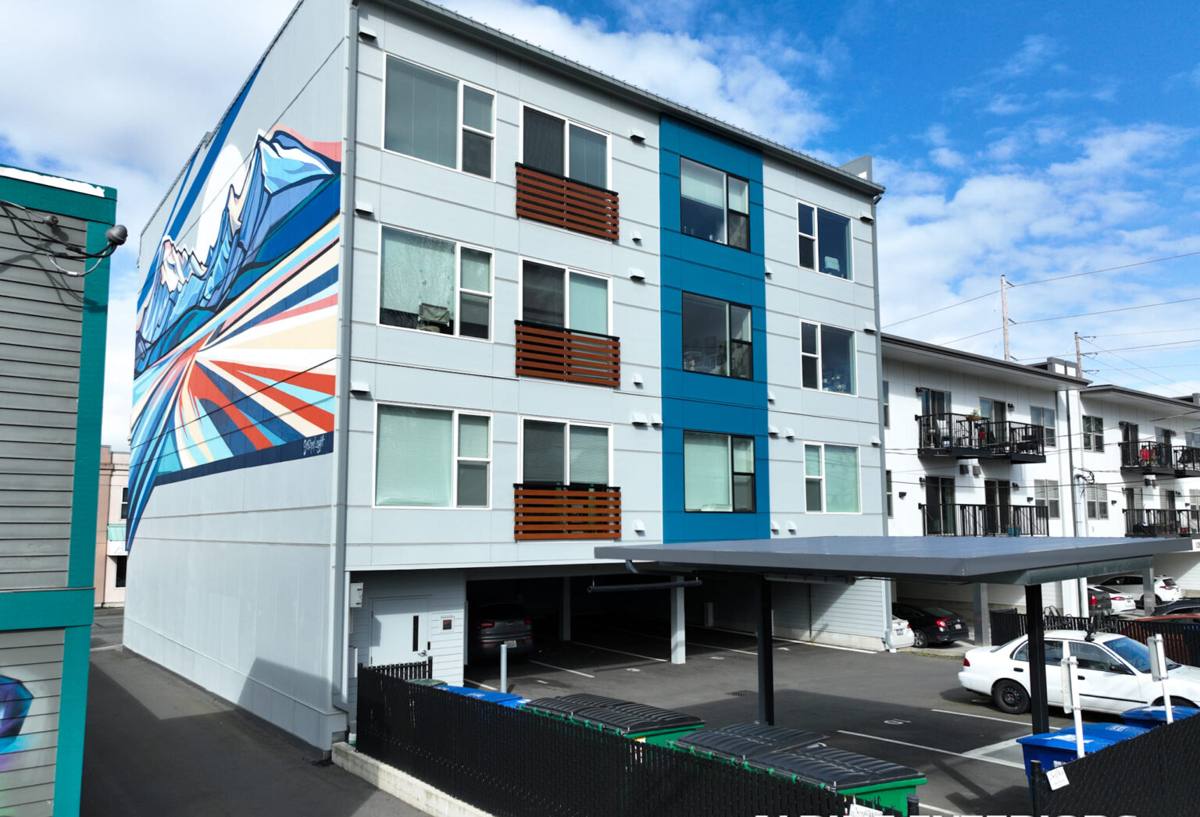
New-Construction vs. Replacement: Why the Installation Method Matters
New-construction windows are installed differently than replacement windows, and the difference matters a lot in a wind-driven-rain climate. On a replacement job, the window goes into an existing, finished opening — the installer works around what's already there. On a new build, we're setting the window into a rough opening before stucco, siding, or exterior finish goes on, which means the window's flange or frame becomes part of the wall's water management system, not just something bolted into a hole.
That's actually the advantage of doing it right during new construction: we control the flashing sequence, the water-resistive barrier integration, and the sealant joints from scratch, instead of inheriting whatever was done years earlier by someone else. Get that sequence wrong, though, and the mistake gets sealed inside the wall assembly for the life of the house. That's why the installation method and sequencing matter as much as the window product itself.
What a Correct New-Construction Install Actually Involves
Rough Openings, Flashing, and the Water Barrier
Most homes in this area are concrete block construction with a stucco finish, which means windows are typically set into a block or "Florida frame" opening rather than a wood-framed nail-fin opening. Either way, the same principles apply:
- Rough openings are checked for square, level, and correct dimension before the window ever gets set — not adjusted after the fact.
- Flashing at the sill, jambs, and head is layered so water is always directed out, never trapped behind the window.
- The water-resistive barrier (house wrap or equivalent under stucco) is integrated with the window flashing, not just taped over it.
- Sealant joints are backed correctly and use products rated for sustained UV and salt-air exposure, not general-purpose caulk.
- Fasteners and anchors are specified for the substrate (block, wood buck, or metal buck) and rated to the required pull-out strength — not just "long enough to hold."
This is the part of the job nobody sees once the stucco goes on, which is exactly why it has to be done correctly the first time.
Impact Glass, Design Pressure, and Florida Product Approval
New-construction windows near the coast in Pinellas County are typically required to meet Florida Building Code wind-borne debris protection — either impact-rated glazing or an approved shutter/protection system, depending on the lot's location and the local wind-borne debris zone. Impact-rated windows use laminated glass with an interlayer that holds together under impact rather than shattering, and the entire assembly — frame, glass, and anchoring — is tested and rated together.
Every window installed on a permitted new build needs a Florida Product Approval or Miami-Dade Notice of Acceptance number and a Design Pressure (DP) rating appropriate to the home's height, exposure category, and location. This isn't paperwork for its own sake — it's what confirms the window was actually engineered to hold up under the wind loads Belleair sees, and it's what the building inspector will be checking against the plans.
Factors That Shape Your Belleair Window Order
No two lots in Belleair have identical requirements. Before we finalize a window order for a new build, we walk through the specifics that actually change the spec:
| Factor | Why It Matters Here | What We Check |
|---|---|---|
| Distance to open water | Higher wind exposure and heavier salt-air corrosion closer to the water | Exposure category, hardware and fastener grade |
| Building height and elevation | Wind pressures increase with height and open exposure | Design Pressure rating required for each opening |
| Wall assembly type | Block/stucco vs. wood-frame changes anchoring and flashing method | Buck type, fastener spec, flashing sequence |
| HOA or architectural review | Some Belleair neighborhoods have exterior appearance standards | Frame color, grid pattern, glass tint options |
| Builder's construction schedule | Windows have to land at the right point in the framing/stucco sequence | Lead time, delivery coordination with the GC |
Working Inside Your Builder's Schedule
On a new-construction project, windows aren't installed in isolation — they have to land at a specific point in the build, after rough framing and dry-in but before stucco lath and finish. If we're late, the whole job stalls. If we're early or the openings aren't ready, we're standing around waiting on the framing crew. We coordinate directly with the general contractor or builder's superintendent on timing, delivery, and crew scheduling so the window install doesn't become the bottleneck on your build. That coordination is a bigger part of doing this well than most homeowners expect — it's as much a scheduling discipline as it is a trade skill.
Permitting and Inspections
New-construction window installs in Pinellas County are part of the permitted scope of work and get inspected — typically at rough-in (before the wall is closed up) and again at final. The inspector is verifying that the correct product approval was used, that the Design Pressure rating matches what's required for that opening, and that flashing and anchoring were done to code. We build our installation sequence around passing those inspections cleanly the first time, because a failed inspection on a closed-in wall means opening it back up — which costs the builder time and money neither of you wants to absorb.
Our Process, Start to Finish
- Plan review. We look at the architectural plans or window schedule to understand opening sizes, wall assembly, and any HOA requirements before quoting.
- Site walk. We confirm rough openings, exposure, and coordinate timing with the builder or GC directly.
- Product selection. We spec frame material, glass package, and Design Pressure rating to match the code requirements and the home's exposure.
- Install. Openings are checked, windows set, flashed, and sealed following manufacturer instructions and Florida Building Code detailing.
- Inspection support. We're on-site or available for rough-in and final inspections to answer the inspector's questions directly.
Why a Local Crew That Already Works Belleair Matters
A lot of window contractors will quote a new-construction job. Far fewer show up understanding the local permitting process, the wind zone requirements for that specific lot, and how to work cleanly alongside a builder's framing and stucco crews without slowing the schedule down. We're based in Clearwater and work new-construction and renovation projects throughout Belleair and the surrounding area regularly, which means we already know what the local building department expects to see on an inspection, what wind-borne debris protection is typically required this close to the water, and how to sequence our work so we're not the reason your build falls behind. That local familiarity is the difference between a window install that's a smooth part of the build and one that turns into a recurring phone call to the contractor.
Checklist: Before Installation Day
- Confirm the Design Pressure rating specified for each opening matches the home's exposure and height.
- Confirm the wind-borne debris protection approach (impact glass or approved shutters) required for your specific lot.
- Verify Florida Product Approval or NOA numbers are documented for every window ordered.
- Check frame color, grid style, and glass tint against any HOA or architectural review requirements.
- Confirm delivery and install timing with your builder's framing and stucco schedule.
- Ask who will be on-site for rough-in and final inspections.
If you're planning a new build or a major addition in Belleair, we're happy to look at your plans and walk the site with you. Reach out for a free, no-pressure estimate using the form below — there's no obligation, just a straight answer on what your project needs.