 Clearwater Window
 Siding Built for a Bayfront Pinellas Address
Safety Harbor sits right on Old Tampa Bay, which means homes here take on a different kind of weather stress than a house ten miles inland. You get the same Pinellas County sun and summer storm pattern as the rest of the Clearwater area, but with more consistent humidity and salt-tinged air coming off the water. Add in the wind gusts that funnel across the bay during a squall or a tropical system, and exterior materials here have to work harder than the national average product rating usually assumes.
Fiber cement siding was engineered for exactly this kind of exposure. When it's specified correctly and installed to the manufacturer's fastening and clearance standards, it holds its shape, its finish, and its water-shedding ability through decades of Gulf Coast weather. When it's installed loosely, or when a homeowner ends up with a wood-based or vinyl product instead, that same climate becomes the thing that quietly breaks the siding down.
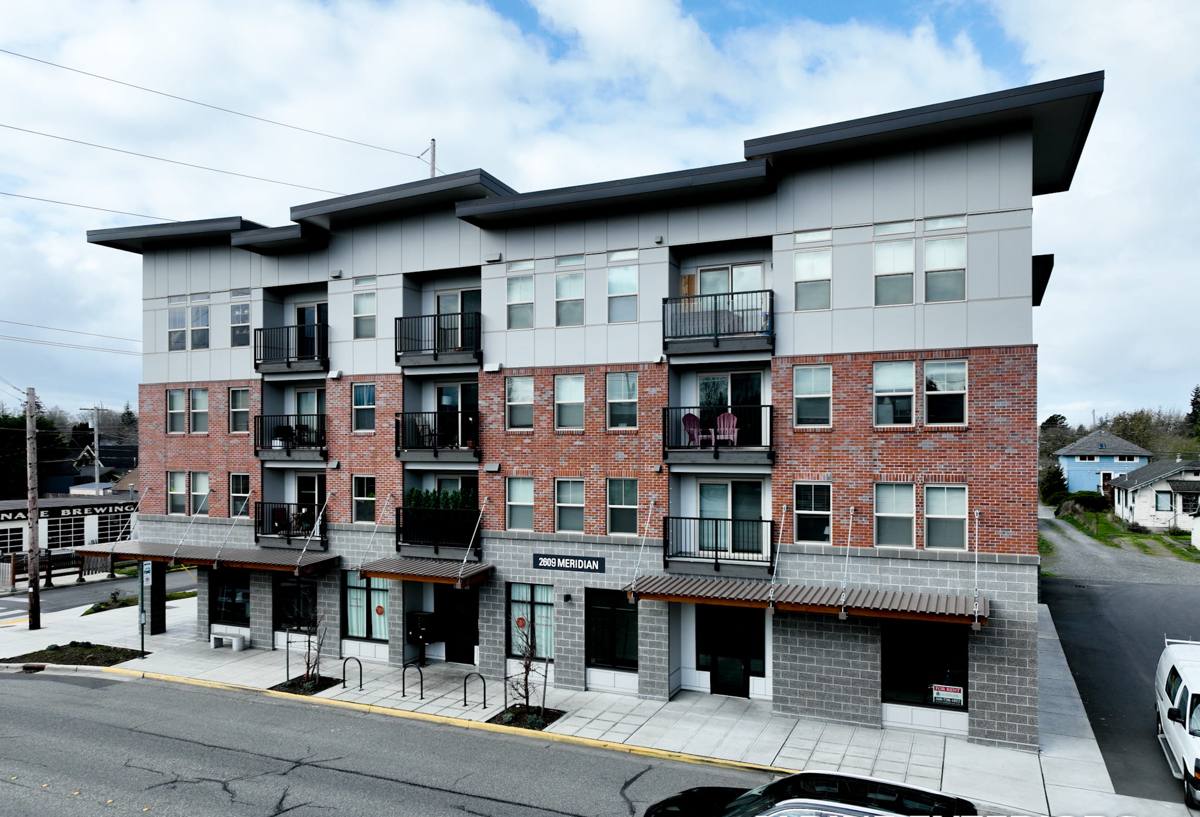
What Old Tampa Bay Weather Actually Does to a House
Wind and Wind-Driven Rain
Safety Harbor isn't immune to the wind loads that come with any Pinellas County tropical system. Wind-driven rain is the bigger long-term threat: it doesn't just fall, it gets pushed sideways and upward under laps, around trim, and into any gap a builder or a previous contractor left too generous. Siding that isn't fastened and flashed correctly lets that water behind the wall assembly, where it causes rot and mold long before anyone sees a stain on the outside.
Year-Round UV
Florida sun doesn't take an off-season. Painted wood and some composite sidings chalk, fade, and become brittle years faster here than they would in a milder climate. A factory-baked finish that's engineered to resist UV breakdown matters more in Safety Harbor than it does almost anywhere else in the country.
Salt Air
Being this close to the water means airborne salt settles on exterior surfaces even without a direct ocean view. Salt accelerates corrosion on fasteners and trim hardware and can degrade certain coatings over time. Material choice and fastener choice both need to account for that proximity, not just general Florida humidity.
Why We Install Only James Hardie Fiber Cement
We don't install LP SmartSide, vinyl, Cemplank, Allura, or primed wood siding, and that's a deliberate standard, not a lack of options. Each of those products has real strengths, but each also carries a trade-off that shows up faster in a bay-adjacent climate like Safety Harbor's: engineered wood products are still wood-based and vulnerable to moisture at cut edges and seams; vinyl can warp and fade under sustained UV and doesn't hold up as well in higher wind events; other fiber cement brands may not offer the same climate-specific product engineering or factory finish warranty that James Hardie does in this region.
James Hardie is non-combustible, doesn't support insect damage the way wood-based products can, and is manufactured with Florida's climate specifically in mind through its HZ10 product line, engineered for high-humidity, storm-prone regions like the Gulf Coast. That's the deciding factor for us: we want every job we put our name on to hold up in this exact climate, not just perform well in a lab test written for a milder one.
ColorPlus Technology
Most of what fails first on painted siding in Safety Harbor is the paint, not the substrate underneath it. James Hardie's ColorPlus finish is baked on at the factory in multiple coats and backed by its own finish warranty, so the color holds its integrity through UV exposure and salt air instead of chalking and fading the way field-applied paint typically does within a few years on the coast.
What a Correct Fiber Cement Siding Job Involves
Fiber cement is only as good as its installation. The material itself is durable, but the details around it — fastening pattern, gap spacing, flashing, and caulking — determine whether it performs for thirty years or develops problems in five.
| Detail | Why It Matters in Safety Harbor |
|---|---|
| Correct fastener type and spacing | Under-fastened panels flex in wind gusts off the bay and can eventually crack or pull loose |
| Proper clearance from grade, roofline, and decking | Keeps splash-back and standing moisture away from the bottom edge of the siding |
| Correctly lapped and sealed flashing at windows and doors | Wind-driven rain finds any shortcut here first |
| Manufacturer-specified caulking at joints, not gaps left open | Prevents water intrusion behind the panel without trapping moisture in |
| Factory-primed cut edges sealed in the field | Exposed raw edges are the most common point of moisture entry on any fiber cement job |
None of these steps are optional extras — they're what separates a siding job that meets James Hardie's own installation standard from one that just looks right on the day it's finished.
Our Process for a Safety Harbor Installation
- On-site assessment. We look at your home's current siding condition, the substrate underneath, window and door flashing, and any moisture or rot already present.
- Product and profile selection. We walk you through HardiePlank lap siding, HardiePanel vertical siding, and trim options, matched to your home's style and Safety Harbor's HOA or neighborhood character where relevant.
- Substrate prep and repair. Any water-damaged sheathing or framing gets addressed before new siding goes up — covering a problem never fixes it.
- Installation to manufacturer spec. Fastening, clearances, and flashing follow James Hardie's published installation guidelines exactly, not a generalized approach borrowed from other siding types.
- Final inspection and walkthrough. We check every joint, corner, and clearance point before we consider the job done, and walk you through what to expect going forward.
Signs Your Current Siding Is Already Struggling
A lot of Safety Harbor homeowners call us after noticing something small that turns out to point at a bigger issue underneath. Watch for:
- Soft or spongy spots when you press on the siding, especially near the bottom courses
- Visible warping, buckling, or panels that look wavy in raking light
- Paint that's chalking heavily or peeling in sheets rather than fading evenly
- Cracked caulk lines around windows, doors, or corner trim
- A musty smell along interior walls that back up to exterior siding
- Visible gaps opening up between siding boards or at seams
Any one of these is worth a look before the next storm season, not after.
Cost Factors for a Safety Harbor Job
Every home is different, so we don't quote a number without seeing the property, but the variables that actually move the price are consistent:
| Factor | How It Affects Cost |
|---|---|
| Home size and number of stories | More surface area and higher access needs increase labor time |
| Extent of substrate repair needed | Rot or water damage found during tear-off adds material and labor |
| Siding profile chosen | Lap siding, vertical panel, and shake-style profiles differ in material and install time |
| Trim and detail complexity | Multiple gables, dormers, and window trim add labor beyond flat wall runs |
| Existing siding removal | Full tear-off versus working with an already-bare substrate changes scope |
Why Local Experience in Safety Harbor Matters
A crew that regularly works Safety Harbor and the wider Clearwater area already understands what this specific stretch of Pinellas County waterfront does to exterior materials — they're not guessing at flashing details based on a spec sheet written for a different climate zone. That local pattern recognition shows up in small decisions during the job: where extra sealant is worth the time, which corners of a home take the worst of the wind-driven rain, and how to sequence work around Florida's storm season instead of getting caught mid-project by it.
It also matters after the job is done. A contractor with an established local presence is who you call if a warranty question comes up five or ten years down the road — not a name that only shows up for the sale.
Caring for Your Siding After Installation
James Hardie fiber cement is low-maintenance, not maintenance-free. A rinse with a garden hose a couple of times a year keeps salt residue and pollen from building up, and it's worth a quick visual check after any major storm for cracked caulk or debris impact damage. Because the ColorPlus finish is factory-applied, you're not signing up for a repaint cycle the way you would with field-painted materials — but keeping an eye on caulk joints and trim intersections goes a long way toward getting the full lifespan out of the installation.
If your Safety Harbor home's siding is showing its age, or you're planning ahead of the next storm season, we're happy to take a look and walk you through what James Hardie fiber cement would involve for your specific property. Reach out for a free, no-pressure estimate using the form below.