 Clearwater Window
 Storm Damage Roof Repair Built for Safety Harbor's Waterfront Exposure
Safety Harbor sits right on Old Tampa Bay, which means homes here take a different kind of beating than roofs a few miles inland. The water pulls storms in fast, wind gusts funnel across the bay with little to slow them down, and the salt-heavy air that comes off the water accelerates wear on flashing, fasteners, and shingle granules year-round. Add in Pinellas County's exposure to hurricane-force winds during storm season and the relentless, near-daily UV load Florida roofs carry the rest of the year, and you have a roof system that's under constant stress even when no storm has hit at all.
That's the backdrop for every storm damage repair we do in Safety Harbor. We're not just patching whatever a storm knocked loose — we're repairing a roof that was already being worked on by sun, salt, and wind before the storm ever arrived, and making sure the repair holds up to the next round of the same.
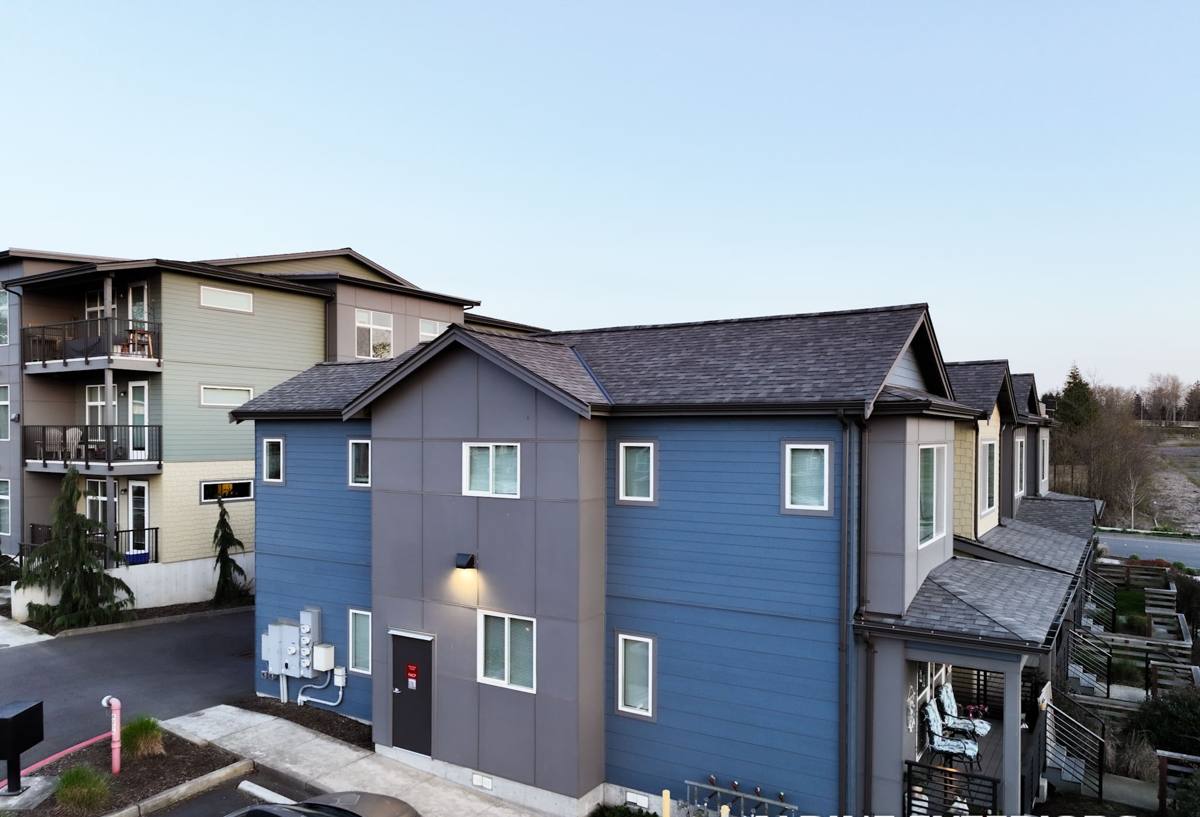
What Storm Damage Actually Looks Like
Not all storm damage is obvious from the driveway. Some of it is, and some of it hides until it's a much bigger problem. Knowing the difference matters because it changes how urgently a repair needs to happen.
Visible Damage
- Missing, cracked, or curling shingles after high wind
- Torn or lifted ridge caps
- Dented or creased metal flashing, vents, or gutters from hail or debris
- Visible holes or punctures from wind-blown branches or debris
- Sagging sections, which usually point to deck-level moisture damage underneath
Hidden Damage
Wind can lift shingles just enough to break their seal without tearing them off, which leaves a gap that wind-driven rain finds on the next storm. Hail can bruise shingles without visibly cracking them, weakening the mat underneath so it fails months later. Granule loss from wind abrasion thins a shingle's UV protection long before it shows as a leak. This is the category of damage that gets missed by a homeowner glancing up from the yard, and it's exactly why a proper inspection after any significant storm matters even when nothing looks obviously wrong.
Why Waiting Costs More Than the Repair Itself
A small storm-caused opening in a roof doesn't stay small. Wind-driven rain — common with the storm patterns that move through this part of the Gulf Coast — gets pushed sideways and upward under shingles and flashing in ways a normal rain shower never would. Once water gets under the roofing layer, it travels along the deck, soaks insulation, and can reach ceilings and walls well away from the original point of entry. What would have been a straightforward shingle and flashing repair becomes a deck replacement, insulation replacement, and interior drywall repair if it sits for a few weeks.
Getting a temporary tarp or emergency seal on an active leak, followed by a permanent repair as soon as materials and scheduling allow, is almost always cheaper than letting the damage sit through even one more heavy rain event.
What a Correct Storm Repair Involves
Full Inspection, Not a Spot Check
We inspect the whole roof plane, not just the area the homeowner points to. Wind damage is rarely confined to one spot — if one section lost shingles, the surrounding areas usually took stress too, even if they're still intact for now. That includes checking flashing around chimneys, vents, and skylights, since these transition points are where storm leaks most often originate even when the shingle field looks fine.
Matching Materials Correctly
Shingle repairs need to match the existing roof in profile, color, and, where possible, manufacturer — mismatched patches are one of the most common complaints we hear about other contractors' storm repair work, and they're avoidable with a bit of care up front. When an exact match isn't available because of discontinued color runs, we tell the homeowner that plainly before starting, rather than after.
Flashing and Underlayment, Not Just Shingles
A shingle-only repair over damaged flashing or torn underlayment is a repair that fails again in the next storm. Correct storm repair means replacing compromised underlayment in the repaired section and resealing or replacing flashing at any penetration nearby, not just laying new shingles over an old problem.
Code-Compliant Fastening
Florida's building code sets minimum wind-uplift standards for roofing repairs, and Pinellas County enforces them. We fasten and nail to that standard on every repair, not just on full replacements, because a repair section that doesn't meet current wind-uplift requirements is a weak point in an otherwise sound roof.
Our Process for Safety Harbor Storm Repairs
- Initial contact and scheduling. We prioritize active leaks and exposed roof decking over cosmetic-only damage.
- On-site inspection. We document damage with photos and notes covering the full roof, not just the reported problem area.
- Written estimate. A clear scope of work and price range before anything is touched — no verbal-only estimates.
- Temporary protection if needed. Tarping or emergency sealing on active leaks while permanent repair materials are sourced.
- Permanent repair. Matching materials, correct flashing and underlayment work, and code-compliant fastening.
- Final walkthrough. We review the completed work with the homeowner before considering the job done.
Repair or Replace? What Actually Determines the Answer
Not every storm-damaged roof needs to be replaced, and not every roof can be reasonably repaired. The honest answer depends on a few concrete factors, not on which option is more profitable for the contractor giving the estimate.
| Factor | Leans Toward Repair | Leans Toward Replacement |
|---|---|---|
| Extent of damage | Isolated to one section or slope | Spread across multiple slopes or the whole roof |
| Roof age | Under 10-12 years, shingles otherwise sound | Near or past expected service life |
| Deck condition | Deck intact, no rot or soft spots | Deck damage found during inspection |
| Material availability | Matching shingles still in production | Discontinued color or profile |
| Insurance scope | Adjuster approves a repair-level claim | Adjuster or contractor documents full-loss criteria |
We'll tell you plainly which category your roof falls into and why, including when a repair is the right call even if a replacement would be a bigger job for us.
Working With Your Insurance Claim
Storm damage repairs in this part of Florida usually involve an insurance claim, and the process goes more smoothly when the documentation is thorough from the start. We provide detailed photo documentation and a written scope of work that adjusters can work from directly. We don't inflate estimates to pad a claim, and we don't tell homeowners what their adjuster will approve — that's between the homeowner and their carrier — but we do make sure the damage assessment we hand over is accurate and complete enough to support a fair claim outcome.
Why Local Experience in Safety Harbor Matters
A crew that regularly works roofs in Safety Harbor and the surrounding Clearwater area already understands how this specific stretch of Pinellas County's coastline behaves — how wind moves across the bay-facing sides of homes, how salt air affects fastener and flashing lifespan compared to more inland neighborhoods, and which storm patterns tend to cause wind damage versus which bring the heavier wind-driven rain that finds every unsealed gap. That local pattern recognition shortens inspection time and reduces the odds of missing damage that isn't in an obvious spot. It also means a crew that isn't disappearing after the job — if a repair needs a follow-up check after the next storm season, we're still local and still reachable.
Homeowner Checklist: After a Storm, Before You Call
- Photograph any visible damage from the ground — do not get on the roof yourself
- Check ceilings and upper closets for new water stains, even faint ones
- Note any granules collecting in gutters or downspouts after the storm
- Look for debris (branches, shingles from a neighboring roof) that may have caused impact damage
- Cover the date and general timeline of the storm for insurance reference
- Avoid signing anything with a door-to-door storm-chasing contractor before getting a second opinion
Get a Free, No-Pressure Estimate
If your Safety Harbor home has visible storm damage, a slow leak you can't quite pin down, or you just want a professional set of eyes on your roof after a rough storm season, we're glad to take a look. The estimate is free, there's no pressure to sign anything on the spot, and you'll get a straight answer about whether you're looking at a repair or something bigger. Fill out the form below to get started.