 Clearwater Window
 Safety Harbor's Location Puts Extra Demands on Windows
Safety Harbor sits along Old Tampa Bay in northern Pinellas County, close enough to open water that homes here take a different kind of beating than a house ten miles inland. Wind-driven rain off the bay finds its way into poorly flashed window openings. Salt-laden air corrodes weak hardware and cheap fasteners faster than most homeowners expect. Year-round Florida UV bakes vinyl frames and breaks down glazing seals over time. And when a tropical system or a strong summer squall line rolls through, older single-pane or poorly anchored windows are one of the first things to fail — sometimes catastrophically, since a blown-out window during a storm lets wind pressure into the house and can compromise the roof from the inside.
None of this means Safety Harbor is a hard place to keep a house dry and comfortable. It means window replacement here isn't a cosmetic upgrade — it's a system that has to be specified and installed correctly for this specific climate, not just swapped in because the old ones look tired.
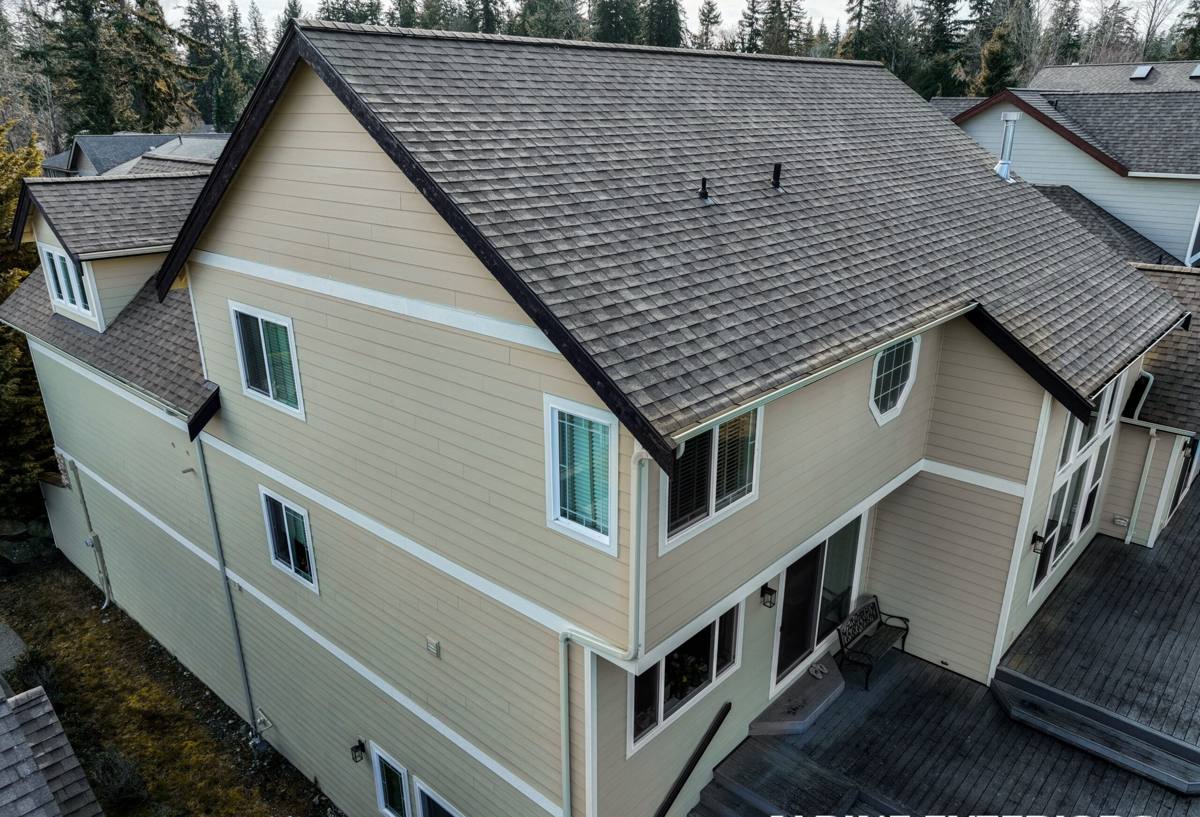
Signs a Safety Harbor Home Needs Window Replacement
Windows rarely fail all at once. Usually there are warning signs for months or years before a homeowner calls, and catching them early prevents wall and framing damage that costs far more than the windows themselves.
- Fogging or a milky haze between panes — the seal has failed and the insulating gas has escaped
- Windows that are hard to open, close, or lock, or that no longer sit flush in the frame
- Visible daylight, drafts, or whistling around the frame during windy conditions
- Soft, discolored, or bubbling drywall or wood trim below or beside a window after heavy rain
- Chalky, pitted, or corroded aluminum frames and hardware — a common sign of long-term salt exposure
- Noticeably higher cooling bills during peak summer months with no other explanation
- Frames that are single-pane, non-impact, and were never upgraded after the home's original construction
If a home has two or more of these, it's worth an inspection before the next storm season rather than after a window fails during one.
What a Correct Window Replacement Actually Involves
Anyone can pull an old window and drop in a new one that roughly fits the hole. Getting a window replacement to actually perform in Pinellas County's climate for the next 20-plus years takes more discipline than that.
Impact-Rated Glass and Frames
Florida Building Code sets wind-load and impact requirements based on the home's wind-borne debris designation, which varies by location and structure height. We size every window to the load requirement for that specific home rather than assuming one product fits every job — a window rated for a single-story interior wall doesn't necessarily meet the requirement for a gable end or a second-story opening facing open water.
Flashing and Water Management
Most window failures that show up as interior water damage aren't glass or frame failures at all — they're flashing failures. Water finds the smallest gap between the window's nailing flange and the wall's weather-resistive barrier and works its way behind the exterior finish. Correct installation means integrating the window flashing with the existing wall's water管理 layers in the right shingled order — housewrap or building paper, flashing tape, sill pan, and sealant — so water sheds outward at every layer, not just at the caulk bead.
Proper Fastening and Structural Anchoring
The window has to be fastened to transfer wind load into structurally sound framing, using fastener types and spacing that match the product's tested installation instructions — not a generic "screw it in every foot or so" approach. Shimming has to keep the frame square and true without over-compressing it, since a racked frame will bind, leak, or fail its seal early regardless of how good the glass is.
Getting the Rough Opening Right
Older Safety Harbor homes, especially those built before more recent code cycles, often have rough openings that are slightly out of square or sized for products no longer made. A correct replacement job accounts for this rather than forcing a new window to fit an imperfect opening, which is where shortcuts tend to hide.
Choosing the Right Window for This Climate
There's no single "best" window for every Safety Harbor home — the right choice depends on wind exposure, budget, how the home is oriented to the sun and water, and how long the homeowner plans to stay in the house. The table below breaks down the trade-offs honestly.
| Frame/Glass Type | Strengths | Trade-offs |
|---|---|---|
| Impact-rated vinyl | No shutters needed, good insulation value, low maintenance, competitive cost | Frame can be more visible in larger sizes than aluminum |
| Impact-rated aluminum | Slimmer sightlines, strong for larger openings, long service life | Higher upfront cost; needs quality hardware to resist salt-air corrosion |
| Laminated impact glass, non-impact frame | Lower cost than full impact-rated units | Frame itself isn't rated for wind-borne debris — not a substitute for a true impact assembly |
| Standard insulated glass + accordion or panel shutters | Lower window cost | Requires deploying shutters before every storm; no daily UV/noise benefit; shutters need their own maintenance |
Our standard for full window replacement on homes exposed to open wind and water is impact-rated glass and frame together as a single tested assembly, not glass alone or a shutter system layered on top of older windows. It costs more up front, but it's protection that's in place every day of the year, not just when someone remembers to put shutters up.
Permitting and Code Requirements in Pinellas County
Window replacement in Safety Harbor requires a permit through the applicable local building department, and inspections confirm the installation meets Florida Building Code wind-load and product-approval requirements for that address. This isn't paperwork for its own sake — the permit and inspection process is what confirms the window that goes into the wall is actually rated for the wind exposure of that specific home, and that it was installed the way its approval documents require. Skipping the permit might save a homeowner a little time, but it also means there's no third-party check that the job was done to code, and it can create real problems at resale when a buyer's inspector or the title company asks for permit history that doesn't exist.
Our Process, Start to Finish
- On-site evaluation of every window opening, checking current frame condition, flashing, and any water or structural damage already present
- Wind-load and product-approval review specific to the home's location and exposure, not a generic recommendation
- A written estimate that spells out product, glass type, and installation scope in plain language
- Permit pulled and submitted before any demolition begins
- Removal of old windows and inspection of the rough opening and surrounding framing for hidden damage
- Installation with correctly shingled flashing, manufacturer-specified fastening, and sill pan drainage
- Final walkthrough and county or city inspection to close out the permit
Why It Matters That We Already Work in Safety Harbor
A crew that regularly works this part of Pinellas County already knows which older neighborhoods tend to have out-of-square openings, which wall assemblies need extra attention at the flashing stage, and what wind exposure looks like on a lot that backs up to open water versus one a few streets inland. That familiarity shows up in fewer surprises mid-job and a more accurate estimate up front, instead of change orders once the old windows come out and problems that weren't visible from outside get discovered. It also means faster response if a warranty question or a storm-related issue comes up later — we're not driving in from across the region to look at a job we did once.
Maintenance That Protects the Investment
A correctly installed impact window is close to maintenance-free, but a little attention extends its life meaningfully in this climate. Rinsing frames and tracks periodically helps clear salt residue before it pits hardware. Checking that weep holes along the sill stay clear of debris keeps water draining the way it's designed to instead of pooling. And an annual look at exterior caulking and sealant — especially after hurricane season — catches small gaps before they become a leak path.
If your Safety Harbor home has windows showing any of the warning signs above, or you're planning ahead of the next storm season, we're happy to walk the property and give you a straight answer on what your home actually needs. Use the form below to request a free, no-pressure estimate.