 Clearwater Window
 Asphalt Shingle Roofing Built for Safety Harbor's Waterfront Climate
Safety Harbor sits along Old Tampa Bay in Pinellas County, tucked in close to Clearwater but with its own exposure to the water. That waterfront position is part of what makes the community appealing, and it's also exactly why roofs here take a harder beating than roofs a few miles inland. Hurricane-force wind gusts, months of intense UV exposure, wind-driven rain that finds every gap in a poor installation, and a steady drift of salt air off the bay all work against an asphalt shingle roof at the same time, year after year.
A shingle roof installed to a genuinely correct standard can handle that combination for decades. A roof installed to the bare minimum, or with shortcuts on underlayment, nailing, or ventilation, tends to show real problems within five to seven years — granule loss, curling tabs, leaks at valleys and penetrations, and premature aging that no amount of touch-up repair fixes. This page is about that gap: what a Safety Harbor roof actually needs, what a correct installation involves, and why hiring a crew that already works in this area regularly — not just "somewhere in Florida" — changes the outcome.
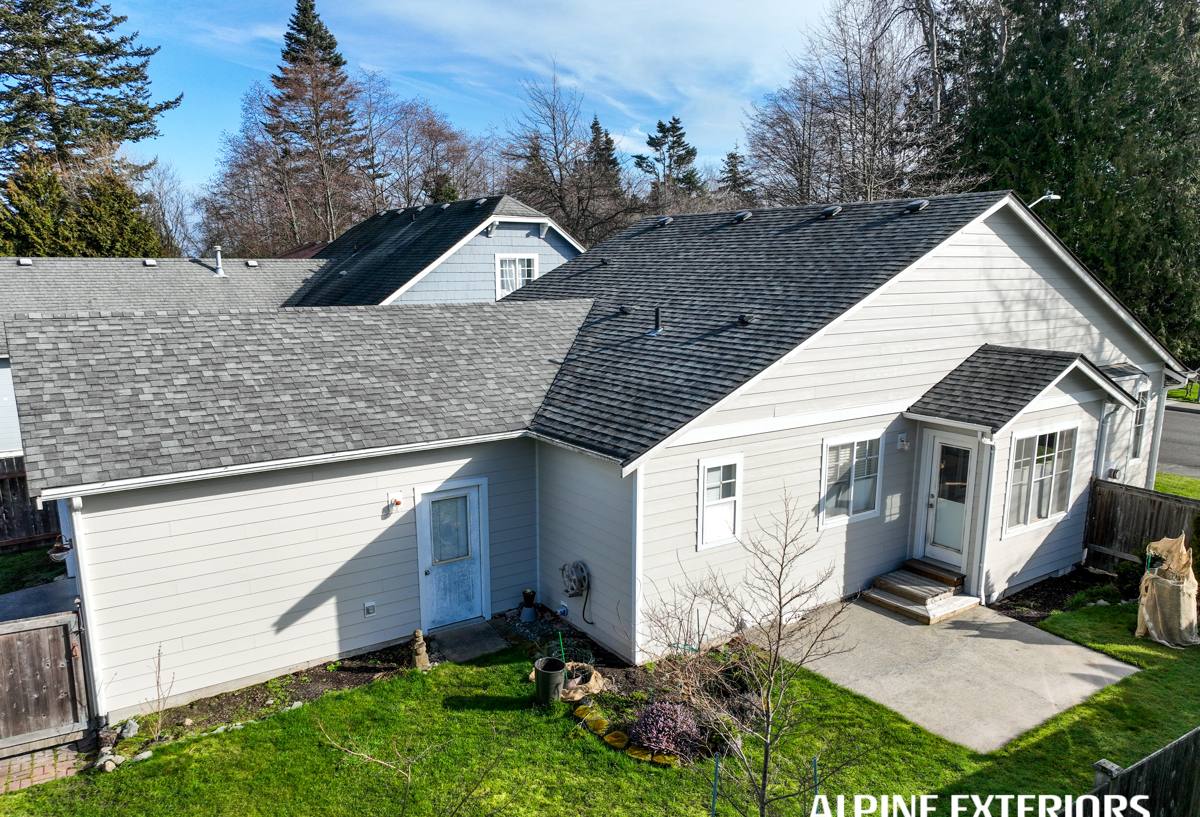
What This Climate Actually Does to a Shingle Roof
Hurricane-Force Wind
Wind doesn't just push on a roof — it lifts. The highest uplift forces concentrate at the eaves, rakes, and ridge, which is exactly where a rushed installation is most likely to skimp on fastening. Shingles rated for high wind only perform to that rating when they're nailed with the correct pattern and nail count, the starter strip is set properly along the edges, and the self-sealing strips have had a chance to bond. Skip any one of those steps and the wind rating on the shingle wrapper becomes meaningless.
Year-Round UV
Florida doesn't get a winter break from sun exposure the way northern states do. Asphalt shingles are a petroleum-based product, and constant UV breaks down their oils over time, causing the mat to become brittle and the granules — which protect the asphalt underneath and give the shingle its color — to shed faster than they would in a milder climate. This is a normal aging process, but it accelerates on roofs with poor attic ventilation, since trapped heat bakes the underside of the shingles from below at the same time the sun bakes them from above.
Wind-Driven Rain
Rain that falls straight down is rarely the problem. Rain driven sideways by a storm front, pushed up under shingle tabs and into valleys, flashing seams, and roof penetrations, is what actually gets into a house. A correct roof assumes wind-driven rain will reach the underlayment and flashing at some point, and is built so that water sheds back out rather than finding a path into the deck.
Salt Air
Old Tampa Bay's proximity means a low-level, constant drift of salt in the air, even on calm days. Over years, that salt content accelerates corrosion on exposed metal — nail heads, drip edge, flashing, and roof vents — faster than it would happen further inland. It also tends to feed the algae and mildew growth that shows up as dark streaking on north-facing roof slopes in humid climates. Neither of these is a defect in the shingle; it's a reason to choose the right fasteners, flashing metal, and shingle granule type for a bay-adjacent property.
What a Correct Installation Involves
The shingle itself is only one piece of a roofing system. Most leaks and premature failures we get called out to inspect trace back to what's underneath the shingle, not the shingle brand. A correct installation for this area includes:
- Synthetic underlayment as the primary water barrier, which holds up to wind and foot traffic far better than old-style felt paper
- Self-adhering underlayment at valleys, eaves, and around penetrations, where wind-driven rain is most likely to be forced upward under the shingle courses
- Corrosion-resistant drip edge and flashing at every roof-to-wall transition, valley, and chimney or vent penetration
- A high-wind nailing pattern — the correct nail count and placement for the shingle and the local wind rating, not just the manufacturer's minimum
- Balanced attic ventilation, with intake at the soffits and exhaust at the ridge, so heat and moisture don't get trapped against the underside of the deck
None of these items show up in a photo of the finished roof. They're also the parts that separate a roof that holds up through its rated wind speed from one that loses shingles in the first strong gust of a storm season.
Shingle Options for Safety Harbor Homes
Not every shingle line is worth the same trade-off for this exposure. Here's how the main categories generally compare for a bay-adjacent, high-UV, high-wind property:
| Shingle Type | Typical Wind Rating | Expected Lifespan | Best Fit For |
|---|---|---|---|
| 3-Tab (economy) | Lower end of code minimums | Shortest of the common options | Budget-driven projects, secondary structures |
| Architectural / Laminate | Mid-to-high, varies by product line | Longer than 3-tab, better UV tolerance | Most Safety Harbor homes — the standard upgrade |
| Impact-Rated (Class 4 / UL 2218) | High, engineered for wind-borne debris resistance | Comparable to or longer than standard architectural | Homes seeking insurance credit and added storm resilience |
Impact-rated shingles cost more up front, but in many cases they qualify for a wind mitigation insurance credit under Florida's rating system, which can offset part of that difference over time. We'll walk through the real numbers for your specific policy and roof rather than quoting a generic rule of thumb.
How We Approach a Shingle Roof Installation in Safety Harbor
- Inspection first. We look at the existing roof, the deck condition, current ventilation, and flashing details before quoting anything — not just the shingle surface.
- Full tear-off when it's warranted. Layering new shingles over old hides deck problems and voids most manufacturer warranties; we recommend tear-off when the deck needs to be seen and repaired.
- Deck repair. Any soft, delaminated, or water-damaged sheathing gets replaced before anything else goes down. Nailing new shingles over a compromised deck is how roofs fail early.
- Underlayment and flashing installed to the standard described above, with extra attention at valleys, penetrations, and roof-to-wall transitions.
- Shingles installed to a high-wind nailing pattern, not the manufacturer's bare minimum.
- Ventilation checked and corrected if the attic isn't breathing properly — this affects both shingle lifespan and cooling costs.
- Final walkthrough and documentation, including the paperwork needed for a wind mitigation inspection if you plan to file one with your insurer.
Signs Your Roof Needs Attention
Most shingle roof failures give warning signs well before a leak shows up on a ceiling. Worth checking for:
- Granules collecting in gutters or at the base of downspouts
- Shingle tabs that are curling, cupping, or visibly lifted at the edges
- Dark streaking on north-facing slopes (typically algae, not structural damage, but worth addressing)
- Soft or spongy spots when walking the roof, which usually mean deck damage underneath
- Daylight visible through the roof deck from inside the attic
- Missing or displaced shingles after any named storm or strong wind event
- A noticeable rise in cooling costs, which can point to failing attic ventilation
Any one of these on its own isn't necessarily an emergency, but they're worth a professional look before the next storm season rather than after.
What It Costs — Factors That Matter More Than Square Footage
Two roofs of the same size in Safety Harbor can price out very differently depending on what's actually involved. The main cost drivers we see:
| Factor | Why It Affects Cost |
|---|---|
| Roof pitch and complexity | Steep slopes, multiple valleys, and dormers take more labor and material than a simple gable |
| Number of existing layers | Tear-off of multiple old layers costs more than removing one |
| Deck condition | Rotted or delaminated sheathing needs replacement before shingles go down |
| Shingle tier chosen | 3-tab, standard architectural, and impact-rated products carry different material costs |
| Ventilation upgrades | Adding or correcting ridge and soffit ventilation is worth doing at the same time as a full re-roof |
| Flashing and penetration count | Chimneys, skylights, and multiple roof-to-wall transitions each add detail work |
We'd rather walk your specific roof and give you real numbers than quote a broad per-square-foot range that doesn't hold up once we're actually up there.
Why Local Experience in Safety Harbor Matters
A roofing crew that works this area regularly already knows the permitting process through Pinellas County and the relevant local jurisdiction, understands what a wind mitigation inspection needs to look like for insurance purposes, and has dealt with the deed restrictions some Safety Harbor neighborhoods have around shingle color and style. That familiarity isn't a nice-to-have — it's the difference between a smooth permit and inspection process and one that gets held up over paperwork.
Just as important, a crew that's used to working this close to Old Tampa Bay builds with the salt air and humidity in mind by default — corrosion-resistant fasteners, proper flashing metal, and attention to ventilation aren't an upsell, they're the standard we work to because we've seen what happens on roofs where they weren't.
Caring for a New Roof After Installation
A correctly installed shingle roof still benefits from basic upkeep in this climate. Keep gutters clear so water doesn't back up under the eaves, keep an eye on attic ventilation (especially after any renovation that might block soffit vents), and have the roof looked at after any major storm — not because you're expecting a problem, but because catching a lifted shingle or damaged flashing early is far cheaper than dealing with the water damage that follows months later. Keeping your installation paperwork and any wind mitigation documentation on file also makes future insurance renewals and claims go more smoothly.
If you're weighing a shingle roof for a Safety Harbor home, we're happy to take a look and give you an honest read on what your roof actually needs — no pressure, no upsell. Fill out the form below for a free estimate.