 Clearwater Window
 Board & Batten Siding Built for Safety Harbor's Bay-Front Climate
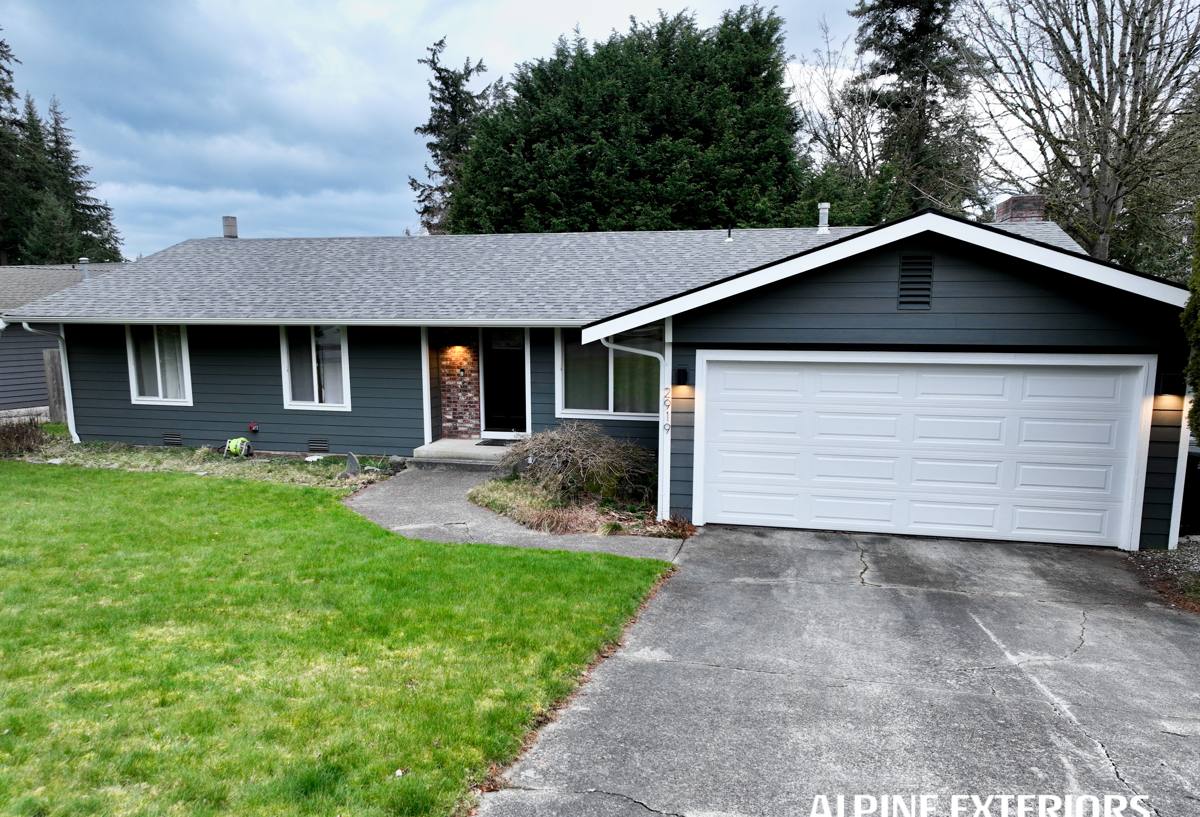
Board and batten siding has a clean, vertical look that suits both the older bungalow-style homes and the newer builds you'll find in and around Safety Harbor, just north of Clearwater along Old Tampa Bay. Wide flat boards run vertically with narrow battens covering each seam, giving a home a cottage or modern-farmhouse character that horizontal lap siding simply doesn't deliver. It's a popular request from homeowners in this part of Pinellas County, and it's a profile we install often — but only in one material, and only when the underlying construction is done right.
A board and batten wall has more seams and more vertical joints than standard lap siding, which means more places for water to find a way in if the installation is sloppy. In a climate that sends hurricane-force wind gusts, wind-driven rain, and salt-laden air at every exterior wall in this area, that detail work isn't optional — it's the difference between siding that lasts decades and siding that fails at the seams within a few years.
Why Safety Harbor Homes Take a Harder Hit Than Most
Safety Harbor sits close to the water, and homes here deal with a combination of stresses that inland Florida properties don't see nearly as often:
- Hurricane and tropical-storm wind: Pinellas County's coastal exposure means siding has to resist sustained high wind and wind-driven debris, not just rain.
- Wind-driven rain: Storms here don't just fall straight down — rain gets pushed sideways into seams, corners, and batten joints under pressure.
- Intense, near-constant UV: Florida sun breaks down paint film and lesser siding materials faster than almost anywhere else in the country.
- Salt air: Proximity to Old Tampa Bay puts a steady load of airborne salt on exterior surfaces, which accelerates corrosion of fasteners and finish breakdown on anything not engineered for coastal exposure.
Board and batten siding, with its vertical seams and exposed batten fasteners, is actually more sensitive to these forces than flat lap siding. That's exactly why the material choice and the installation method matter more here than they would on a home a hundred miles inland.
What a Correct Board & Batten Installation Actually Involves
A good-looking board and batten job and a correctly built one are not always the same thing. The visible boards and battens are the last step. Everything underneath them is what determines whether the wall stays dry and stable through storm season after storm season.
The Layers Behind the Boards
Before a single board goes up, the wall needs a continuous weather-resistive barrier, properly lapped and sealed at every penetration, window, and door opening. On many homes in this area we also install a drainage gap — a rainscreen — behind the siding so that any moisture that does get past the outer layer has a path to drain and dry out instead of sitting against the sheathing.
Fastening and Seams
Board and batten siding lives or dies on its fastening pattern and seam treatment. Boards need proper edge clearance, correct fastener spacing and embedment, and battens sized and placed to fully cover each seam without trapping water behind them. Corners, window trim, and the bottom starter course are where most failures start, so those details get extra attention rather than a quick pass.
Ground and Roof Clearance
Siding installed too close to grade, roofing, or a deck surface will wick moisture no matter what it's made of. We keep proper clearances at the bottom of every wall and at every roof-to-wall transition, which matters even more in a climate where standing water and heavy rain are routine.
Why We Install Only James Hardie Fiber Cement for Board & Batten
Board and batten panels are available in several materials, and we've made a deliberate decision to install only James Hardie fiber cement for this profile. It's not the cheapest option on the shelf, but it's the one that holds up to the specific combination of wind, sun, and salt air that Safety Harbor and the rest of Clearwater deal with year-round.
| Material | How It Holds Up Here | Long-Term Consideration |
|---|---|---|
| James Hardie fiber cement | Non-combustible, dimensionally stable in heat and humidity, engineered HZ10 formulation for Gulf Coast exposure | Factory-baked ColorPlus finish resists Florida UV fade; strong transferable warranty when installed to spec |
| Solid wood board and batten | Attractive but absorbs moisture at end grain and seams | Requires ongoing repainting and caulking; prone to cupping, splitting, and rot in humid, salt-air conditions |
| Vinyl or engineered-look panels | Low upfront cost, minimal maintenance | Can soften, warp, or become brittle under sustained heat and UV; battens and fastening hem points are more failure-prone in high wind |
Wood board and batten can look beautiful the day it goes up, but it asks a homeowner to keep repainting and re-caulking it indefinitely to keep water out — a losing battle in this humidity. Vinyl-style versions cost less up front, but the wide flat boards and thin battens common to this profile are exactly the components most affected by heat distortion and wind uplift. James Hardie's fiber cement panels hold their shape and finish under both stresses, which is why it's the only material we put on a Safety Harbor home for this look.
Our Board & Batten Installation Process
- On-site evaluation: We look at the existing wall assembly, moisture history, and any problem areas — old siding failures usually tell us exactly where a new installation needs to be more careful.
- Tear-off and sheathing check: Old siding comes off and we inspect the sheathing underneath for hidden rot or damage before anything new goes up.
- Weather barrier and drainage plane: A continuous water-resistive barrier goes on first, with a drainage gap where the wall assembly calls for it.
- Board layout and fastening: Hardie panels are cut, spaced, and fastened to manufacturer specification, with attention to expansion clearance and fastener placement.
- Batten installation: Battens are set to fully cover each seam and fastened through to framing, not just into the panel.
- Trim, corners, and sealant: Corner boards, window and door trim, and joints are finished and sealed with products rated for the assembly.
- Final inspection: We walk the finished wall for clearance, fastening, and finish quality before calling the job done.
Wind Zone and Code Considerations in Pinellas County
Pinellas County enforces Florida Building Code wind-load and fastening requirements that apply to exterior wall coverings, and board and batten siding has to meet the same standards as any other siding profile. That means correct fastener type, spacing, and embedment for the wind zone your specific property falls in, along with proper flashing at every penetration. We handle the permitting and inspection process as part of the job rather than leaving it to the homeowner to sort out, and we build to the code requirements for this area rather than the minimum that might pass in a lower wind zone further inland.
Design Options for Safety Harbor Homes
James Hardie's board and batten system isn't a one-look product. Board width, batten spacing, and reveal can all be adjusted to fit anything from a tight cottage facade to a larger two-story home. It also pairs cleanly with Hardie lap siding or shingle-style panels if you want board and batten as an accent — on a gable end, a dormer, or a front entry feature — rather than the full exterior. ColorPlus factory finishes come pre-baked onto the panel in a range of colors engineered to resist the fading that plain-primed siding suffers under Florida sun, so the color you choose at installation is the color you keep.
Checklist: What a Board & Batten Job Done Right Looks Like
- Continuous weather-resistive barrier installed and properly lapped before any siding goes up
- Drainage gap or rainscreen behind the panels where the wall assembly calls for it
- Fasteners and spacing that match James Hardie's published specifications, not a generalized approach
- Battens wide enough and placed precisely enough to fully cover each seam
- Proper clearance from grade, roofing, and deck surfaces at every bottom edge
- Flashing at every window, door, and roof-to-wall transition
- Corner and trim details sealed with the correct sealant for the assembly
- Final walk-through before the job is called complete
Why a Crew That Already Works Safety Harbor Matters
Board and batten siding isn't a profile you want a crew learning on your house. The seam count is higher than lap siding, the margin for error at each batten is smaller, and the consequences of a rushed job show up as water intrusion, not just a cosmetic issue. A crew that already works Clearwater and the surrounding Pinellas County communities knows the wind-zone requirements, the permitting process with the local building department, and the specific moisture behavior of homes sitting close to Old Tampa Bay — knowledge that only comes from doing this work in this exact climate, repeatedly, rather than showing up from out of the area for a single project.
If you're considering board and batten siding for a home in Safety Harbor or elsewhere in the Clearwater area, we'd be glad to take a look and walk you through what a correct installation involves for your specific property. Reach out for a free, no-pressure estimate using the form below.