 Clearwater Window
 Siding Replacement in Safety Harbor: What Local Homes Are Up Against
Safety Harbor sits on the edge of Old Tampa Bay, which means homes here take on a specific mix of punishment that inland Pinellas County neighborhoods don't deal with in the same combination. You've got salt-laden air rolling off the water, long stretches of intense subtropical sun, wind-driven rain that finds its way into every seam and lap joint, and the occasional tropical system or hurricane-force wind event that tests every fastener and panel on the house. Siding here isn't just cosmetic. It's the first line of defense for the wall assembly behind it, and when it fails, the damage is rarely limited to the siding itself.
A siding replacement in this area needs to be planned around those specific stressors, not treated as a generic exterior upgrade. That means choosing a material engineered for high-humidity, high-UV, coastal-adjacent climates, and having it installed by a crew that understands how water actually moves behind siding on a Florida home.
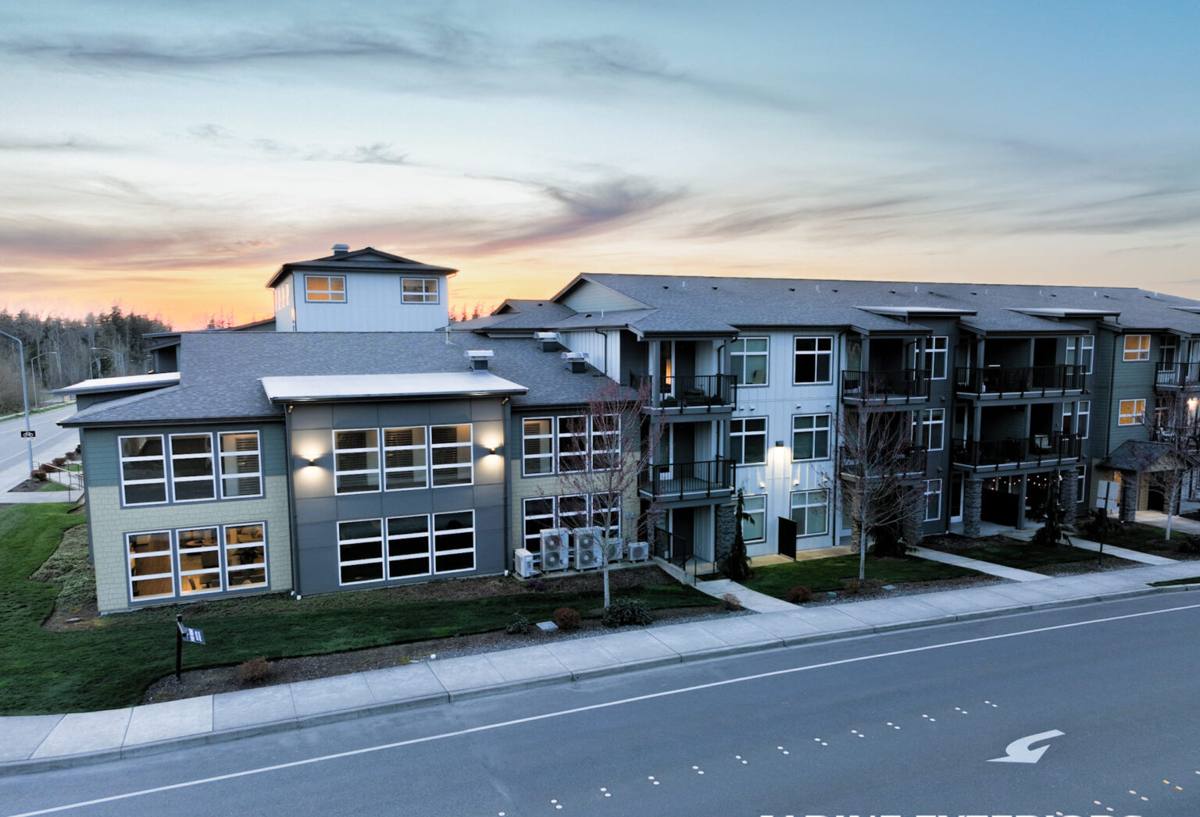
Why Older Siding Fails Faster in This Part of Clearwater
Sun and heat cycling
Central Florida sun is relentless, and siding on south- and west-facing walls in Safety Harbor takes a UV beating almost year-round. Cheaper composite panels and coatings chalk, fade, and become brittle under that kind of exposure. Repeated heat-up and cool-down cycles also stress caulk joints and fastener points, which is where water intrusion usually starts.
Humidity and wind-driven rain
Bay-adjacent humidity keeps wall assemblies damp longer after storms than homes further inland. Combined with wind-driven rain — which drives moisture sideways into laps, corners, and trim joints instead of just running down the face of the wall — this creates ideal conditions for rot behind wood-based sidings and swelling or delamination in lower-grade composites.
Salt air
Proximity to the bay means airborne salt settles on exterior surfaces and accelerates the breakdown of fasteners, coatings, and some composite substrates. It's a slower process than storm damage, but it's constant, and it's part of why we don't recommend materials that weren't engineered with coastal exposure in mind.
Signs a Safety Harbor Home Needs Siding Replaced, Not Just Patched
- Soft, spongy, or crumbling sections when pressed — usually a sign of moisture trapped behind the panel
- Visible warping, buckling, or panels that have pulled away from the wall line
- Paint that won't hold anymore even after repeated repainting, especially on sun-exposed walls
- Cracked or delaminating panels, particularly at butt joints and corners
- Rot or staining at the bottom courses, near hose bibs, or below window sills
- Insect activity, which almost always means there's moisture and decayed wood fiber behind the siding
- Rising energy bills that track with gaps or failed caulking you can feel air movement through
If you're only seeing one or two isolated spots, a repair may make sense. If it's showing up in multiple locations, especially on the same exposures, that's usually a sign the whole assembly is past its service life and patching will just delay a full replacement while the damage spreads.
What a Correct Siding Replacement Actually Involves
The material matters, but installation is what determines whether that material performs for its full service life on a bay-adjacent home. A correct job includes:
Full tear-off and substrate inspection
Old siding comes off down to the sheathing so we can actually see what's happening underneath — rot, mold, compromised framing, or failed house wrap don't show up until the old material is off the wall.
Repair before re-cover
Any damaged sheathing or framing gets repaired or replaced before new siding goes up. Installing new siding over a compromised substrate just hides a problem that will resurface, usually worse.
Weather-resistive barrier and flashing
A properly lapped weather-resistive barrier, correctly integrated window and door flashing, and properly flashed penetrations (vents, hose bibs, electrical) are what actually stop wind-driven rain from reaching the wall cavity — the siding itself is the second line of defense, not the only one.
Manufacturer-spec fastening
Fastener type, spacing, and placement all affect wind performance and warranty validity. This is one of the most commonly rushed steps in the trade, and it's where a lot of otherwise good siding jobs fail during a wind event.
Proper clearances and joint treatment
Correct ground clearance, kickout flashing at roof-wall intersections, and properly treated joints all reduce the chances of water sitting against the bottom of the siding — a common failure point on homes near the water.
Why We Only Install James Hardie Fiber Cement
We install exclusively James Hardie fiber cement siding — not vinyl, not LP SmartSide, not Cemplank, Allura, or wood products. That's a deliberate standard, not a limitation. Fiber cement is non-combustible, doesn't support insect activity the way wood-based products can, and holds its shape and paint line far better than vinyl in intense, sustained UV. James Hardie's ColorPlus factory finish is baked on and warranted against fade, which matters enormously on the sun-exposed walls common throughout Safety Harbor.
Just as important, James Hardie makes climate-specific product lines engineered for exactly the conditions this area sees — humidity, moisture cycling, and coastal air. That engineering, combined with correct installation, is what gives homeowners here a siding system that's built for the environment it's actually going into, rather than one that happens to work in a milder climate.
How Common Siding Materials Compare for This Climate
| Material | UV/Fade Resistance | Moisture Behavior | Coastal Suitability |
|---|---|---|---|
| James Hardie fiber cement | Factory ColorPlus finish, strong long-term fade resistance | Non-combustible, doesn't rot; engineered HZ lines for humid climates | Engineered specifically for climates like this one |
| Vinyl | Can fade, warp, or become brittle under sustained heat/UV | Handles moisture but can distort in high heat | Workable, but appearance and rigidity degrade faster in intense sun |
| LP SmartSide / wood-based composite | Requires ongoing paint/coating maintenance | Wood fiber core is vulnerable to moisture intrusion if seams fail | Higher maintenance burden in humid, wind-driven-rain climates |
| Untreated/primed wood or cedar | Fades and weathers without diligent maintenance | Most vulnerable to rot and insect damage when moisture gets in | Least suited to sustained coastal humidity without heavy upkeep |
This isn't a claim that other materials can't be installed correctly elsewhere — it's why, as a company, we've standardized on the one system we're confident holds up here with the least long-term maintenance burden for the homeowner.
Our Process for Safety Harbor Siding Projects
- On-site assessment: we walk the exterior, check current siding condition, look at trouble spots (window heads, corners, ground clearance, roof-wall intersections), and note any signs of moisture behind the current material.
- Scope and product selection: we go over which James Hardie line and profile fits the home and exposure, and give you a clear, honest scope of work.
- Tear-off and substrate repair: old siding comes off, sheathing and framing are inspected and repaired as needed before anything new goes up.
- Weather barrier and flashing installation: house wrap, window/door flashing, and penetration flashing are installed or corrected to manufacturer and code standards.
- Hardie installation to spec: correct fastening, clearances, joint treatment, and factory-finished panels installed per manufacturer requirements to keep the warranty intact.
- Final walkthrough: we go over the finished job with you before we consider it done.
What Drives Cost on a Siding Replacement
| Factor | Why It Matters |
|---|---|
| Extent of substrate damage | Rotted sheathing or framing found during tear-off adds repair scope beyond the siding itself |
| Home size and wall complexity | More corners, gables, and trim details mean more labor and material cuts |
| James Hardie product line and profile | Panel style (lap, shingle, board-and-batten) and HZ climate-engineering level affect material cost |
| Trim and accessory work | Fascia, soffit, window trim, and corner details are often replaced alongside siding for a consistent, correctly flashed result |
| Access and site conditions | Landscaping, fencing, second-story sections, and proximity to neighboring structures affect labor time |
We don't publish flat prices because every home's substrate condition and scope is different — but we'll walk you through exactly what's driving the number on your specific project before any work starts.
Why a Crew That Already Works Safety Harbor Matters
Siding installation isn't uniform across Florida, let alone across the country. A crew that regularly works Safety Harbor and the greater Clearwater area already knows how bay-adjacent humidity and salt exposure behave against a wall assembly, understands local permitting and wind-load requirements for Pinellas County, and has seen firsthand which install shortcuts show up as callbacks two summers later. That familiarity shows up in the details — flashing choices, fastener selection, clearance decisions — that don't get mentioned on an estimate sheet but decide whether the siding is still performing in ten or fifteen years.
Questions Worth Asking Any Siding Contractor Before You Hire
- Are you a factory-certified installer for the siding brand you're proposing?
- What warranty applies to the material, and what applies to your labor — and are they separate?
- Will you inspect and repair sheathing/framing found during tear-off, or is that a separate change order?
- How do you handle flashing at windows, doors, and roof-wall intersections?
- Can you provide proof of licensing and insurance specific to Florida exterior work?
- Do you have experience with homes in this specific area, not just Florida generally?
Get a Straight Answer on Your Siding
If your Safety Harbor home is showing any of the wear signs above, or you're just trying to figure out whether repair or full replacement makes sense, we're happy to take a look and give you an honest read — no pressure, no inflated scope. Fill out the form below for a free estimate and we'll walk the exterior with you and explain exactly what we see.