 Clearwater Window
 Siding Replacement in Dunedin: Built for This Coastline, Not Just Any Coastline
Dunedin sits close enough to the water that its homes take on the same punishing mix of conditions as the rest of coastal Pinellas County: salt-laden air drifting in off the Gulf, long stretches of intense UV exposure, wind-driven rain that finds every gap in a wall assembly, and the real risk of hurricane-force winds during storm season. Siding here isn't just a cosmetic layer — it's the first line of defense for the wood framing, sheathing, and insulation behind it. When that first line fails, the damage often isn't visible until it's expensive.
We install James Hardie fiber cement siding in Dunedin and throughout the Clearwater area, and we do it exclusively. This page walks through what Dunedin homes specifically need from a siding system, what a correct installation actually involves, and why the crew doing the work matters as much as the material itself.
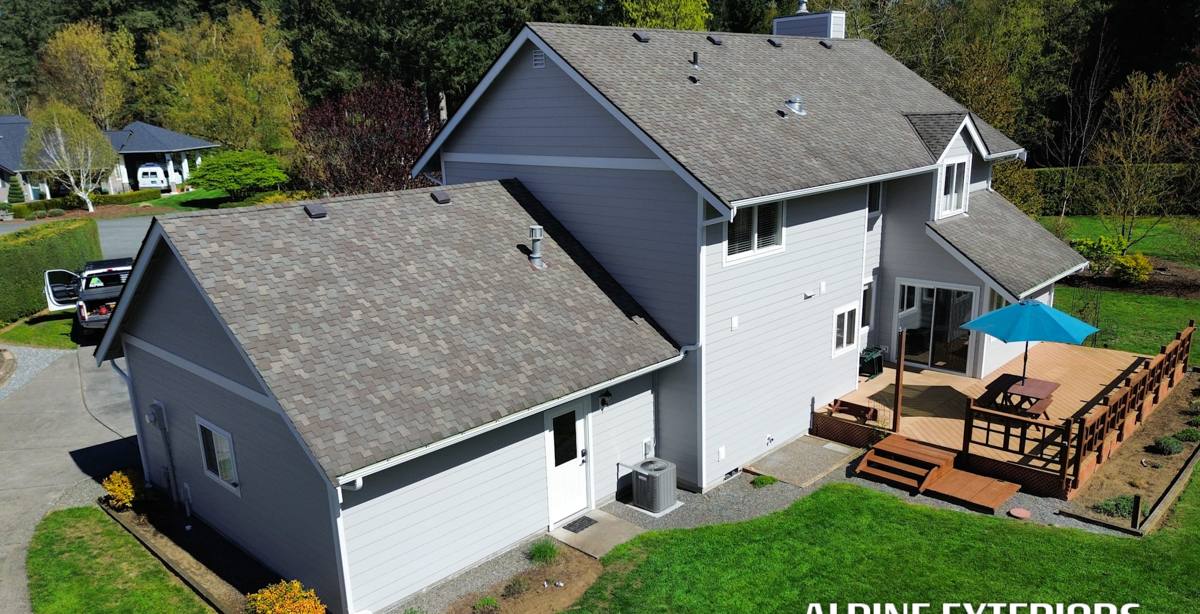
What Pinellas County Climate Does to Siding Over Time
Every siding material eventually shows wear, but the pace and pattern of that wear depends heavily on local conditions. In Dunedin, four factors do most of the damage:
- Salt air corrosion: Airborne salt accelerates the breakdown of fasteners, trim, and certain siding substrates, especially on homes within a few miles of the water.
- UV degradation: Florida's year-round sun fades paint and breaks down the surface resins in lower-grade siding products, leading to chalking, color loss, and brittleness.
- Wind-driven rain: Storms here rarely bring rain straight down. Wind pushes water sideways into seams, laps, and butt joints, which is where most moisture intrusion actually starts.
- Hurricane-force wind loads: Even in years without a direct hit, tropical systems and seasonal squalls put real pressure on siding attachment. Panels that are under-fastened or improperly lapped are the ones that fail first.
None of these factors act alone. A siding system that handles UV well but swells at the seams when wet will still fail in a Dunedin backyard. The material and the installation both have to answer to all four conditions at once.
Signs a Dunedin Home's Siding Needs Replacing, Not Patching
Homeowners often ask whether a section of damaged siding can just be patched. Sometimes it can. More often, visible damage in one spot is a sign of a problem spreading underneath the whole wall. Look for:
- Soft or spongy spots when you press on the siding, especially near the bottom edges and around windows
- Visible warping, buckling, or panels pulling away from the wall
- Paint that's bubbling, peeling, or failing faster than it should between repaints
- Persistent staining or dark streaking that doesn't wash off, often a sign of moisture trapped behind the surface
- Cracked or crumbling caulk lines at seams and trim, which lets wind-driven rain in even if the siding panels look fine
- A musty smell in interior rooms along an exterior wall, which can indicate moisture has already reached the sheathing
If more than one of these shows up, or if the siding is original to a home built more than 15-20 years ago, a full replacement is usually the more honest recommendation than a patch job that only buys a season or two.
Why We Only Install James Hardie Fiber Cement
We don't install vinyl siding, LP SmartSide, Cemplank, Allura, or primed wood products like spruce or cedar. That's a deliberate standard, not a lack of options, and it's worth explaining honestly rather than just asserting.
Vinyl is affordable and low-maintenance in mild climates, but it softens and can warp under sustained high heat, and it's not the product we'd choose to stand behind hurricane-force wind events. Engineered wood products like LP SmartSide perform well in many parts of the country, but wood-based substrates are more sensitive to sustained moisture exposure than fiber cement, which matters in a climate where wind-driven rain is a near-annual event. Primed spruce and cedar require the most ongoing maintenance of any option and are the least forgiving of Florida's humidity and UV combination. Other fiber cement brands, like Cemplank and Allura, are legitimate products, but we've standardized on one manufacturer so our crews install one system with total consistency, and James Hardie's HZ5 product line is specifically engineered for high-humidity, high-moisture climates like ours.
James Hardie fiber cement is non-combustible, holds its factory-applied ColorPlus finish far longer than field-applied paint on other substrates, and resists the swelling, cracking, and pest damage that wood-based sidings are prone to in this climate. It's not the cheapest option on the market, and we tell homeowners that up front. It's the option that holds up here.
What "HZ5" Actually Means
James Hardie engineers its siding for specific climate zones. The HZ5 line is built for regions with high humidity and significant moisture exposure, which describes the Gulf Coast well. It's a different formulation than the product sold in drier inland markets, and it's the version we install on Dunedin homes.
What a Correct Siding Replacement Actually Involves
Fiber cement siding is only as good as the wall assembly underneath it. A correct replacement isn't just removing old panels and nailing up new ones. It involves:
- Full tear-off and inspection: Removing the existing siding to inspect the sheathing and framing underneath for rot, moisture damage, or pest activity that needs to be addressed before anything new goes up.
- Weather-resistive barrier: Installing or replacing the house wrap that acts as the secondary drainage plane behind the siding, which matters more in a wind-driven-rain climate than in most other regions.
- Proper flashing at penetrations: Windows, doors, and any wall penetration need correct flashing so water is directed out and down, not trapped behind the siding.
- Manufacturer-spec fastening: James Hardie publishes specific fastener patterns and spacing for wind resistance. Skipping or shortcutting this is one of the most common causes of panel failure in a storm.
- Correct joint treatment: Seams and butt joints need to be treated per manufacturer instructions, not just caulked and painted over, to prevent the wind-driven rain intrusion that's common in this region.
- Trim and caulking details: The finishing details around corners, windows, and rooflines are where most long-term failures actually start if they're rushed.
Every one of these steps is invisible once the job is finished, which is exactly why it matters who's doing the work.
How the Process Works for Dunedin Homeowners
A siding replacement follows a consistent sequence, though timelines vary with home size and weather:
- On-site assessment: We walk the exterior, check for the warning signs above, and evaluate the condition of the existing wall assembly.
- Written estimate: A clear scope of work and cost breakdown, no pressure to sign on the spot.
- Material selection: Choosing the Hardie product line, profile, and ColorPlus color that fits the home.
- Tear-off and prep: Removing old siding and addressing any sheathing or framing issues found underneath.
- Installation to spec: Weather barrier, flashing, fastening, and joint treatment done to James Hardie's published requirements.
- Final walkthrough: Reviewing the finished work with the homeowner before calling the job complete.
Because we work Dunedin and the surrounding Clearwater area regularly, our crews already know the local permitting requirements and the specific wind and moisture demands of this stretch of coastline, rather than adapting on the fly.
Cost Factors for a Dunedin Siding Replacement
Every home is different, but the same factors drive cost on most Dunedin projects. Rather than quote a number that won't reflect your home, here's what actually moves the estimate:
| Factor | Why It Matters |
|---|---|
| Home size and wall complexity | More square footage and more corners, gables, and dormers mean more material and labor |
| Condition of existing sheathing | Rot or moisture damage found during tear-off adds repair work before new siding goes up |
| Hardie product line and profile | Lap siding, shingle-style panels, and board-and-batten carry different material costs |
| Color and finish | Factory ColorPlus finishes cost more up front than field-painted options but last longer under Florida UV |
| Trim and detail work | Window and door surrounds, corner boards, and fascia detail add labor time |
| Access and site conditions | Multi-story sections, tight lot lines, and landscaping can affect labor and setup time |
What to Ask Before Hiring a Siding Contractor in Dunedin
Not every contractor who advertises in Pinellas County actually works this area regularly, and not every crew installing "fiber cement" is trained to James Hardie's specific installation requirements. Before hiring, ask:
- Are you certified or specifically trained to install James Hardie products, and do you install any other siding brands?
- Will you inspect and address sheathing or framing damage found during tear-off, and how is that priced?
- What fastening pattern and joint treatment will you use, and does it meet manufacturer wind-load specifications?
- Is the warranty from the manufacturer, the installer, or both, and what voids it?
- Do you carry current licensing and insurance for work in Pinellas County?
- Can you provide a written, itemized estimate before work begins?
A contractor who's evasive about fastening specs or warranty terms is worth a second look before signing anything.
Why a Local Crew Matters
Siding installation isn't a one-size-fits-all trade. A crew that works Dunedin and the broader Clearwater area regularly has already seen how salt air, sun, and storm exposure play out on homes in this specific location, not a generic coastal climate zone. That translates into better judgment on flashing details, joint treatment, and material selection for a given home's exposure, and it means someone local is accountable if a question comes up after the job is done.
If your Dunedin home's siding is showing its age, or you're weighing options after storm damage, we're happy to take a look. Reach out for a free, no-pressure estimate using the form below, and we'll walk the exterior with you and give you a straight answer about what your home actually needs.