 Clearwater Window
 Windows Built for the Way Safety Harbor Weather Actually Behaves
Safety Harbor sits on the water along Old Tampa Bay, just inland from Clearwater, which means homes here take on a specific mix of stress that inland Florida properties don't deal with in the same combination. Bay-facing exposure brings salt-laden air that finds its way into aluminum frames and hardware. Summer storms roll in fast off the Gulf and push wind-driven rain sideways against window seals. And the sun is relentless nearly twelve months a year, breaking down vinyl, weatherstripping, and glazing seals well before a window has earned its keep. When we talk about "custom windows" for a Safety Harbor home, we mean windows sized, engineered, and specified for that exact combination of conditions — not a generic product pulled off a shelf because it's close enough.
Pinellas County has some of the older housing stock in the Tampa Bay area sitting alongside newer construction, and Safety Harbor is a good example of that mix — established neighborhoods with original single-pane or early dual-pane windows next to homes built or renovated more recently to modern code. Both situations call for different decisions, and a proper custom window job starts by understanding which one you're actually working with.
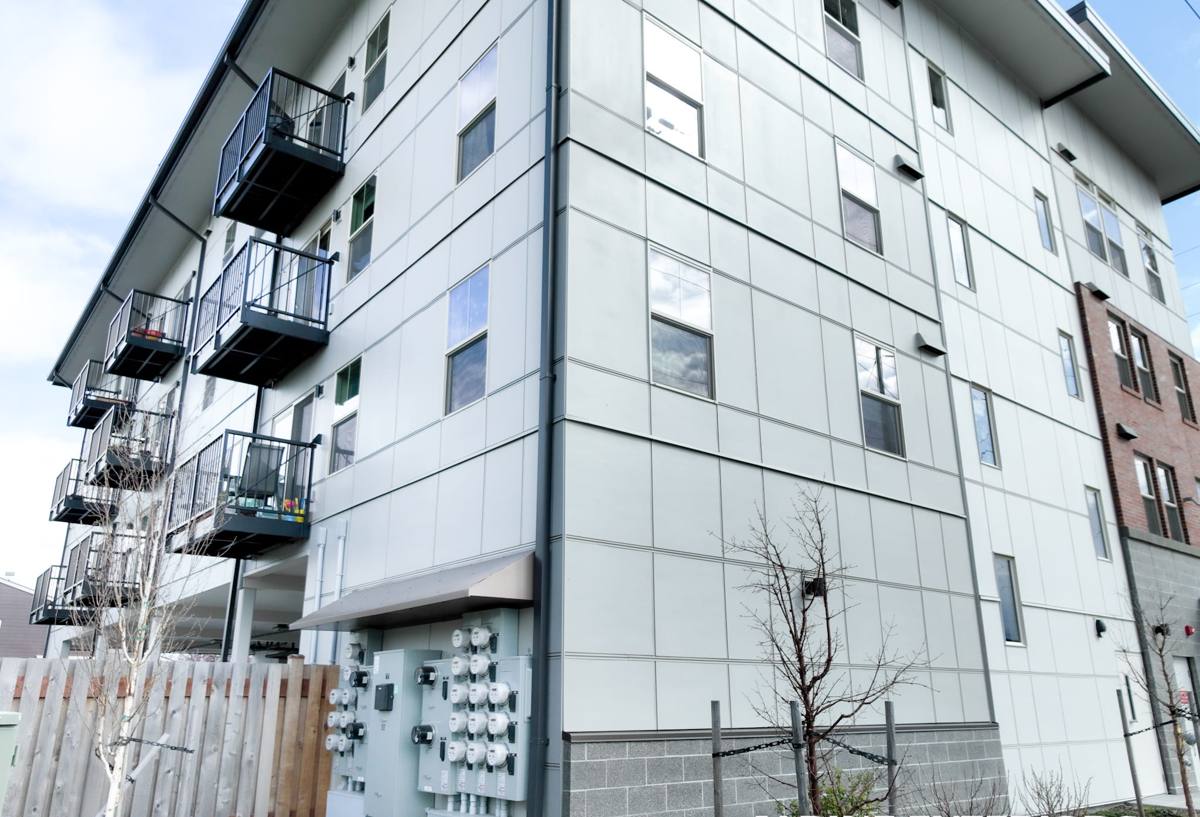
What "Custom" Really Means Here
Custom doesn't mean expensive or elaborate — it means the window is made to fit and perform for your specific opening, your specific exposure, and your specific structure. That matters more in an older Safety Harbor home than almost anywhere else, because original openings are rarely a standard modern size. A true custom approach includes:
Accurate Field Measurements
Older homes settle, framing shifts, and stucco or trim can throw off "on paper" dimensions. We measure every opening on site — width, height, and diagonal — because an opening that's a quarter-inch out of square changes how the window needs to be shimmed and sealed.
Matching the Right Product to the Wall
A block home, a wood-frame home, and a home with newer engineered framing all anchor windows differently. The fastening schedule, the flashing detail, and even the frame depth need to match what's actually behind the stucco or siding — not a one-size-fits-all install.
Style and Sightlines That Fit the House
Safety Harbor has a real mix of architectural character, from older Florida cottages to more contemporary builds near the water. Custom sizing lets us keep sightlines, muntin patterns, and proportions consistent with the house instead of forcing a stock size into an opening it wasn't made for.
The Climate Factors We Design Around
Every recommendation we make for a Safety Harbor home comes back to four things:
Wind Load
Pinellas County sits in Florida's wind-borne debris region under the Florida Building Code, which sets minimum performance and impact requirements for exterior openings in most new installations and many replacements. Whatever product goes into your home needs a wind load and impact rating appropriate to your specific site conditions, not just "hurricane-rated" as a vague label.
Wind-Driven Rain
It's not just about wind speed — it's about water intrusion during a storm when rain is being pushed horizontally against the wall. Poor flashing or a sloppy sealant job will leak long before the frame itself fails, which is why installation detail matters as much as the window itself.
UV Exposure
Central Florida sun degrades cheap seals, low-grade vinyl, and unprotected hardware faster than almost anywhere in the country. We specify glazing and frame finishes that are rated to hold up to sustained UV exposure, not just standard-climate products.
Salt Air
Being close to Old Tampa Bay means airborne salt is a real factor even a few blocks from the water. Hardware, fasteners, and frame finishes all need corrosion resistance appropriate to a coastal environment, or you'll see pitting and stiff operation within a few years.
Frame and Glass Options: How They Compare
There's no single "best" window for every Safety Harbor home — it depends on your budget, your exposure, and what the house needs. Here's how the common options actually compare in this climate:
| Option | Strengths in This Climate | Trade-Offs |
|---|---|---|
| Impact-rated laminated glass | Protects against wind-borne debris, blocks significant UV and noise, often removes the need for storm shutters | Higher upfront cost than standard glass |
| Non-impact with separate protection | Lower window cost | Requires shutters or panels installed before every storm; added labor and storage burden |
| Vinyl frames | Good insulation, no corrosion, lower maintenance | Can soften or discolor under years of intense UV if not a quality-grade product |
| Aluminum frames | Strong, slim sightlines, holds up structurally | Needs a marine-grade or coated finish near the bay to resist salt corrosion |
| Fiberglass frames | Very stable in heat, low expansion/contraction, strong UV resistance | Higher material cost |
Cost Factors Homeowners Should Actually Understand
Window pricing gets confusing fast because so many variables stack on top of each other. For a Safety Harbor home, the biggest cost drivers are usually:
- Impact rating vs. non-impact: impact-rated glass costs more per opening but often pays back through storm prep time saved and, in some cases, insurance considerations.
- Number and size of openings: larger openings and taller bay or picture windows require heavier glass and reinforced framing.
- Frame material: vinyl, aluminum, and fiberglass all sit at different price points, as shown above.
- Condition of the existing opening: if there's rot, deteriorated stucco, or out-of-square framing behind the old window, that repair work adds to the job — and skipping it is how leaks start again in a year or two.
- New construction vs. retrofit: retrofitting into an existing frame is usually less invasive than a full-frame replacement, but full-frame is sometimes the only correct option once the original frame has failed.
We'll always tell you honestly which category your job falls into rather than defaulting to the more expensive option — a straightforward retrofit doesn't need to be sold as a full-frame job, and a genuinely failed frame shouldn't be patched over just to save money now.
How We Approach a Safety Harbor Window Project
- On-site assessment: we inspect the existing openings, framing condition, and exposure (bay-facing vs. more sheltered) before recommending anything.
- Product selection: we walk through impact vs. non-impact, frame material, and style options based on your home, your budget, and how the opening faces the weather.
- Precise measurement and ordering: every window is measured and ordered to the actual opening, not a rounded-off standard size.
- Proper flashing and sealing: this is where most window failures actually start. We flash and seal to keep wind-driven rain out, not just to make the window look installed.
- Final inspection and operation check: every window is checked for square, level, and smooth operation before we consider the job done.
Permits and Code Compliance
Window replacement in Pinellas County generally requires a permit, and the product itself needs documentation showing it meets the wind load and impact requirements for your address. We handle this as part of the job rather than leaving it for the homeowner to sort out after the fact — it protects you at resale and, more importantly, it means the window was actually engineered for your site conditions instead of just "probably fine."
Why Local Installation Experience Matters
Window installation is one of those jobs where the visible result and the correct result can look identical for the first year or two. A window that's slightly out of square, under-shimmed, or sealed with the wrong product will often perform fine until the first real wind-driven rain event pushes water where it shouldn't go. A crew that regularly works homes in Safety Harbor and the surrounding Clearwater area has already seen how the local building stock, exposure, and code requirements interact — that's not something a generalized national install team picks up on a single job.
It also matters when something needs follow-up. A local crew is reachable for a warranty check or a seal adjustment without the runaround of a call center. That accountability is worth as much as the product specification itself.
Questions Worth Asking Before You Hire Anyone
- Will the products meet Florida Building Code wind load and impact requirements for this specific address?
- Is a permit included, and who is pulling it?
- What frame material and glass package are actually being quoted — get it in writing, not just "hurricane windows"?
- How is the opening being flashed and sealed, and what happens if there's rot or framing damage behind the old window?
- What's the warranty on both the product and the labor, and who do you call if there's a problem two years from now?
If a contractor can't answer these clearly before you sign anything, that's worth noticing.
Get a Straightforward Estimate
If you're weighing a full replacement, a few problem windows, or just want an honest read on whether your current windows are holding up the way they should, we're happy to take a look. The estimate is free, there's no pressure, and we'll tell you plainly what your home actually needs — use the form below to get started.